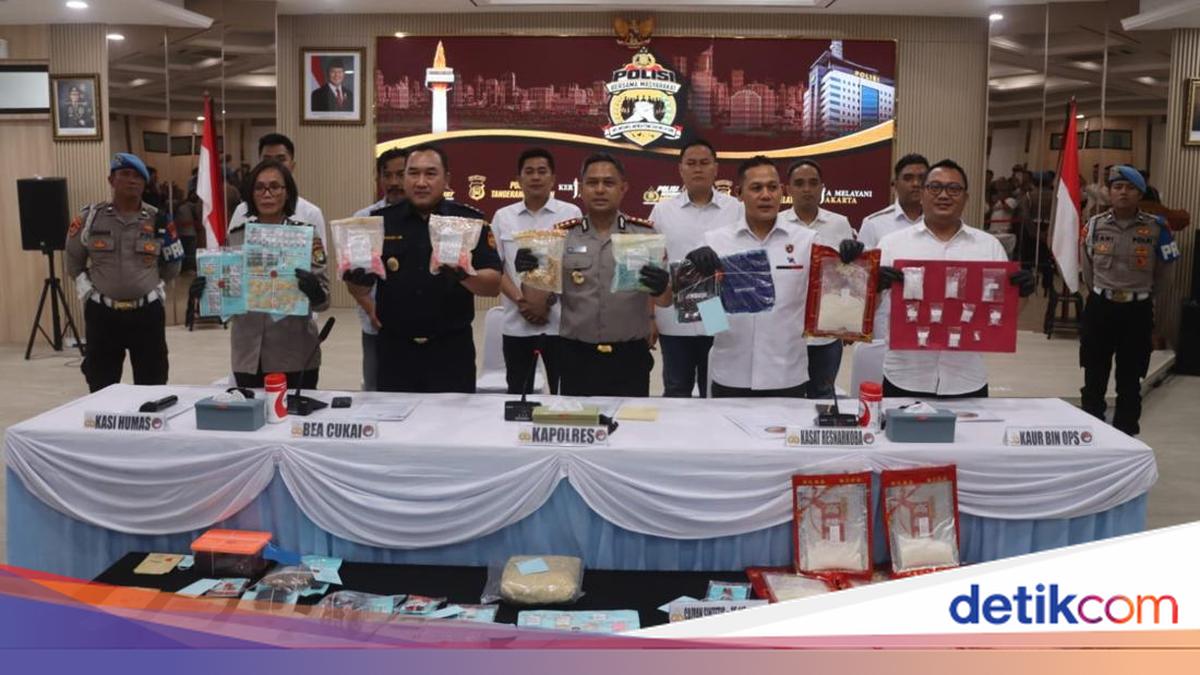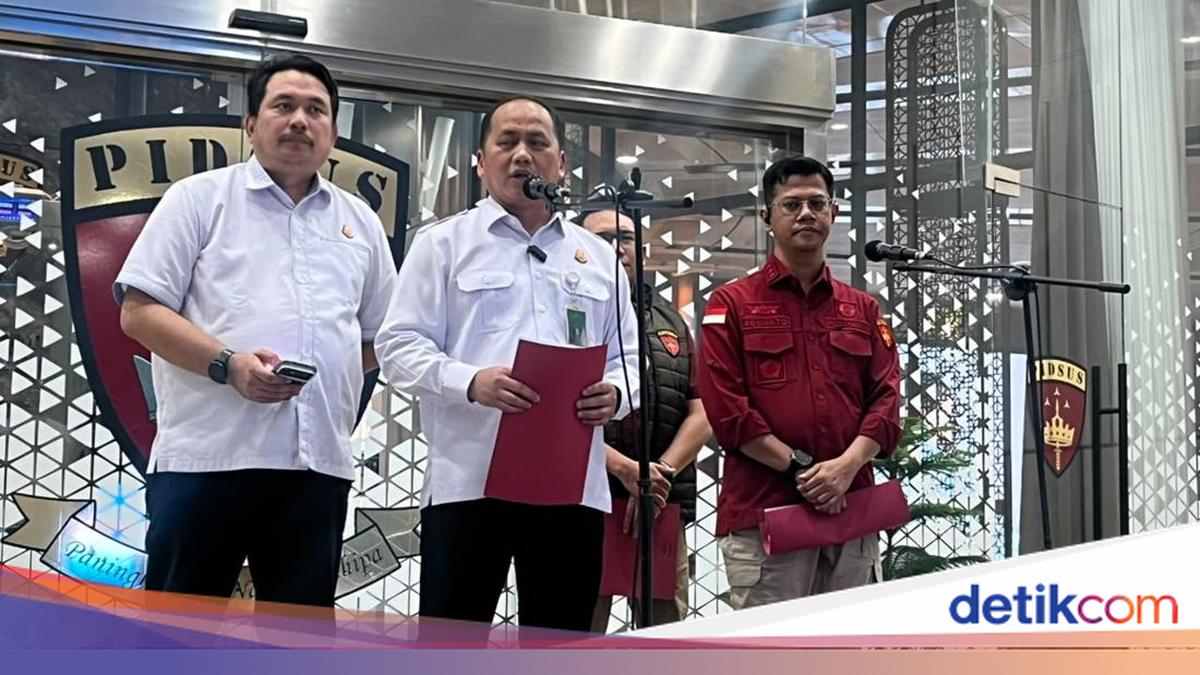
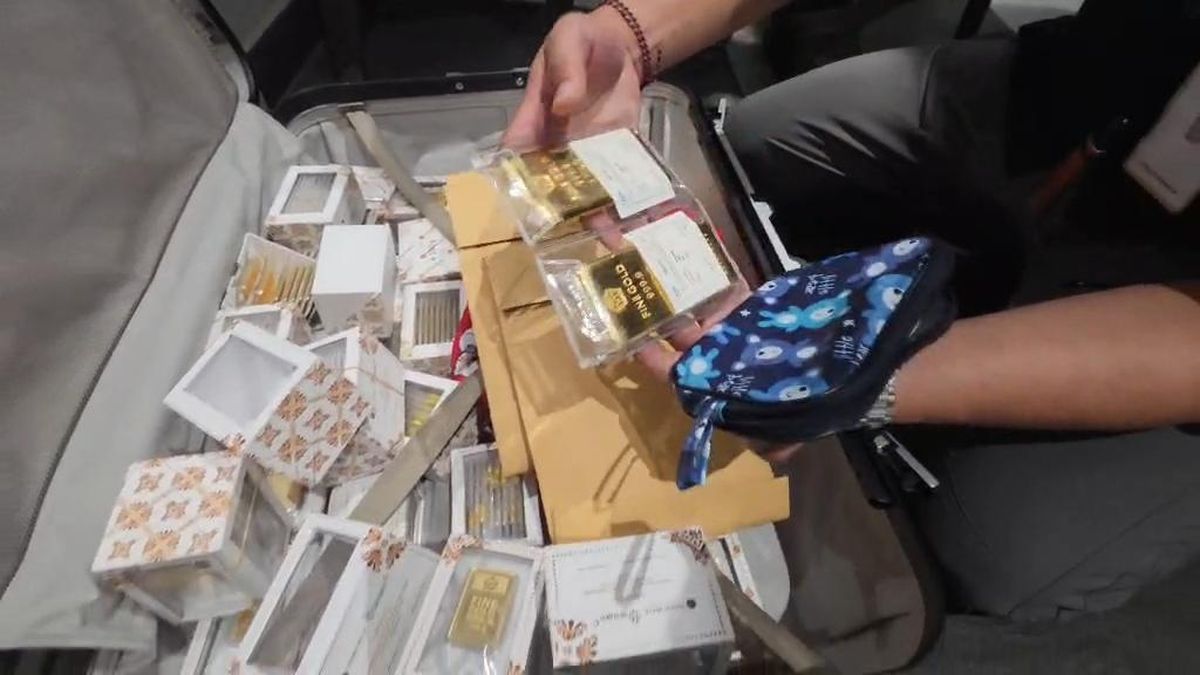
JAKARTAIndonesia's Attorney General's Office (AGO) on Wednesday (25/11/2026) named Arif Kurniawan (AK), the beneficial owner of PT Bumi Sentosa Jaya (BSJ), and the corporation PT BSJ Tbk as money-laundering suspects in the Southeast Sulawesi nickel governance case. Prosecutors seized Rp55.8 billion in cash, 37.8 kilograms of gold bars, two cars and thousands of documents. Neither suspect has been convicted and both are presumed innocent.
What is Arif Kurniawan accused of?
AGO spokesman Anang Supriatna said that between 2021 and 2026 Arif allegedly placed, transferred, diverted, spent and moved abroad assets suspected to derive from corruption in nickel mining governance in Southeast Sulawesi in 2013-2025. The acts occurred in Jakarta, Southeast Sulawesi and elsewhere to conceal or disguise the origin and ownership of the wealth.
The laundered money allegedly came from the unlawful issuance of PT BSJ's production mining permit (IUP) and from sales of nickel ore mined under it. CNN Indonesia reports that the IUP stems from North Konawe Regent Decree No. 485/2014 covering 1,030 hectares in Lasolo, made up of 244.98 hectares of other-use land and 797.02 hectares of protected and production forest.
What did the Attorney General's Office seize?
Anang itemised the seized assets as Rp55,824,713,000 in cash, S$855, US$126,200, about 69,000 pounds sterling, 98,000 yen, 37.8 kilograms of gold bars, a black metallic Lexus and a metallic grey 2016 Honda HR-V. Investigators also seized 4,000 documents and 71 items of electronic evidence approved by the district court.
The alleged method was channelling funds through trading intermediaries and affiliated companies under Arif's control, using other people as nominee managers and shareholders. Investigators have questioned 60 witnesses, requested state-loss and money-laundering experts, and blocked AHU corporate registry access and bank accounts affiliated with PT BSJ.

Why does the nickel mining case matter?
For Indonesian readers, the case highlights governance risks in the country's strategic nickel sector as well as state revenue losses and forest-zone encroachment. Detik notes that PT BSJ's permit expired in 2014 yet mining continued until 2025, as Anang detailed when PT BSJ was named a corporate corruption suspect on 10 November 2026.
Arif and PT BSJ are suspected of violating Article 607(1)(a) or (b) in conjunction with Article 20(a) or (c) of Law No. 1 of 2023 on the Criminal Code. The AGO says state financial losses arose at least from sales of illegally mined nickel, and investigators continue tracing asset flows including funds taken overseas.