
JAKARTAIndonesia's Food and Drug Authority (BPOM) has cleared Ladaku ground pepper as safe for consumption after accredited lab tests found no banned pesticide residues, addressing consumer anxiety sparked by a Taiwan border rejection. Alongside the clearance, an agricultural expert from Gadjah Mada University (UGM) warned households that grinding whole peppercorns at home does not eliminate pesticide risks.
Is grinding whole peppercorns at home safer from pesticides?
Dr. Najmu Tsaqib Akhda of UGM's Faculty of Agriculture told detikcom that whole peppercorns and packaged ground pepper originate from identical farm raw materials. He noted that nearly all agricultural commodities carry potential pesticide traces from cultivation, and grinding spices at home merely reduces particle size rather than removing chemical contaminants.
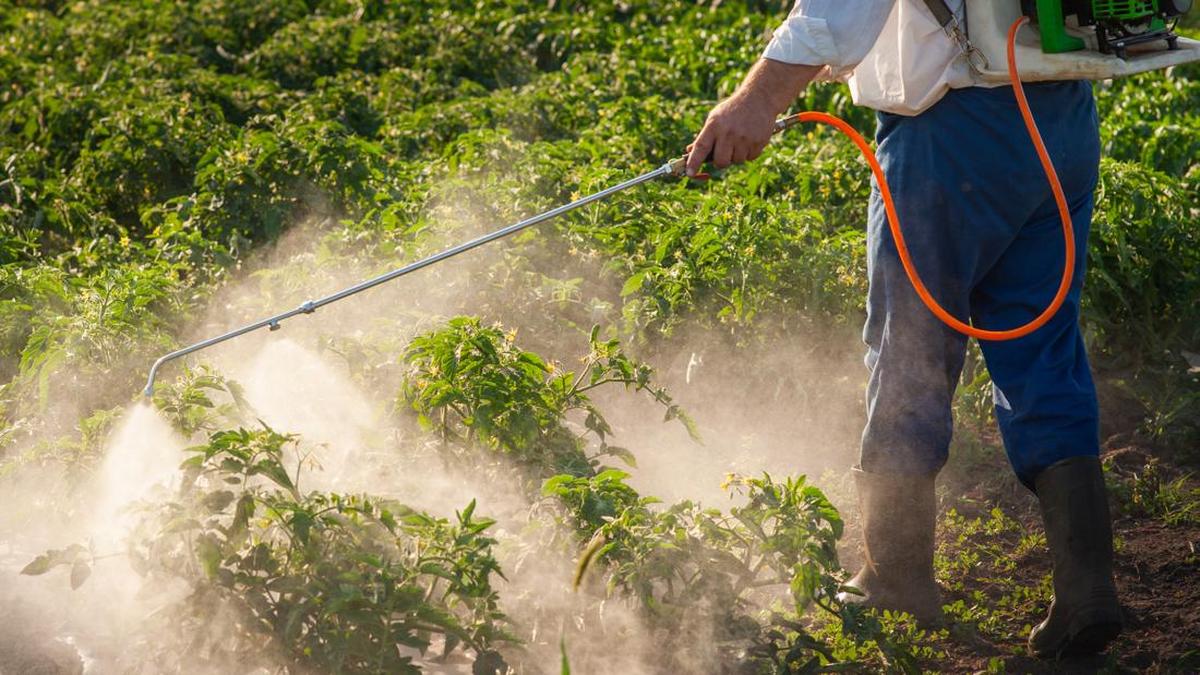
Beyond crop spraying on farms, Najmu pointed to post-harvest storage as another potential contamination stage. Dried spices are vulnerable to warehouse pests and may undergo fumigation; if holding periods before packaging are poorly managed, excess pesticide residues can linger—though he stressed he has not directly inspected Ladaku's warehousing practices.
What did BPOM's accredited laboratory tests actually find?
In Public Explanation No. HM.01.1.11.26.316 issued on Nov. 26, 2026, BPOM reported results from accredited laboratory testing on the Ladaku batch flagged by the Taiwan Food and Drug Administration (TFDA). The analysis detected zero residues of thiamethoxam or fipronil, confirming full compliance with domestic food safety requirements.
BPOM simultaneously tested rejected Indonesian green Robusta coffee beans and measured carbaryl at 0.0053 mg/kg, well below Taiwan's 0.02 mg/kg limit and Indonesia's 0.05 mg/kg ceiling under National Food Agency Regulation No. 15/2024 and FAO/WHO Codex standards.

Export Residue Rules and Consumer Safety Guidance
The episode highlights critical stakes for Indonesian kitchens and food exporters alike: differing maximum residue limits across importing jurisdictions can trigger export rejections even when products meet domestic safety thresholds. BPOM is coordinating with the National Food Agency, Agriculture Ministry, and Trade Ministry to strengthen traceability, while urging consumers to verify packaging, labels, permits, and expiry dates (CEK KLIK) and report issues via HALOBPOM 1500533.