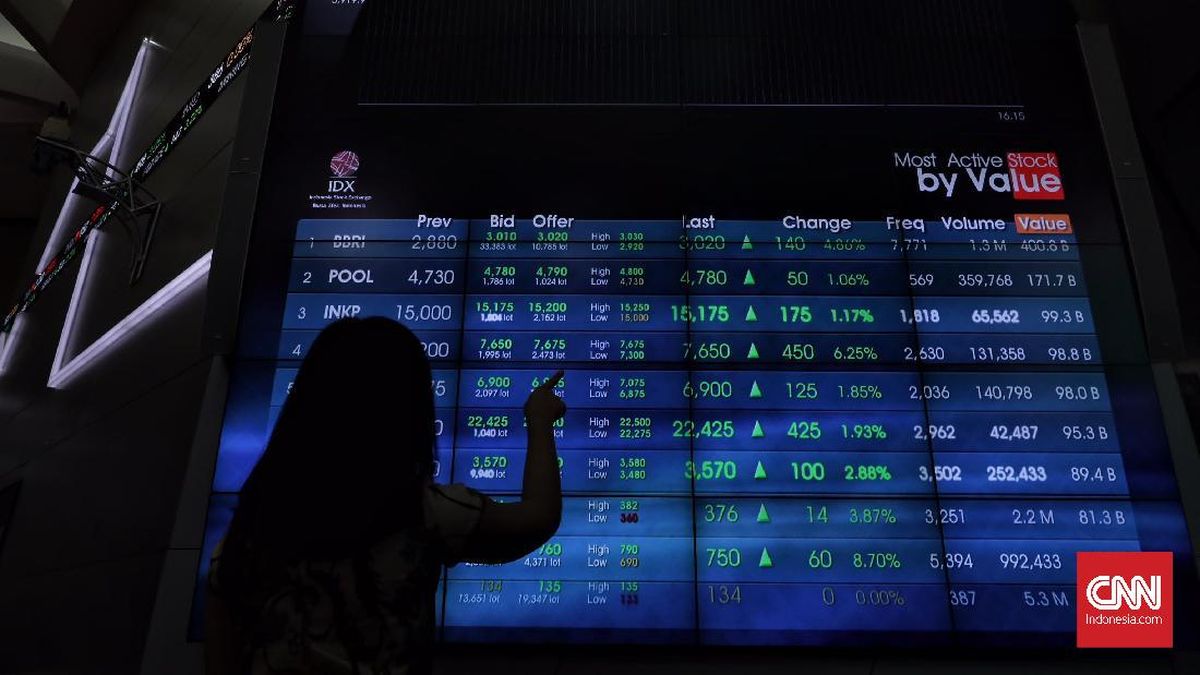
JAKARTAIndonesia's benchmark Jakarta Composite Index (IHSG) rose 96.28 points, or 1.84 percent, to close Friday's (27/11/2026) session at 5,338.4 after staying in positive territory all day. At the same time, the rupiah strengthened 34 points, or 0.19 percent, to settle at Rp18,330 per US dollar compared with Thursday's close. Data from RTI Infokom and RTI Business showed the index hit an intraday high of 5,340.3 on turnover of Rp8.10 trillion across 28.58 billion shares and 936,760 trades.
Which sectors led the IHSG rally higher?
All sectoral indices ended higher, led by basic materials with a 4.97 percent rally as 251 stocks advanced, 108 declined, and 97 finished flat. The advance lifted the index's weekly gain to 3.73 percent and its monthly rise to 5.56 percent, though it remains down 18.10 percent over three months and 12.41 percent over six months.
Regional and European equity gains reinforced domestic buying momentum heading into the weekend. China's Shanghai Composite jumped 3.73 percent, Japan's Nikkei 225 and Hong Kong's Hang Seng each climbed 2.11 percent, Singapore's Straits Times rose 0.43 percent, Germany's DAX gained 0.90 percent, and the UK's FTSE 100 added 0.67 percent, contrasting with a mixed Wall Street session where the Dow rose 0.33 percent while the S&P 500 and Nasdaq dipped.
Why did the rupiah rebound to Rp18,330 per dollar?
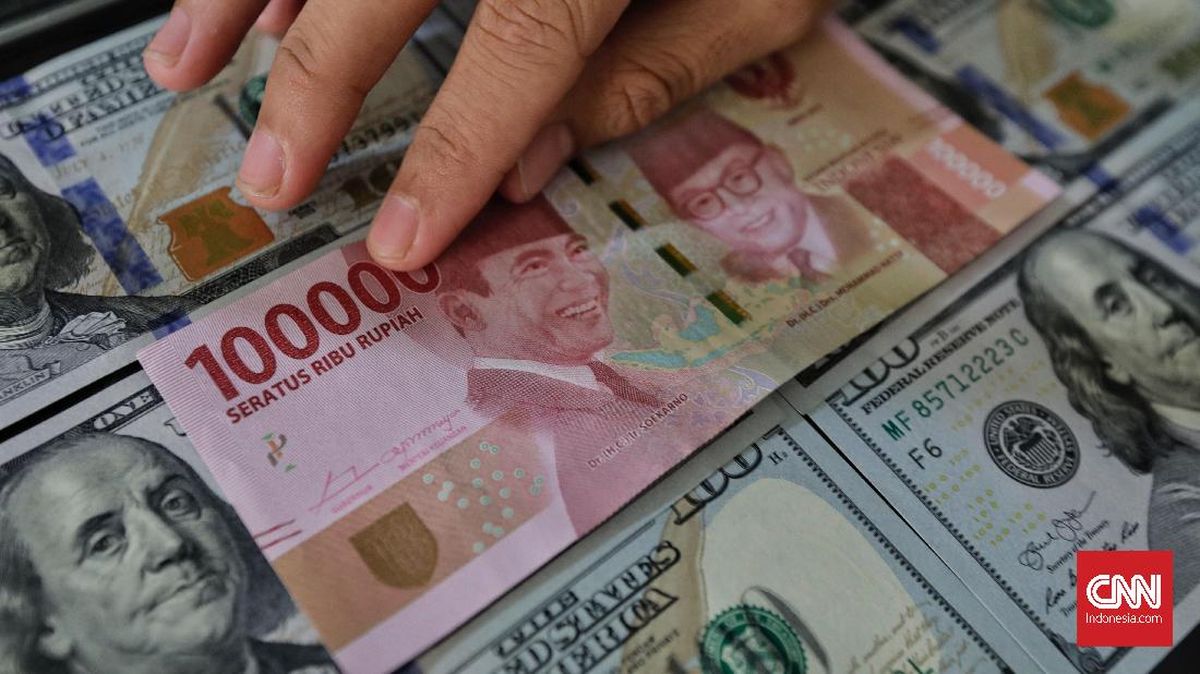
The rupiah rebounded to Rp18,330 per dollar as global risk appetite improved and foreign investors returned to Indonesian assets, according to DOO Financial Futures currency analyst Lukman Leong. A flat US dollar index during the Thanksgiving holiday also gave Asian currencies room to gain, with South Korea's won up 0.74 percent, the Chinese yuan and Hong Kong dollar each up 0.08 percent, and the Singapore dollar up 0.07 percent.
In contrast, Malaysia's ringgit slipped 0.15 percent and Japan's yen eased 0.09 percent against the dollar, while among major developed currencies the British pound added 0.12 percent and the Canadian dollar rose 0.04 percent as the euro dipped 0.04 percent and the Swiss franc fell 0.12 percent.

What does the market rebound mean for Indonesian investors?
For Indonesian households, retail investors, and importers, Friday's dual rebound offers welcome short-term relief after three months of heavy equity drawdowns and currency pressure near Rp18,400. Renewed foreign inflows help ease imported raw-material financing pressure and restore confidence in domestic corporate valuations.
Market participants will watch next week's opening sessions to see whether foreign capital inflows sustain momentum enough to keep the IHSG firmly above the 5,300 mark.