JAKARTAIndonesia's National Food Agency (Bapanas) has granted state logistics firm Perum Bulog an additional 100,000-ton allocation under the Food Supply and Price Stabilization (SPHP) rice program through December 2026. Announced on Sunday, November 22, the extra tranche aims to contain retail rice price spikes ahead of the Christmas and New Year holidays while lifting total 2026 SPHP distribution toward 1.35 million tons.
Where will the extra 100,000 tons of SPHP rice be prioritized?
Andriko Noto Susanto, Bapanas Deputy for Consumption Diversification and Food Safety, confirmed that national grain reserves remain robust, with Government Rice Reserves (CBP) managed by Bulog standing at roughly 4.5 million tons. He instructed Bulog to channel the extra 100,000 tons immediately into markets where medium-grade rice prices have climbed above the government's official retail ceiling (HET).
Across 2026, SPHP rice disbursements reached 221,050 tons during January–February and accelerated to 828,000 tons from March through September. Bulog then distributed another 200,000 tons between early October and the third week of November before Bapanas authorized the latest 100,000-ton extension so warehouse stocks actively stabilize market supplies rather than sitting idle.
What free rice aid complements the SPHP market intervention?
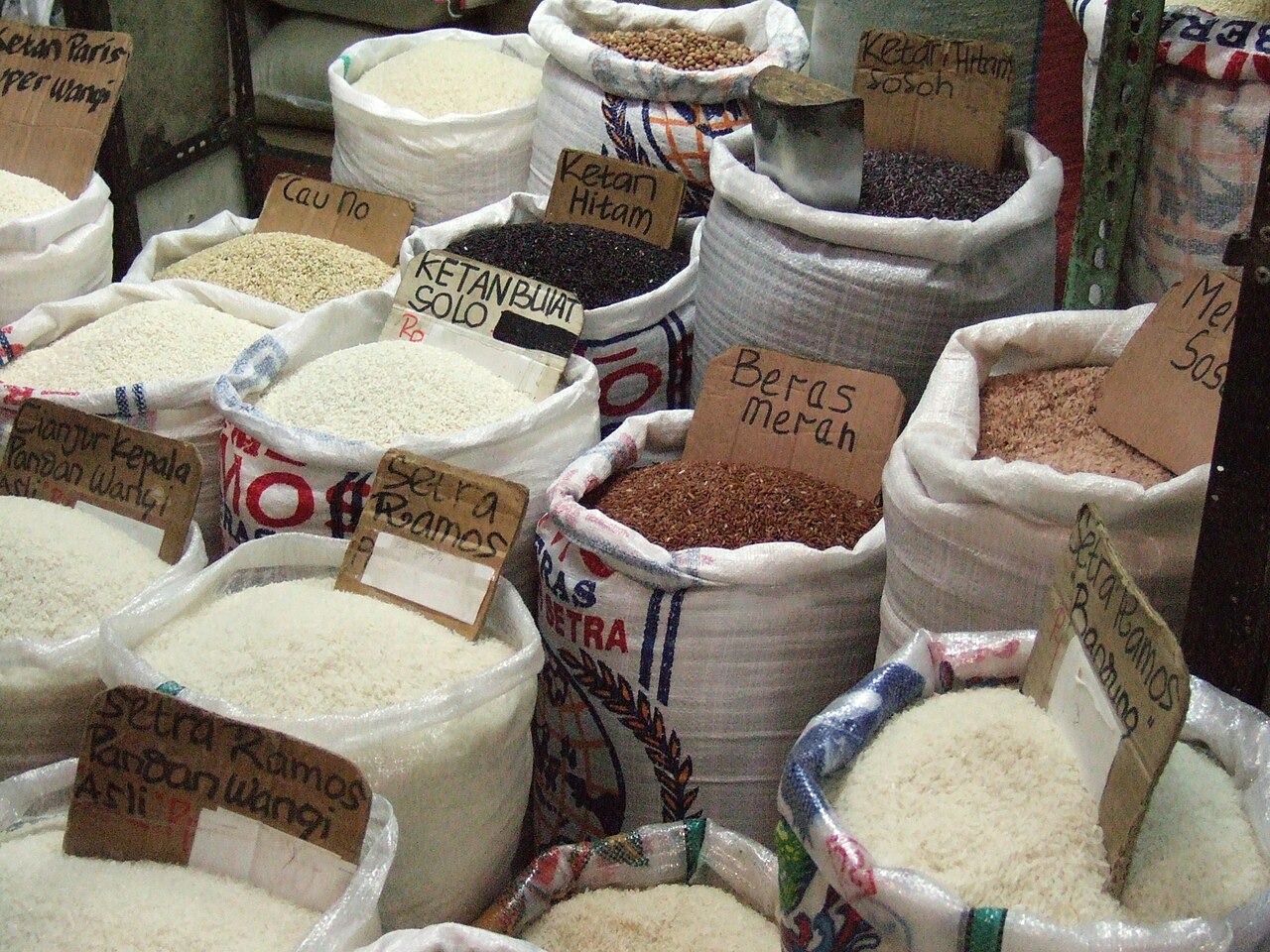
Central Java Bulog Regional Head Sri Muniati welcomed the fresh mandate after Bulog completed 100 percent of its prior 200,000-ton quota. Alongside SPHP market operations, Bapanas directed Bulog to expedite third-phase free rice food assistance for October, November, and December—following February–March and July–September cycles—delivering 10 kilograms per month to low-income households in deciles 1 through 4.
How has Indonesian rice inflation trended ahead of year-end?
Statistics Indonesia (BPS) figures show prior interventions helped prevent rice from driving volatile food inflation in October 2026. Monthly volatile food inflation eased to 0.77 percent from 1.46 percent in September, while monthly rice inflation cooled sharply to 0.08 percent after hitting a 2026 peak of 0.80 percent in September and 0.65 percent during Ramadan and Eid in March.

Why it matters for Indonesia: releasing 100,000 tons of affordable SPHP rice backed by 4.5 million tons of state reserves and 10-kilogram household aid shields low-income consumers from seasonal year-end price pressures. Targeting regions above the retail ceiling anchors household food costs and stabilizes staple inflation across the archipelago.