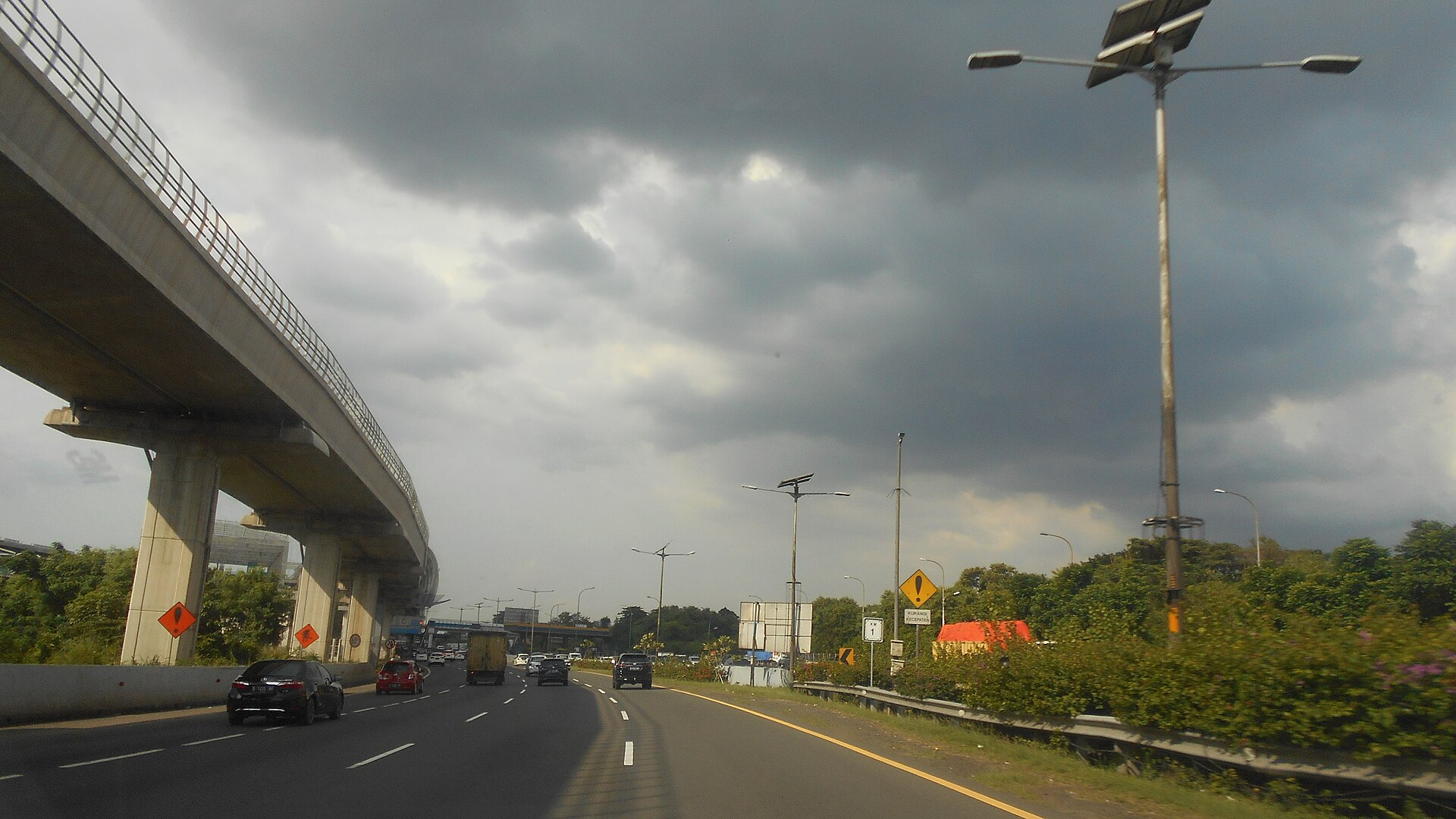
JAKARTAIndonesia's Ministry of Transportation (Kemenhub) will restrict heavy freight trucks with three or more axles throughout the Christmas 2026 and New Year 2027 holiday period from December 18, 2026 to January 5, 2027. Set to be formalized under an inter-agency Joint Decree (SKB), the 19-day rule eliminates the "window time" permits that previously allowed heavy trucks onto highways during scheduled hours.
Why Indonesia scrapped window-time truck permits for Nataru
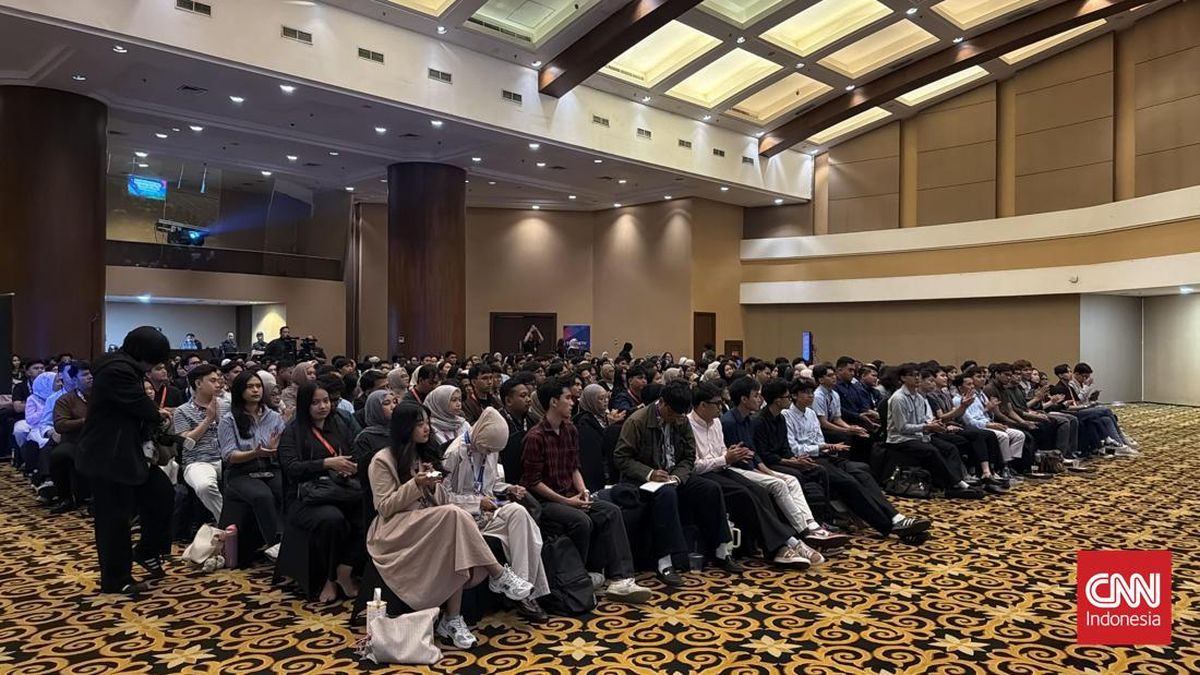
Transportation Minister Dudy Purwagandhi announced the policy shift at a media briefing at Wisma Mandiri University in Jakarta on Tuesday, November 24, 2026, citing traffic bottlenecks from prior holiday seasons. He explained that opening scheduled window hours left field officers struggling to regulate mixed freight traffic and ultimately created fresh congestion along major corridors.
The restriction covers three-axle and larger cargo trucks, vehicles hauling trailers or semi-trailers, and trucks transporting mining, quarrying, and construction materials including cement, steel, and timber. Essential supply chains—such as staple foods (sembako), fuel and gas, livestock and animal feed, fertilizer, and cash shipments—remain exempt, though operators are encouraged to switch to smaller two-axle vehicles.

Which ferry crossings face peak holiday pressure?
Beyond toll roads and national highways, authorities are closely monitoring the Ketapang–Gilimanuk ferry crossing between East Java and Bali. Vehicle arrivals at the eastern Java terminal are projected to climb after a new toll-road section extending to Besuki opened for functional holiday use.
Along the busy Merak–Bakauheni crossing linking Java and Sumatra, Kemenhub is deploying multi-port staging on both coasts, building on arrangements that kept previous holiday queues moving more smoothly. Maritime officials are also enforcing strict passenger capacity limits on sea ferries as year-end travel coincides with peak rainy-season weather.

What the ban means for travelers and supply chains
Companion safety and economic measures include mandatory fleet ramp checks, crew health screenings, toll-road and transit fare discounts, and free homecoming (mudik gratis) programs. For Indonesian holidaymakers and logistics operators, removing window-time loopholes is designed to keep passenger routes moving safely while requiring distributors to rebalance fleets so food and fuel deliveries stay uninterrupted.