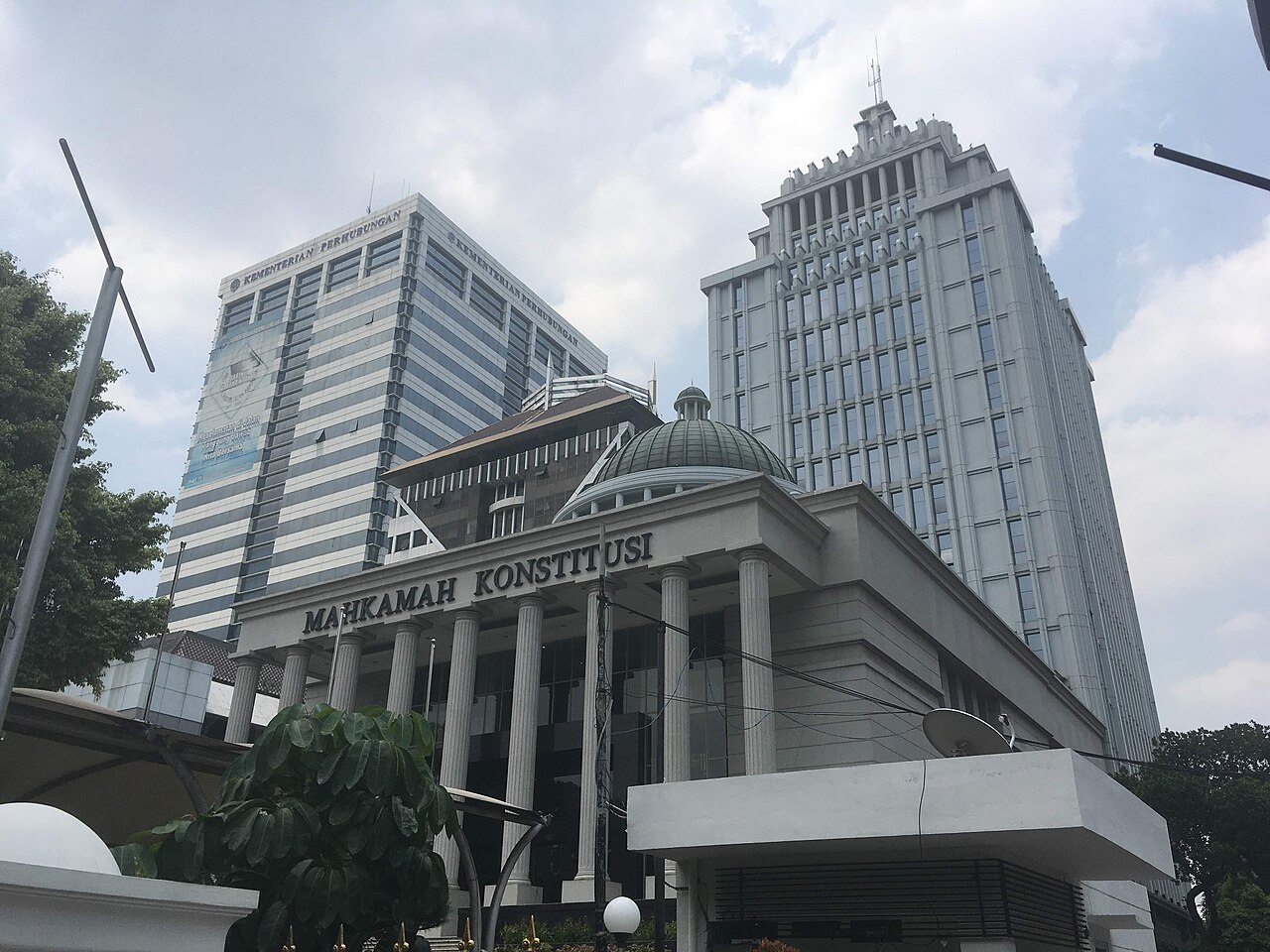
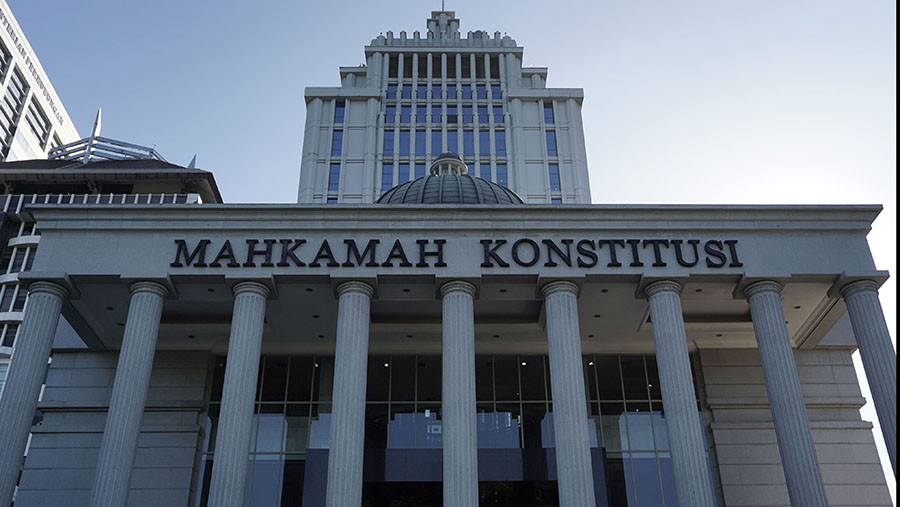
JAKARTAPetitioner Bernita Matondang narrowed her constitutional challenge over taxes on menstrual sanitary pads during a revision hearing at Indonesia's Constitutional Court (MK) in Case No. 406/PUU-XXIV/2026 on Monday, November 23, 2026. Appearing before a three-justice panel chaired by Enny Nurbaningsih alongside Ridwan Mansyur and Arsul Sani, she focused her judicial review strictly on the Elucidation to Article 16B paragraph (1a) letter j point 1 of Law No. 7 of 2021 on Harmonization of Tax Regulations (UU HPP).
Why are sanitary pads excluded from Indonesia's VAT exemptions?
Sanitary pads remain excluded from value-added tax relief because the statutory elucidation restricts VAT-exempt basic necessities to eleven specific food commodities. Those enumerated items cover rice, unhusked rice, corn, sago, soybeans, salt, meat, eggs, milk, fruits, and vegetables, leaving menstrual hygiene supplies taxed. Matondang argued that the omission exposes the absence of objective, rational, and proportional standards when lawmakers decide which essential goods qualify for tax exemptions.
Across her November 10 preliminary hearing and November 23 revision session, following an initial petition filed in early November, Matondang stressed that menstruation is an unavoidable biological cycle rather than discretionary spending. She pointed to a roughly Rp2,000 per-pack cost burden borne routinely from personal income to protect hygiene, health, and daily dignity. On those grounds, her filing alleges a breach of fair legal certainty under Article 28D paragraph (1) of the 1945 Constitution alongside unequal fiscal impact and substantive inequality for women.
What legal remedy is the petitioner seeking from the court?
In her amended petition, Matondang urged the court to declare the elucidation conditionally unconstitutional unless interpreted as non-exhaustive beyond letters a through k so it covers menstrual sanitation and biological essentials. She clarified that her lawsuit does not dispute existing VAT breaks for staple foods and does not ask judges to dictate overall fiscal policy. Instead, the filing tests whether statutory criteria governing tax-exempt basic goods meet constitutional standards of fairness and rationality.

Narrowing the review target from the main statutory clause to its official elucidation sharpens the legal question before the panel over how Indonesia defines public necessities in tax law. The three-judge bench received the amended arguments as the basis for further constitutional examination.
What a VAT ruling on sanitary products means in Indonesia
The challenge carries direct stakes for Indonesian households because sanitary pads represent recurring, non-substitutable monthly expenses tied to women's health and workforce participation. A ruling mandating objective biological criteria in VAT exemptions could reshape how Jakarta evaluates essential non-food goods and ease recurring consumption tax pressures on millions of female consumers nationwide.