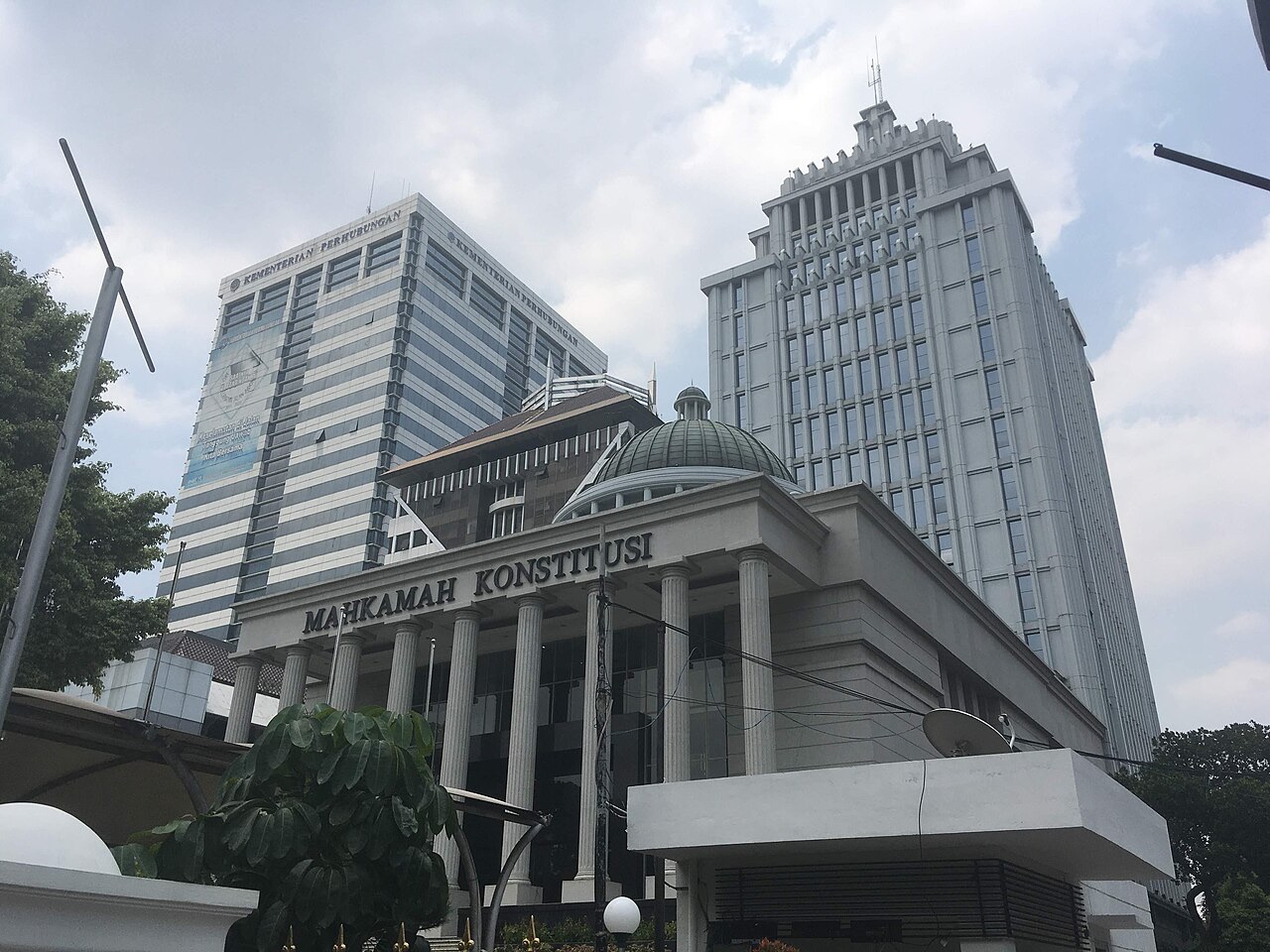
JAKARTAIndonesia's Constitutional Court ordered the government and parliament on Monday to revise Law No. 5 of 2026 governing the National Police within one year after ruling its legislative passage formally defective. Reading the verdict on petition 251/PUU-XXIV/2026 in Jakarta on November 23, the bench partially granted the petitioner's procedural challenge against the third amendment to Indonesia's policing statute.
Chief Justice Suhartoyo stated that Law No. 5 of 2026 retains conditional legal force throughout the twelve-month remediation window so law enforcement operations do not stall abruptly. If lawmakers miss the one-year deadline, the contested statute becomes permanently unconstitutional and repealed articles from the original 2002 Police Law automatically take effect again.

Why Did the Court Rule Indonesia's Police Law Procedurally Flawed?
The court found the statute formally flawed because lawmakers bypassed mandatory legislative harmonization and restricted meaningful public input during deliberations. Justice Enny Nurbaningsih noted that the 2024-2029 House of Representatives carried over the draft bill from its predecessors as a parliamentary initiative without review by the Legislation Body, breaching statutory drafting rules and House procedures.
Justices also faulted parliament for failing to publish core legislative records while fast-tracking the bill. Justice Ridwan Mansyur observed that lawmakers did not provide accessible copies of academic papers, committee minutes, or updated draft texts to citizens, undermining constitutional openness and meaningful participation mandated under Article 22A of the 1945 Constitution.

Did All Justices Agree on the One-Year Revision Deadline?
The one-year compliance clock prompted a separate concurring view from one member of the bench over how long parliament should receive to fix procedural defects. Justice Arsul Sani agreed that skipping bill harmonization invalidated the drafting sequence, yet argued lawmakers should have received up to two years in line with prior Constitutional Court remedies.
The conditional ruling creates an immediate governance test for Indonesia's legislative transparency and long-term policing oversight ahead of the November 2027 cutoff. Cabinet ministries and parliamentary committees must now release full drafting records and reopen public hearings, or risk a sudden legal reversion to twenty-four-year-old policing rules.