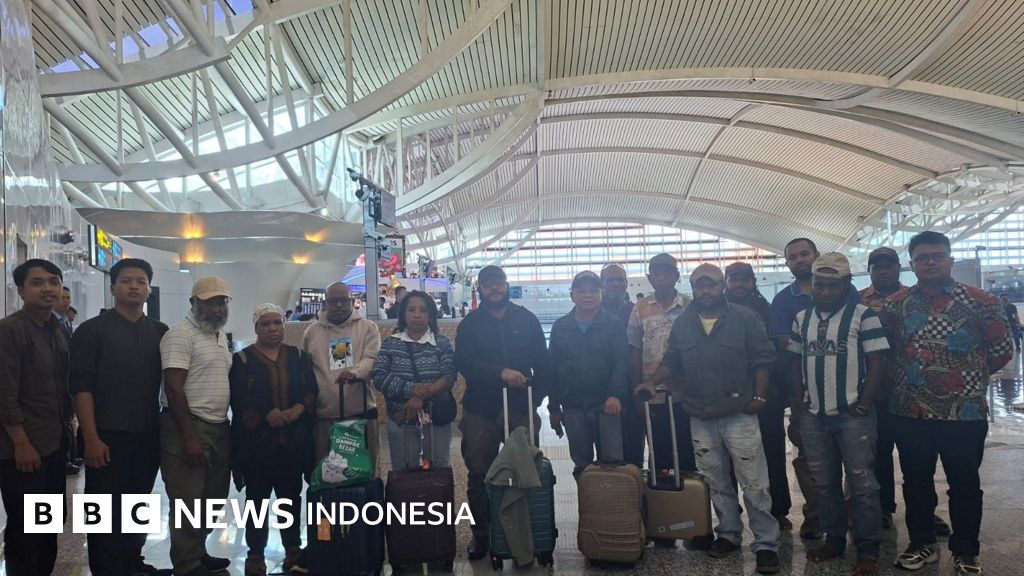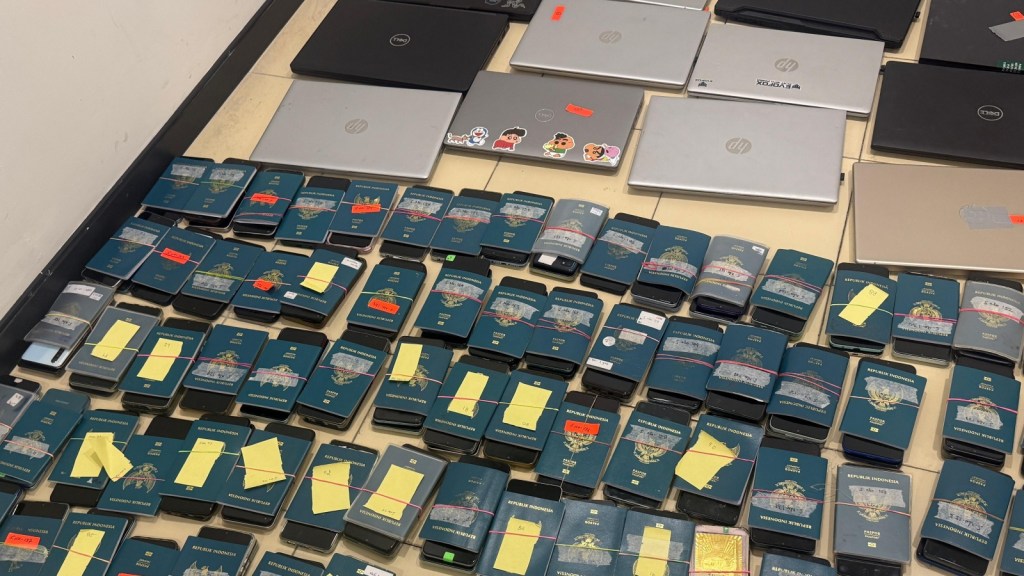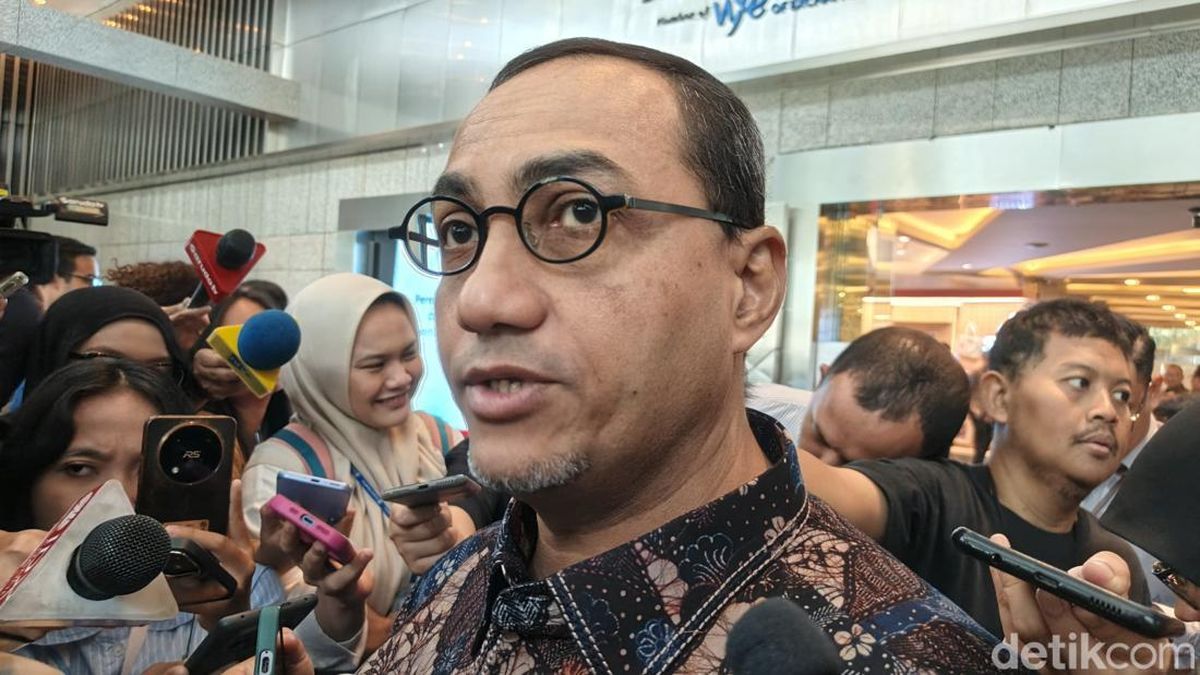
JAKARTAIndonesia's Directorate General of Immigration has barred 39 citizens from departing for Russia after uncovering solid evidence that they were targeted by a human trafficking network recruiting foreign mercenaries. Director General Hendarsam Marantoko announced the interception in Jakarta on Saturday (28/11/2026), stating that joint verification with the National Police confirmed the travelers were victims of a trafficking scheme.
How did traffickers lure Indonesian jobseekers to Russia?
Recruiters initially lured jobseekers through online employment groups with promises of office-boy or logistics posts in Moscow paying tens of millions of rupiah per month. Investigators established that those civilian job offers never materialized upon arrival, with local handlers instead funneling recruits into military training and frontline combat exposure.
To stop the individuals from attempting alternative departure routes, immigration authorities are placing all 39 citizens on a subject-of-interest watchlist while police pursue the syndicates behind the operation. Several suspected domestic recruiters have already been detained by police investigators handling multiple parallel trafficking cases.
Which Indonesian regions were flagged for illegal recruitment?
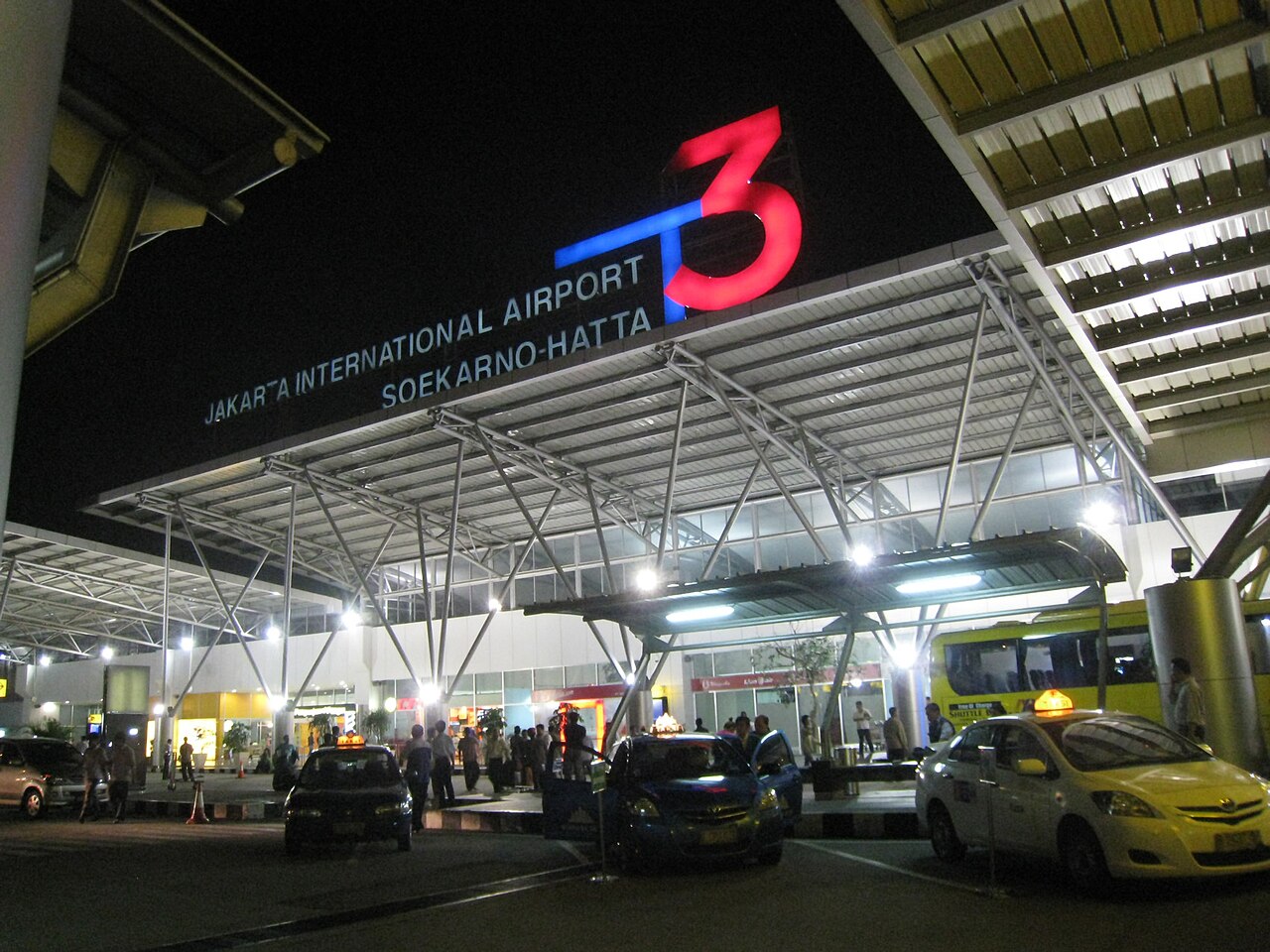
The broader network came to light after immigration cyber-patrol teams detected illicit recruitment activity spanning five Indonesian regions: Medan, Malang, Banyumas, Bali, and Kebumen. Those findings aligned with separate investigative leads released by West Jakarta Metro Police regarding organized transfers of Indonesians to Russia.
The urgency of border screening was underscored by the case of a 38-year-old man from Kebumen, Central Java, identified by initials HS, who reportedly died in Russia after accepting a fraudulent Moscow office job. Purworejo Immigration Office head Irwan Oktora Putra said family testimony showed HS was routed into military training by a broker soon after landing.

Community Screening and Risks for Indonesian Jobseekers
For Indonesian households and migrant jobseekers, the interception highlights the lethal risks behind unverified overseas recruitment ads circulating on social media, particularly those offering unusually high wages in active conflict zones. Tight local job markets have left rural communities vulnerable to brokers operating outside official labor-placement channels.
In response, the immigration directorate is deploying village-level immigration outreach officers across high-risk migrant-sending areas alongside short-form digital awareness videos. Officials aim to disrupt deceptive hiring pitches in home communities before prospective workers ever reach international departure terminals.