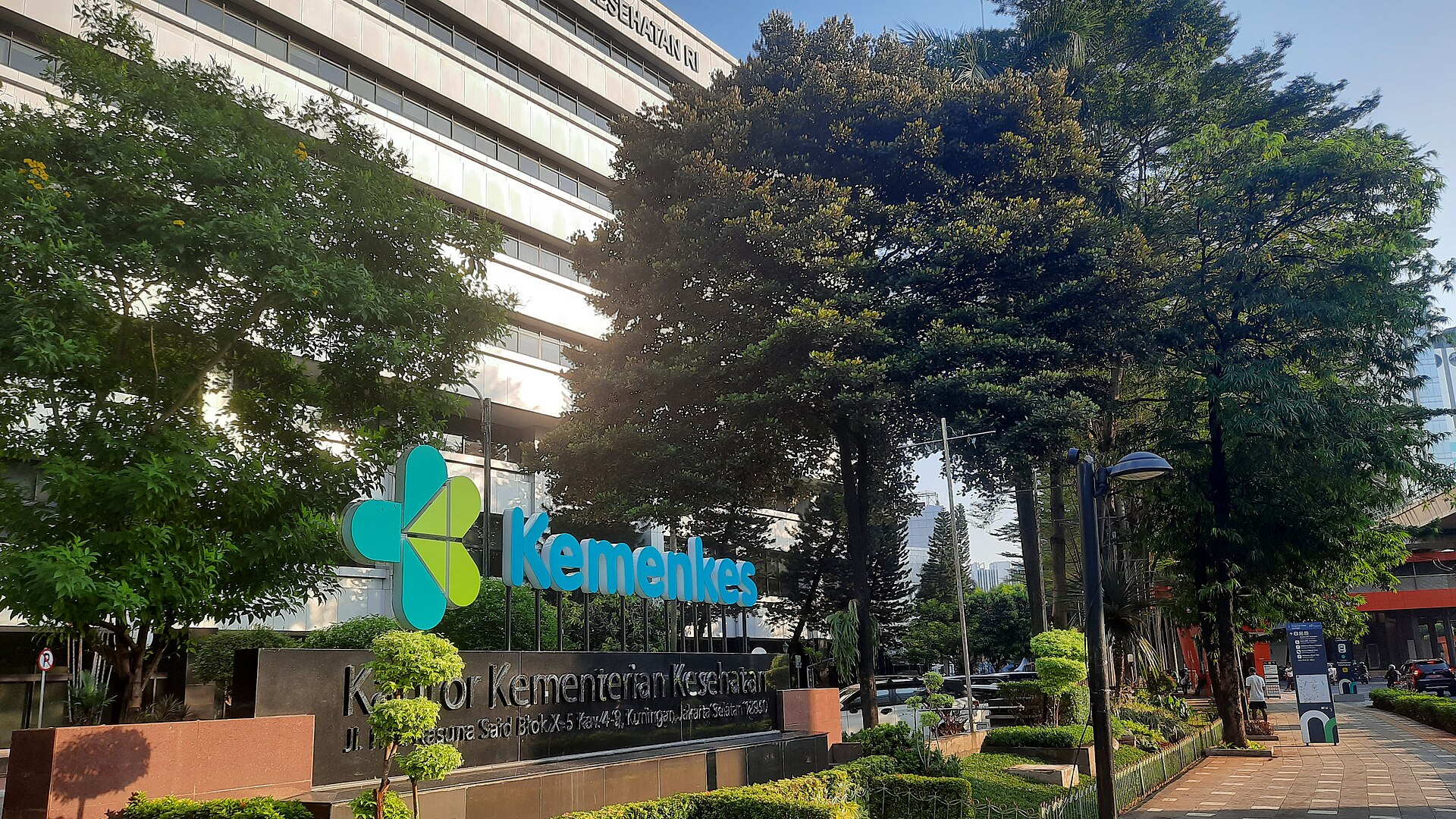
JAKARTAIndonesia's Ministry of Health (Kemenkes) reported that 4,404,258 residents—16.9 percent of the 25 million citizens aged 45 and older screened under the Free Health Check (CKG) program through Q3 2026—carry lung cancer risk factors. Officials released the findings during the 'Healthy Lung, Healthy Life, Healthy Love' Lung Cancer Awareness Month event in Jakarta on Tuesday (24/11/2026).
How do the 4.4 million lung cancer risk figures break down?
Kemenkes Director of Non-Communicable Diseases Siti Nadia Tarmizi broke down the findings into 3,333,927 mild-risk, 1,020,324 moderate-risk, and 50,007 high-risk individuals. She noted the 16.9 percent detection rate exceeds hospital case reports because many at-risk adults feel healthy and skip routine clinical checkups.
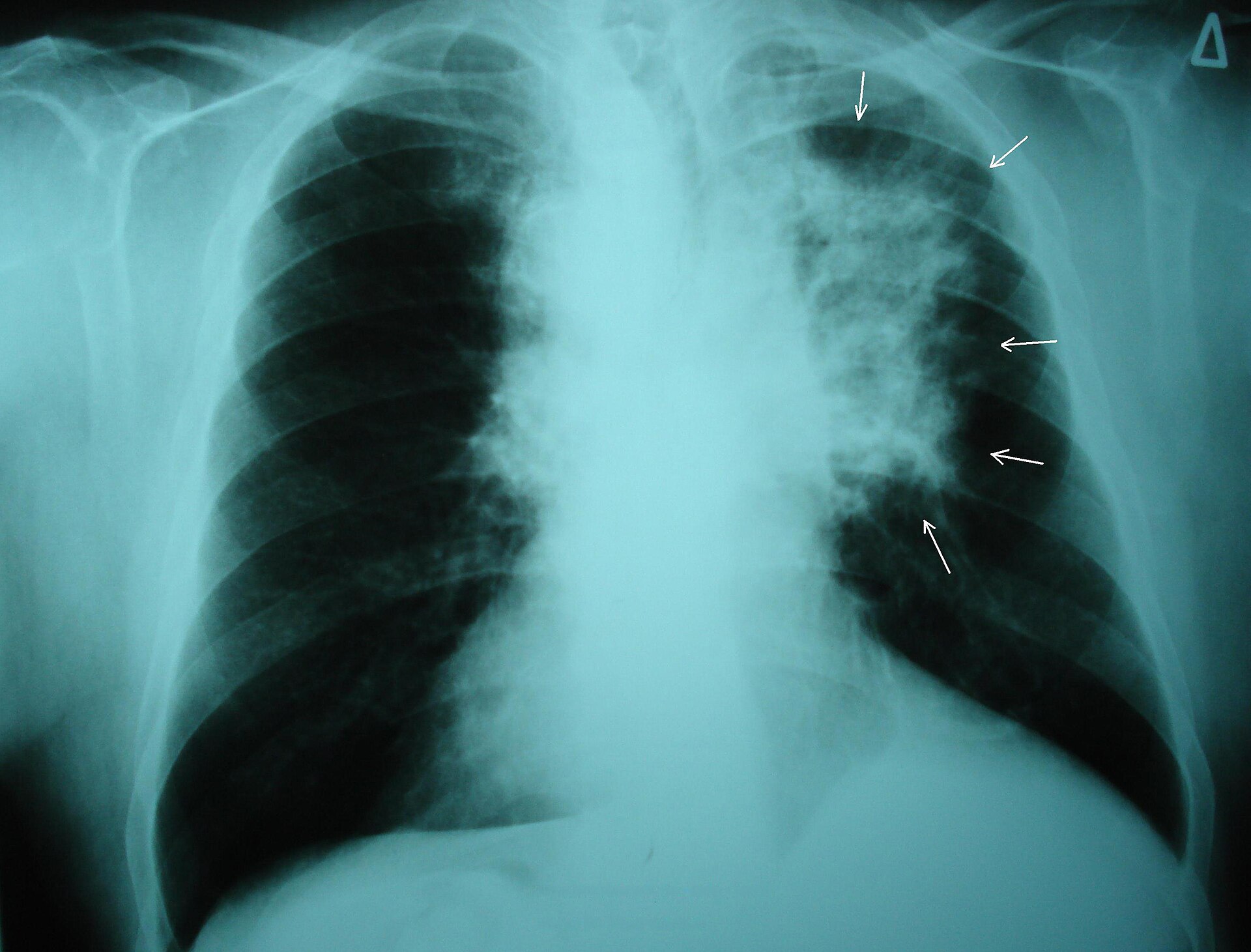
Nadia flagged rising uptake of both conventional cigarettes and flavored e-cigarettes, or vapes, among youth under age 15. She warned that cigarette manufacturers target young consumers with flavor variants and that long-term smoking habits exceeding 15 years significantly elevate chronic respiratory and lung cancer risks later in adulthood.
Why are Indonesian lung cancer patients diagnosed younger?
Pulmonologist dr Andika Chandra Putra of FKUI–Persahabatan Hospital warned that Indonesian lung cancer patients present younger, averaging 58 years old compared with the global average of 65. He cautioned that Indonesia could face a 'lung cancer tsunami' within years without stronger smoking prevention.

Incidence rates rise sharply with age, climbing from 0.1 per 100,000 residents under 15 and 1 per 100,000 among ages 15–39 to 36.4 per 100,000 in the 40–64 bracket. Rates surge further to 227.7 per 100,000 for ages 65–74 and 337.2 among those 75 and older.
Why free CKG early screening matters for Indonesian adults
Acting Director General of Disease Control Andi Saguni said lung cancer causes more than 2.5 million new cases and about 1.9 million deaths globally each year. In Indonesia, it ranks third in overall cancer incidence and first in both incidence and mortality among men, largely due to late-stage diagnoses.
For Indonesian families, expanding free CKG screening at community health centers (puskesmas) offers an accessible way to catch lung risk before symptoms emerge. Earlier intervention improves survival odds while curbing costly late-stage treatment burdens on households and national health insurance.