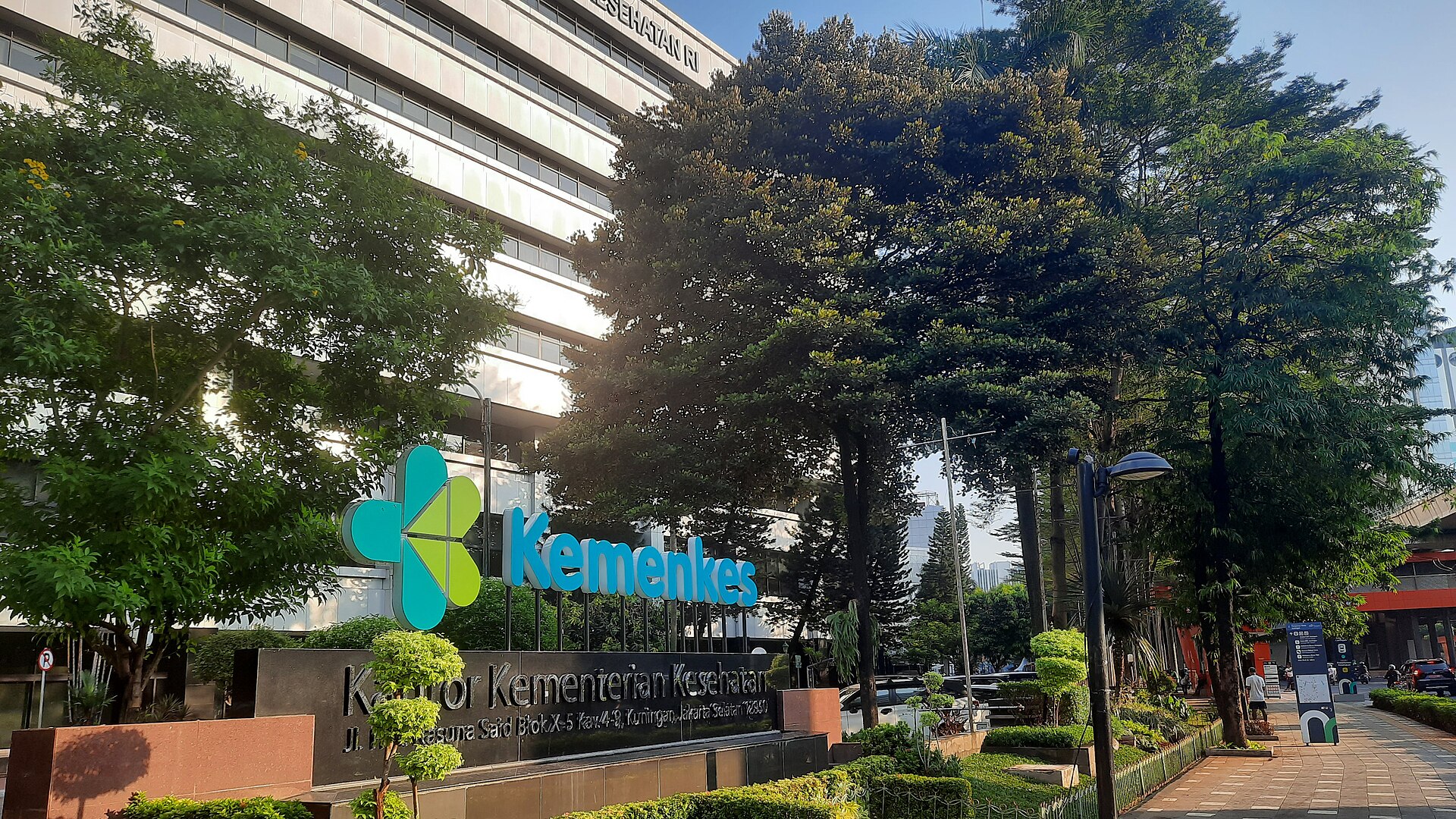
JAKARTAIndonesia has formally become a participating state of the International Agency for Research on Cancer (IARC), the specialized cancer research arm of the World Health Organization (WHO). Speaking in Jakarta on Sunday, November 22, 2026, Health Minister Budi Gunadi Sadikin urged domestic scientists to leverage the membership to raise national oncology research quality, boost competitiveness, and contribute to global medical science.
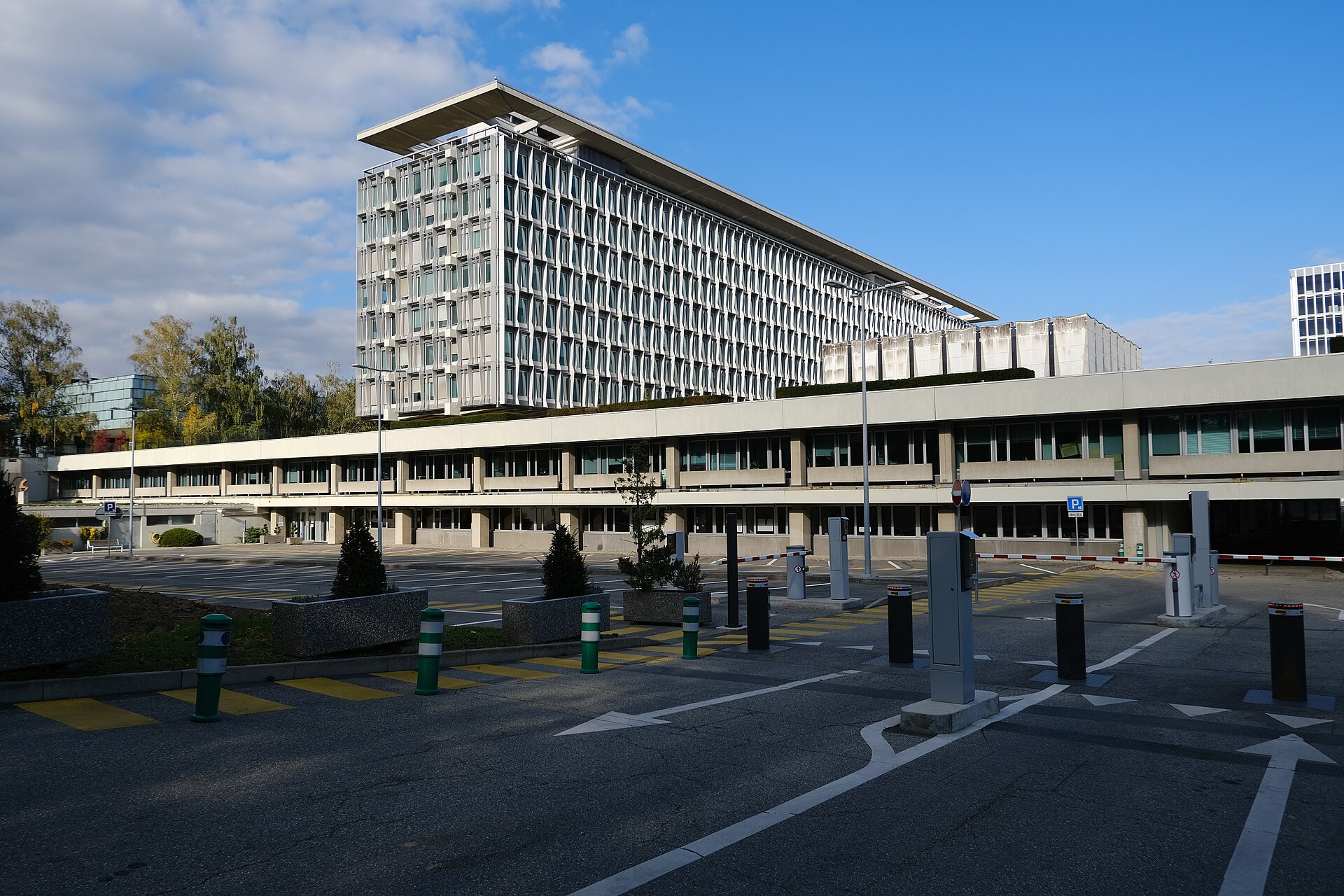
IARC originally announced Indonesia's admission as a participating state on September 24, 2026, before the milestone was marked symbolically on Monday, November 16, with a flag-raising ceremony at IARC headquarters in Lyon, France. During the ceremony, Indonesia's red-and-white Merah Putih banner was hoisted alongside the flags of 30 existing member nations inside the UN cancer consortium.
How did Kemenkes and Dharmais Hospital secure IARC entry?
The Ministry of Health and Jakarta's Dharmais National Cancer Hospital spearheaded Indonesia's entry through sustained scientific outreach and institutional groundwork with IARC officials from the outset. Minister Budi credited that joint effort between ministry policymakers and Dharmais specialists for strengthening an evidence-based national research ecosystem capable of guiding health policy.
Dr. Bambang Widianto, special adviser for governance and bureaucratic reform at the Ministry of Health, described the membership as a strategic opening to raise both the quality and international competitiveness of Indonesian cancer science. He highlighted expanded opportunities in joint cross-border studies, scientific knowledge exchange, researcher capacity building, and shared access to cancer registries and research technologies.
What benefits does IARC membership bring to Indonesian patients?
Membership in IARC is expected to strengthen Indonesia's entire cancer-care continuum—spanning primary prevention, early screening, accurate diagnosis, clinical treatment, and long-term patient support—through evidence-based public health planning. Bambang stressed that domestic institutions must maximize these international ties so laboratory and epidemiological work translates into measurable benefits for patients across every stage of care.
Why it matters for Indonesia: joining 30 peer nations inside WHO's flagship cancer agency accelerates Indonesia's access to global oncology benchmarks, collaborative clinical data, and specialist training. Deeper ties linking Dharmais Cancer Hospital and Indonesian researchers to Lyon should help expand earlier detection and raise treatment standards across the archipelago.