JAKARTAIndonesian policymakers are sounding the alarm over a shrinking middle class that threatens the nation's push to escape the middle-income trap. Speaking at Jateng Fest 2026 in Semarang on Saturday (28/11/2026), Home Affairs Ministry Director General of Regional Autonomy Cheka Virgowansyah reported that the middle-class share fell steadily after the pandemic from 21.45 percent to 19 percent, then 18 percent, and 17.44 percent in 2023.
How sharply has Indonesia's middle class shrunk ahead of 2029?
While the upper-income segment rose from 0.38 percent to 1.07 percent in 2024, Cheka warned that downward mobility into lower brackets poses a severe macroeconomic risk. He stressed Indonesia effectively has two critical years toward 2029 to break out of the middle-income trap before an aging population erodes its demographic dividend and slows growth.
Senior economist Raden Pardede of CReco Research Institute echoed the concern, noting that 5.47 percent year-on-year GDP growth in Q3 2026 masks fragile household finances. Defining middle-class families at Rp11 million to Rp30 million in monthly income, Raden cited figures showing 143 million Indonesians now sit in the "aspiring middle class"—ineligible for direct welfare yet vulnerable to shocks.
What KPR, vehicle, and electricity subsidies did Misbakhun propose?
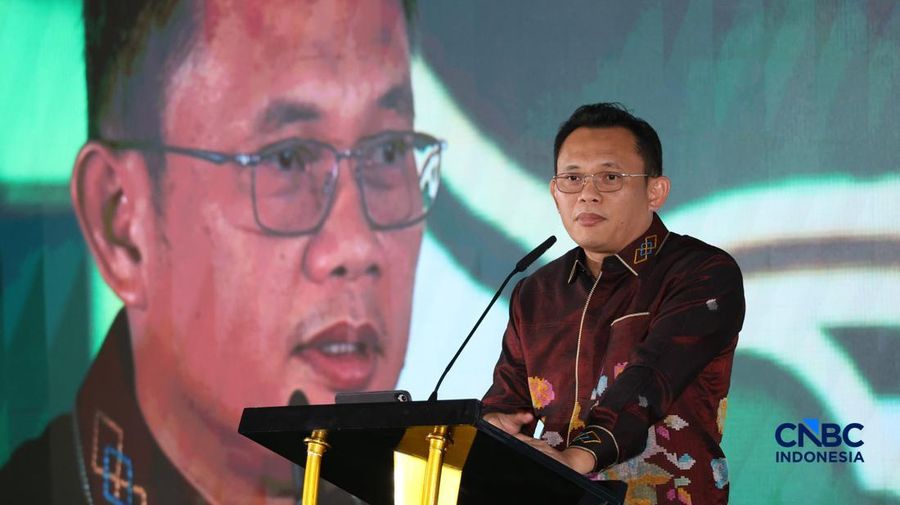
To shield decile 5 and 6 households, House of Representatives Commission XI Chair Mukhamad Misbakhun proposed targeted government incentives following Bank Indonesia's 2026 Annual Meeting in Jakarta. He argued that existing social assistance focuses heavily on the lowest four deciles, leaving middle-tier earners reliant only on indirect fuel and public transport subsidies.
Misbakhun suggested financing relief such as subsidized interest on housing mortgages (KPR) and motor-vehicle installment incentives. He also floated expanding residential electricity subsidies—currently capped at 450 VA and 900 VA connections—to include households using 2,200 VA to 2,300 VA capacity.

Why Protecting Deciles 5–6 Matters for Indonesia's Growth
Strengthening deciles 5 and 6 carries major stakes for Indonesia's economy because domestic household consumption remains the primary engine of growth. Without targeted relief, eroded purchasing power could dampen housing and automotive credit demand and jeopardize Indonesia's long-term goal of becoming the world's fourth-largest economy by 2040.
Misbakhun clarified that the middle-class incentive proposal has not yet been formally tabled with the finance ministry. Commission XI awaits an official working-meeting schedule to explore viable fiscal designs with the government.