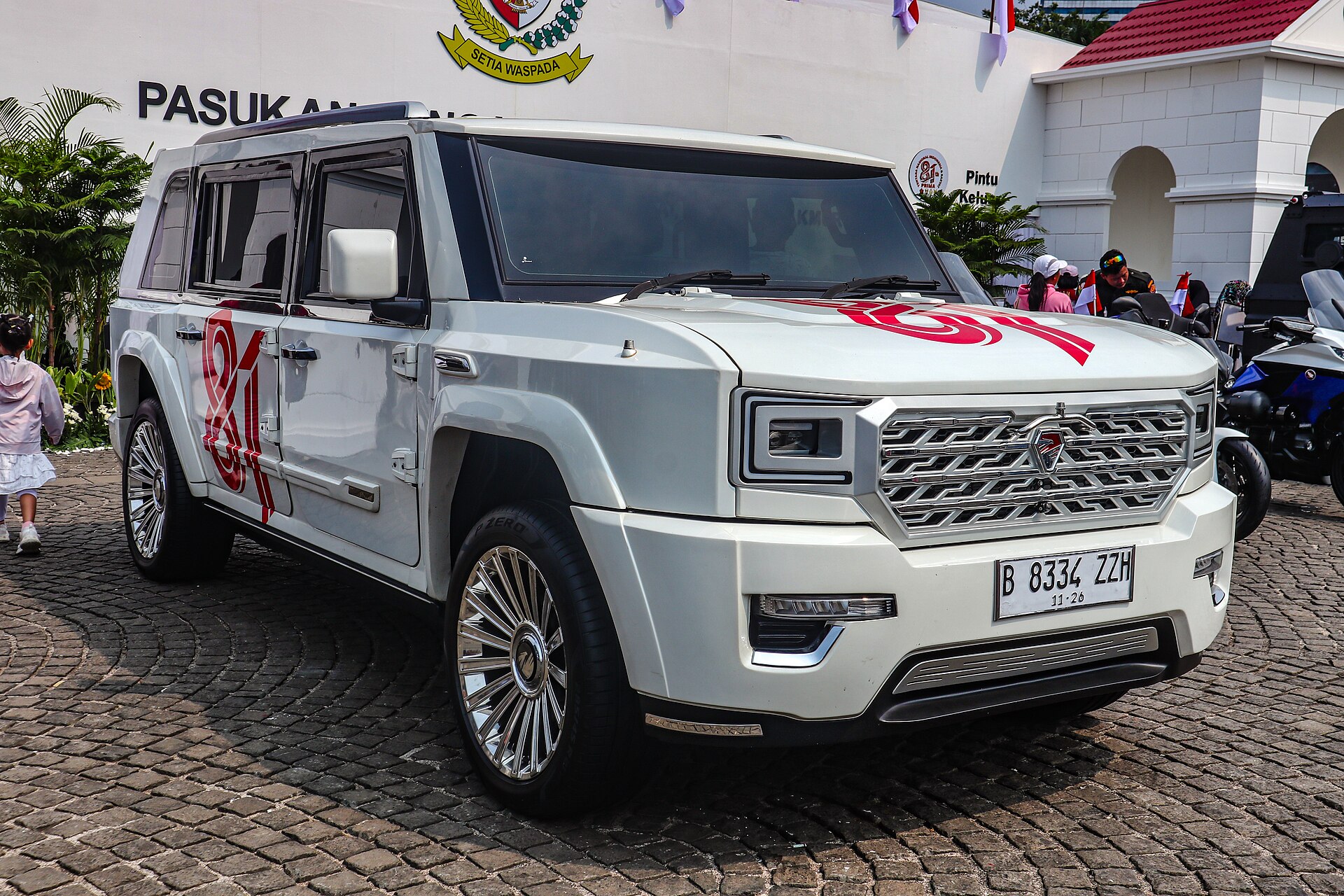
JAKARTAState-owned manufacturer PT Pindad aims to open its national car production plant in the fourth quarter of 2028 with initial single-shift capacity of 50,000 vehicles per year. Following a meeting with Pindad chief executive Sigit Puji Santosa in Jakarta on Monday, November 23, 2026, Industry Minister Muhammad Sarmuji urged the firm to anchor its national electric cars and motorcycles on nickel-based batteries.
Why does Indonesia want nickel batteries in Pindad EVs?
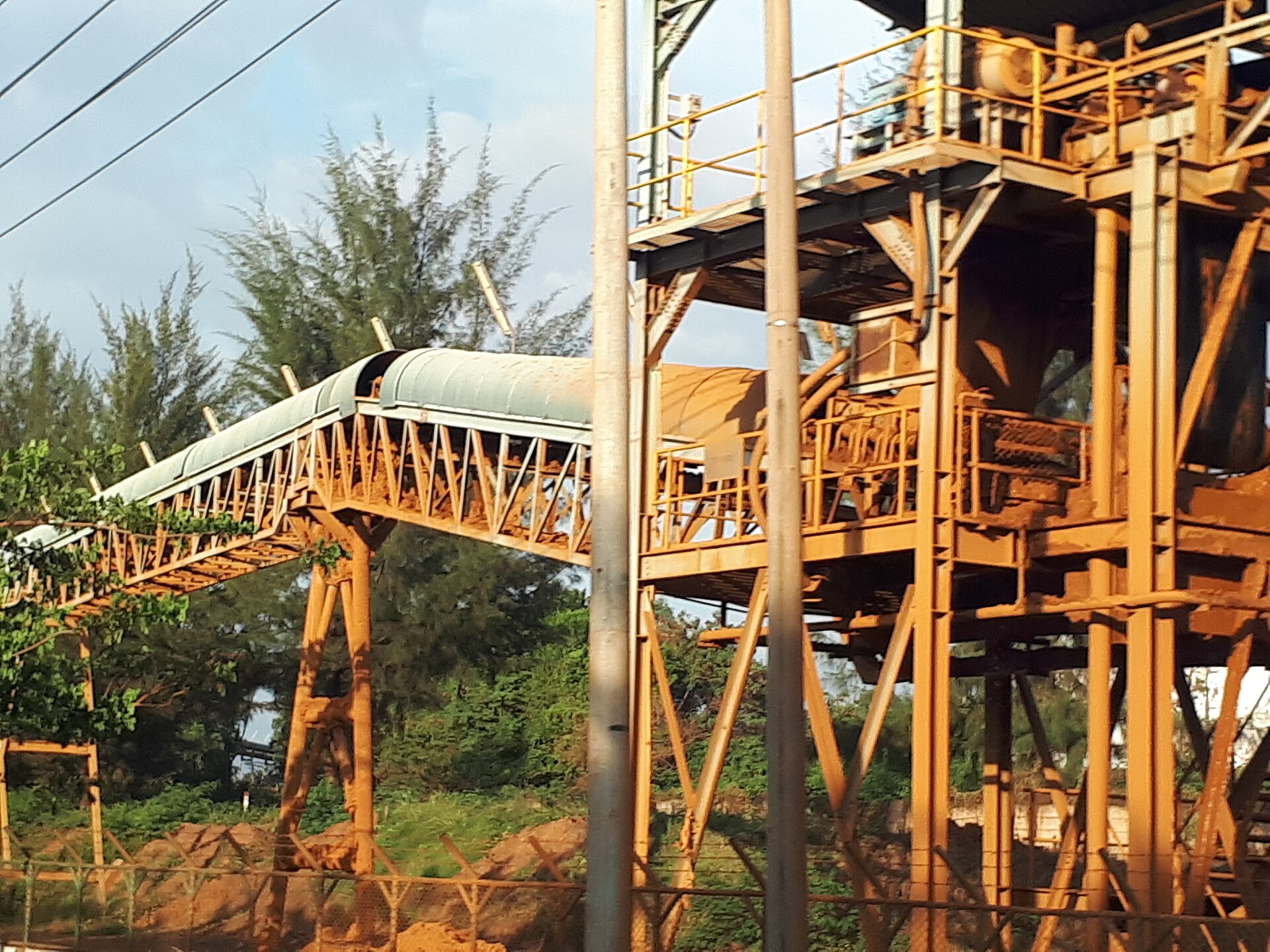
Sarmuji's directive seeks to absorb domestic downstream nickel output at a time when global oversupply has weighed on international nickel prices. In a written statement on Tuesday, November 24, the minister stressed that Indonesia's vast nickel reserves require fresh domestic automotive demand so mineral down-streaming generates value beyond battery precursor production and strengthens local component suppliers.
Beyond industrial policy, the Ministry of Industry views national electric vehicles as a fiscal lever to reduce refined fuel consumption and curb energy subsidies inside the state budget (APBN). Sarmuji noted his ministry will hold a detailed technical review on both the national car and electric motorcycle programs, highlighting how converting Indonesia's massive fleet of petrol motorcycles to electric power could deliver major subsidy savings.
What capacity and local-content targets has Pindad set for 2028?
Sigit outlined a phased rollout starting with physical plant construction and manufacturing infrastructure before expanding model lines and output. Operating on two shifts could double Pindad's annual capacity to 100,000 units depending on market demand, with phase one prioritizing passenger vehicles before branching into commercial trucks and utility models alongside national electric motorcycles.
To deepen domestic manufacturing, Pindad targets an 80 to 90 percent local content level (TKDN) backed by Indonesian ownership of vehicle designs, patents, and industrial blueprints. Sigit added that critical parts—including battery packs, traction motors, permanent magnets, and coils—are directed toward local suppliers, while total capital investment remains under confidential negotiation with prospective industrial partners.
How Domestic EVs Could Ease Indonesia's Fuel Subsidies
Linking Pindad's 2028 automotive roadmap directly to nickel-chemistry batteries gives Indonesia's downstream mining sector a captive domestic consumer amid volatile commodity cycles. Coupled with potential petrol-to-electric motorcycle conversions, scaling local EV manufacturing with high domestic content could lower imported fuel dependency and ease recurring subsidy pressures on Indonesia's public finances.