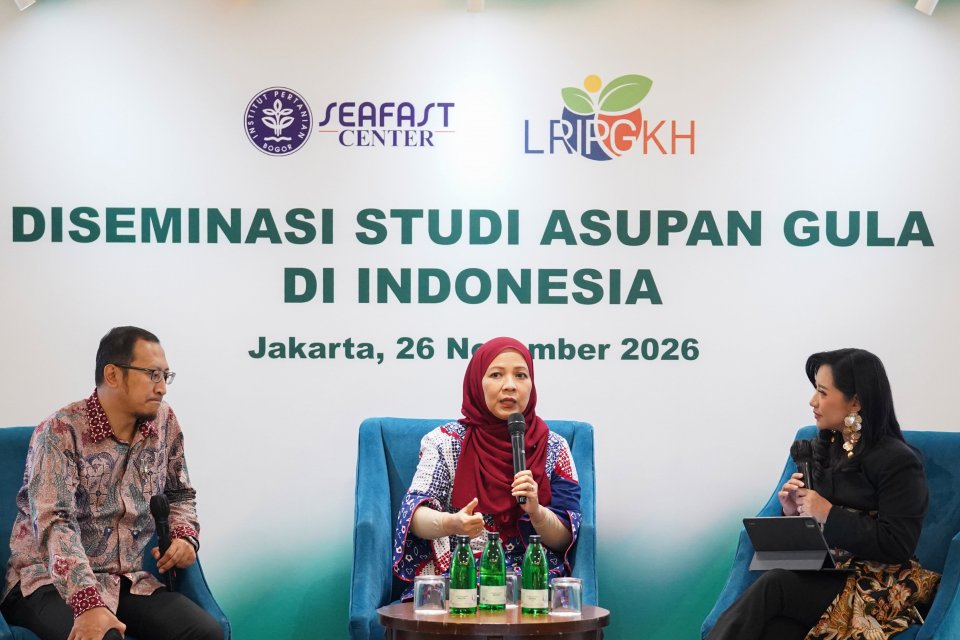
JakartaA new study by IPB University's Southeast Asia Food and Agricultural Science and Technology (SEAFAST) Center reveals that 51.8% of Indonesians' sugar intake comes from food and drinks prepared at home. Lead researcher Dr. Mira Dewi presented the findings—published in the journal BMC Nutrition in 2026—during a dissemination forum in Jakarta on Thursday (26/11/2026).
Which homemade foods and drinks drive Indonesia's sugar intake?
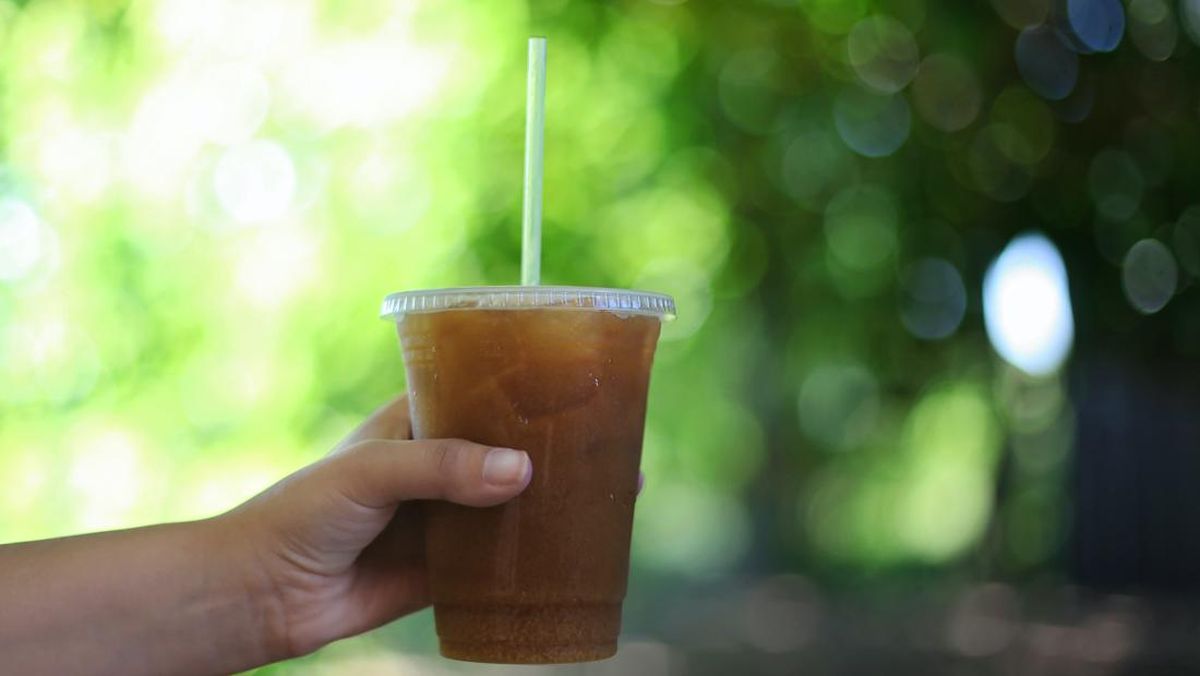
The top five household sources of added sugar are sweet tea, sweetened coffee, mung bean porridge, banana compote (kolak), and homemade fruit juices blended with extra sugar. Surveying 1,202 respondents aged 15 to 55 across 17 cities and 13 regencies in Indonesia's 10 most populous provinces, researchers found unpackaged sweetened drinks bought outside accounted for 19.8%, packaged sweetened beverages (MBDK) contributed just 13.4%, unpackaged foods 8.5%, and packaged foods 6.6%.
Average daily intake stood at 30.61 grams per person—about 5.7% of daily energy—remaining below the Health Ministry's 50-gram daily cap and the WHO threshold of under 10% of total energy. Still, Dewi warned that 17.2% of respondents, or roughly one in six people, exceeded 50 grams per day, with men consuming more than women (35.3 grams versus 26.2 grams) and rural residents averaging more than urban dwellers (32.9 grams versus 29.3 grams).
How do teen and adult sugar habits differ in the study?
While overall sugar volume did not vary sharply across age brackets, consumption sources diverged markedly between teenagers and adults. Adolescents aged 15 to 18 obtained most of their sugar from drinks and street snacks purchased at cafes or around schools, whereas adults aged 30 to 49 consumed the bulk of their added sugar from homemade meals and beverages.
SEAFAST Center head Dr. Puspo Edi Giriwono stressed that the body still needs sugar for energy, but excess intake combined with total calorie surplus, genetics, and low physical activity drives obesity and chronic type 2 diabetes over time. Alongside dietary moderation, recent public health studies have also highlighted practical daily habits such as walking for 10 minutes after meals to curb post-meal blood sugar spikes.

Why do these household sugar findings matter for families?
For Indonesian households, the findings show that curbing diabetes risk requires looking beyond packaged drinks—which make up only 13.4% of intake—to daily sugar habits in home kitchens and street stalls. With 17.2% of surveyed residents already above the 50-gram daily threshold, guiding household meal preparers on portion control offers the most direct path toward healthier families ahead of 2045.