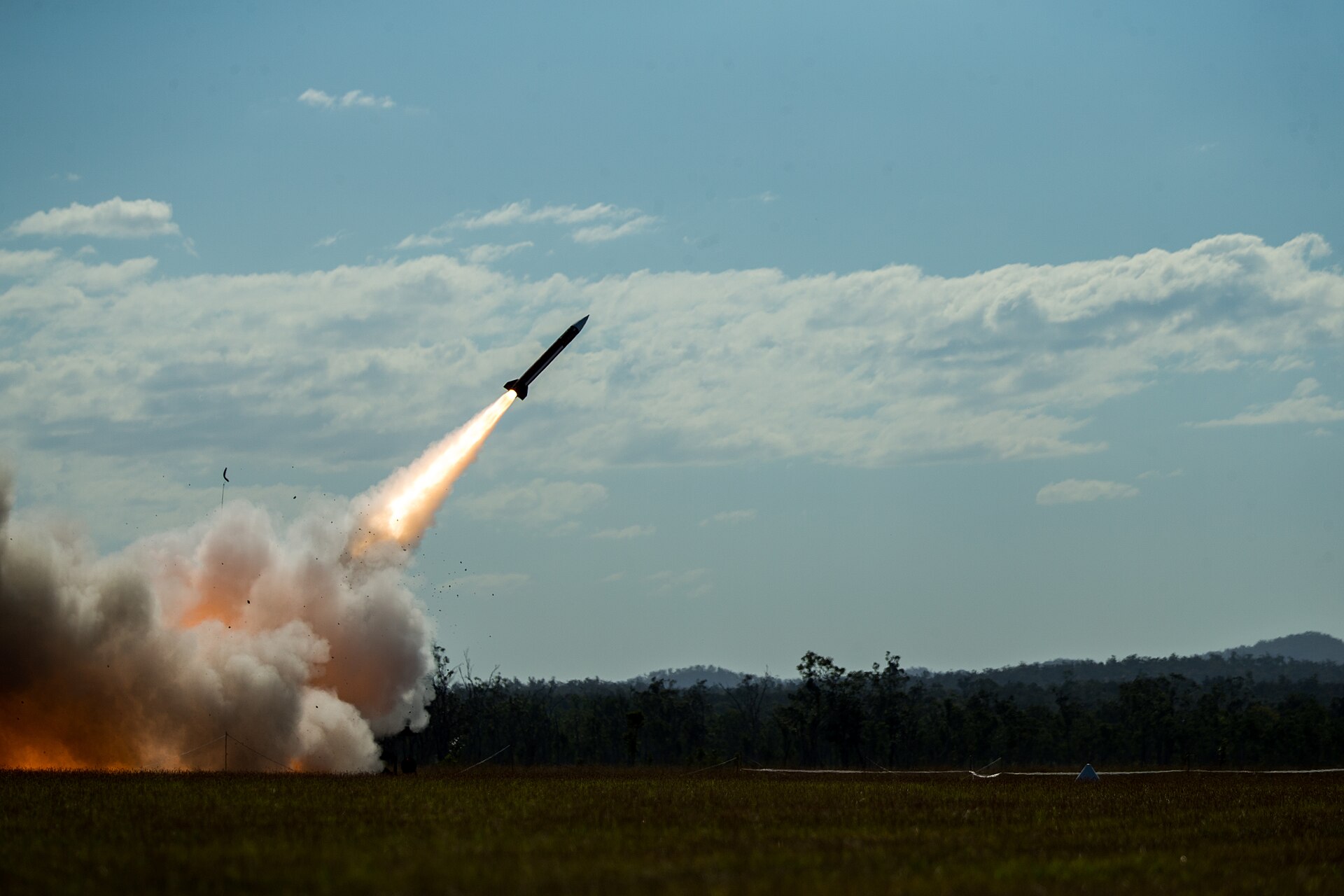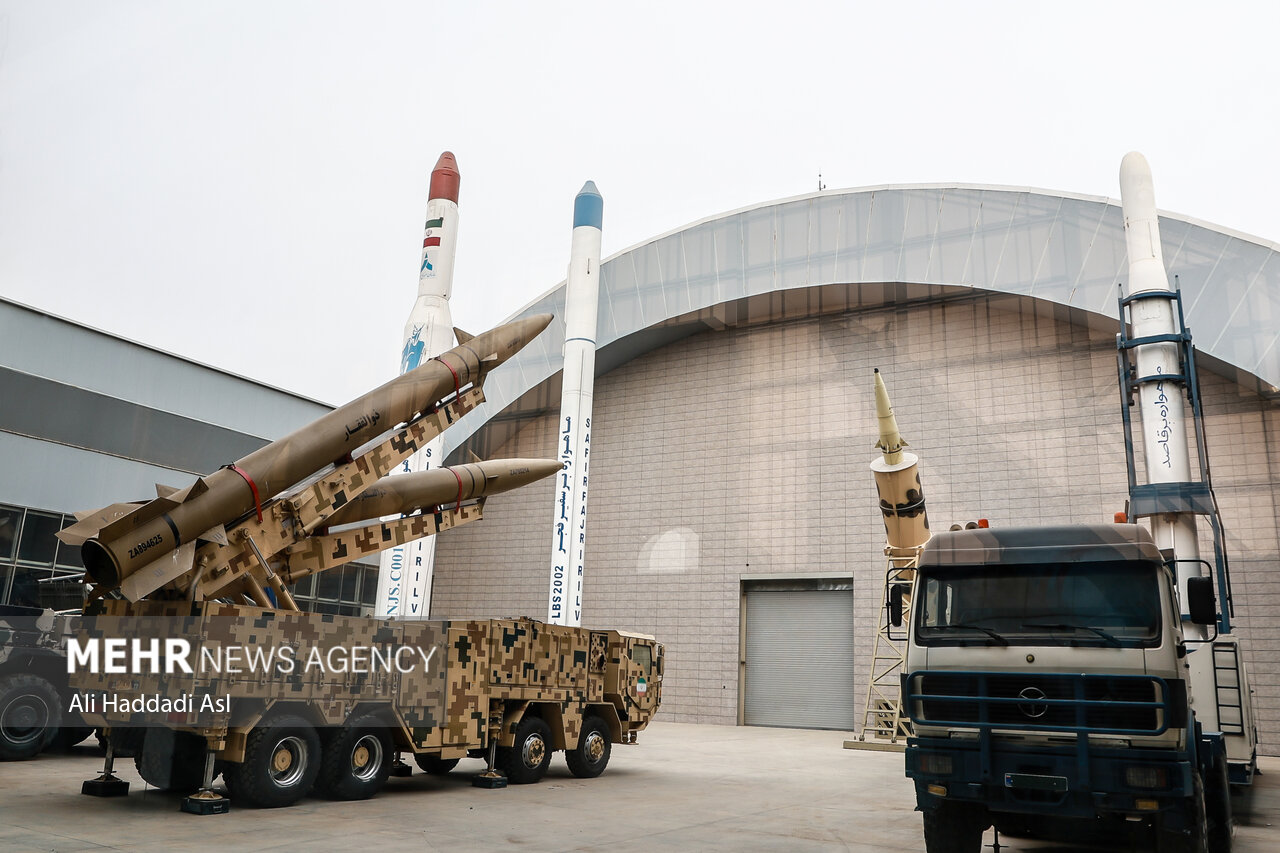
TEHRANIran showcased a new dual-missile launcher capable of carrying and firing two liquid-fuel missiles vertically and simultaneously from inside an underground complex as hostilities with the United States and Israel persist. State media footage released on Saturday, November 21, 2026, showed Islamic Revolutionary Guard Corps (IRGC) commander-in-chief Major-General Ahmad Vahidi inspecting the site alongside IRGC Aerospace Force commander Majid Mousavi.
In video published by semi-official Tasnim News Agency, Vahidi warned that actions against Iran's enemies were only beginning, while Mousavi stated his aerospace units stood ready to carry out every command from military leadership. State broadcaster IRIB said vertical liquid-fuel launches provide speed control designed to evade air defenses and claimed newer missiles feature upgraded range, accuracy, and guidance independent of the US Global Positioning System.
Why did Iran move missile production underground?
The IRGC relocated missile and drone manufacturing lines from surface sites into fortified underground complexes so production and storage can continue despite heavy bombardment since the US-Israel war erupted in late February. Before Vahidi's tour, the Aerospace Force unveiled another underground complex on November 10 with Armed Forces Chief of Staff Major-General Ali Abdollahi present, even as a US naval blockade strains Iranian oil exports.
Renewed Middle East escalation kept global crude prices elevated despite a third consecutive weekly decline across benchmark contracts. Refinitiv data cited by CNBC Indonesia showed Brent crude closing up 0.64 percent at $92.57 per barrel on Friday, November 20, 2026, while US West Texas Intermediate rose 0.93 percent to $83.98 per barrel.

How does Iran's escalation pressure Indonesia's fuel budget?
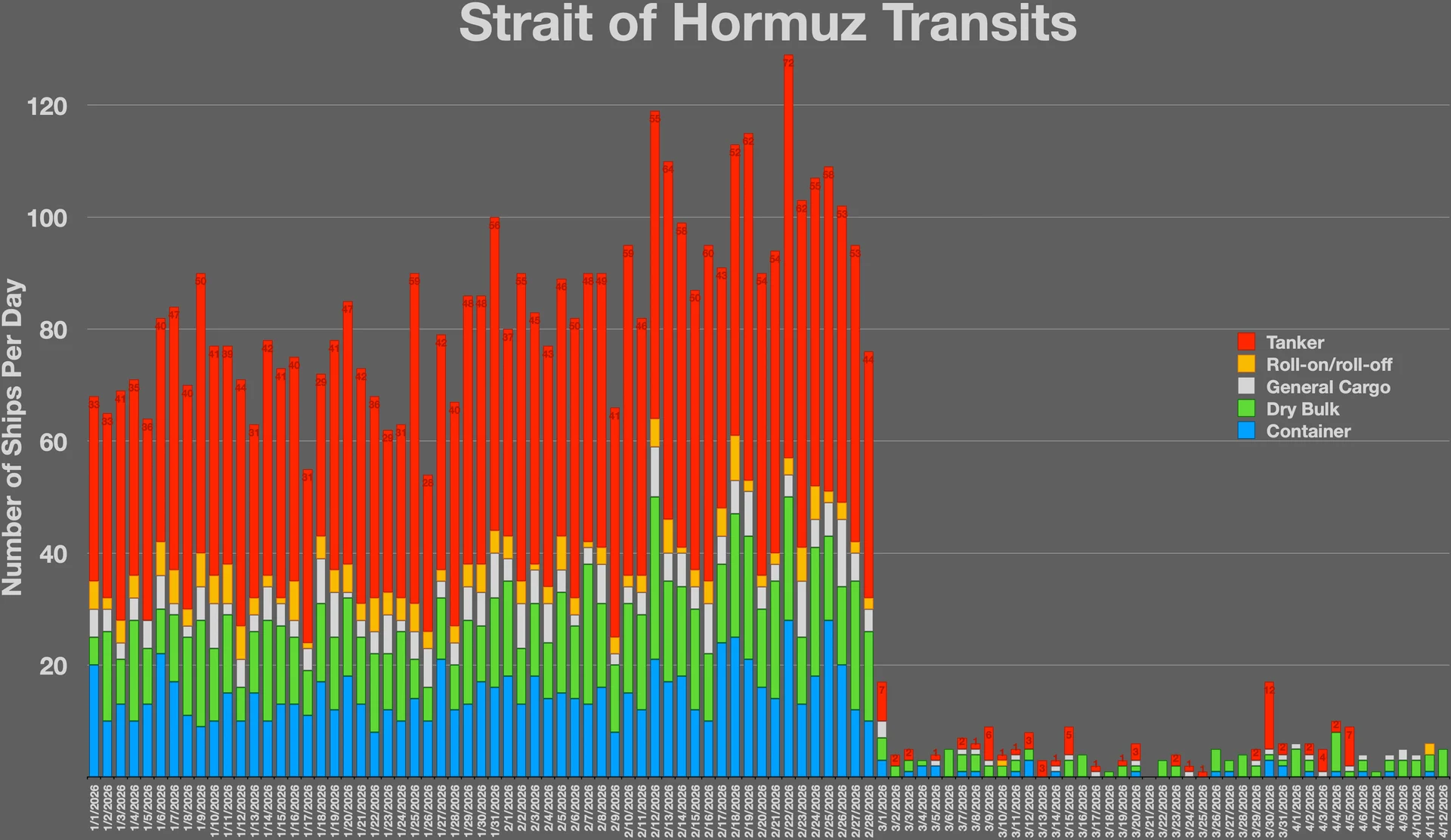
Sustained Brent trading above $92 per barrel weighs on Indonesia's 2026 state budget, where the Indonesian Crude Price (ICP) benchmark assumes $60 to $70 per barrel amid Strait of Hormuz transit risk. Universitas Airlangga economist Rahma Gafmi told Kompas each $1 ICP rise adds about Rp10.3 trillion in energy subsidies against Rp3.5 trillion in extra revenue, prompting a Rp420 trillion fiscal buffer to defend subsidized Pertalite at Rp10,000 per liter if the rupiah nears Rp17,000 per dollar.
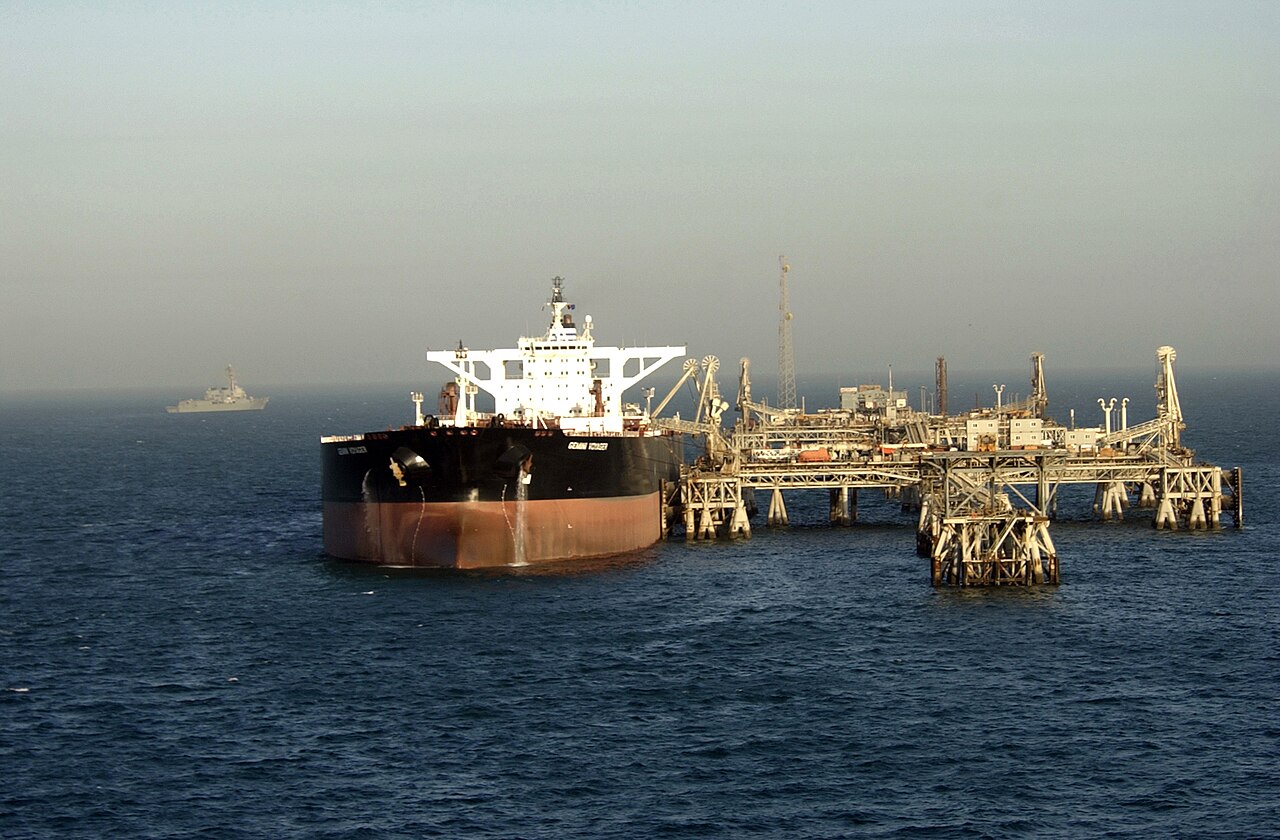
Padjadjaran University energy analyst Yayan Satyakti warned in Kumparan that a 30-to-60-day Hormuz closure could push crude near $130 per barrel and lift unsubsidized Pertalite and Solar costs to Rp17,500 and Rp20,000 per liter. Previously, reports noted Iran staged 14 tankers off Kharg Island to challenge the US naval blockade while demanding its terms be met before discussing reopening the Strait of Hormuz.