RIYADHMiddle East hostilities claimed more civilian casualties on Monday, November 23, 2026, as Houthi-run media reported that a Saudi-led coalition strike killed four people and wounded 18 others in Yemen's Red Sea port city of Hodeida. Houthi outlet Almasirah said the strike hit a state telecommunications building one day after coalition defenses intercepted a ballistic missile fired toward Saudi Arabia's oil-producing Red Sea coast.
Why is Donald Trump holding off on new strikes against Iran?
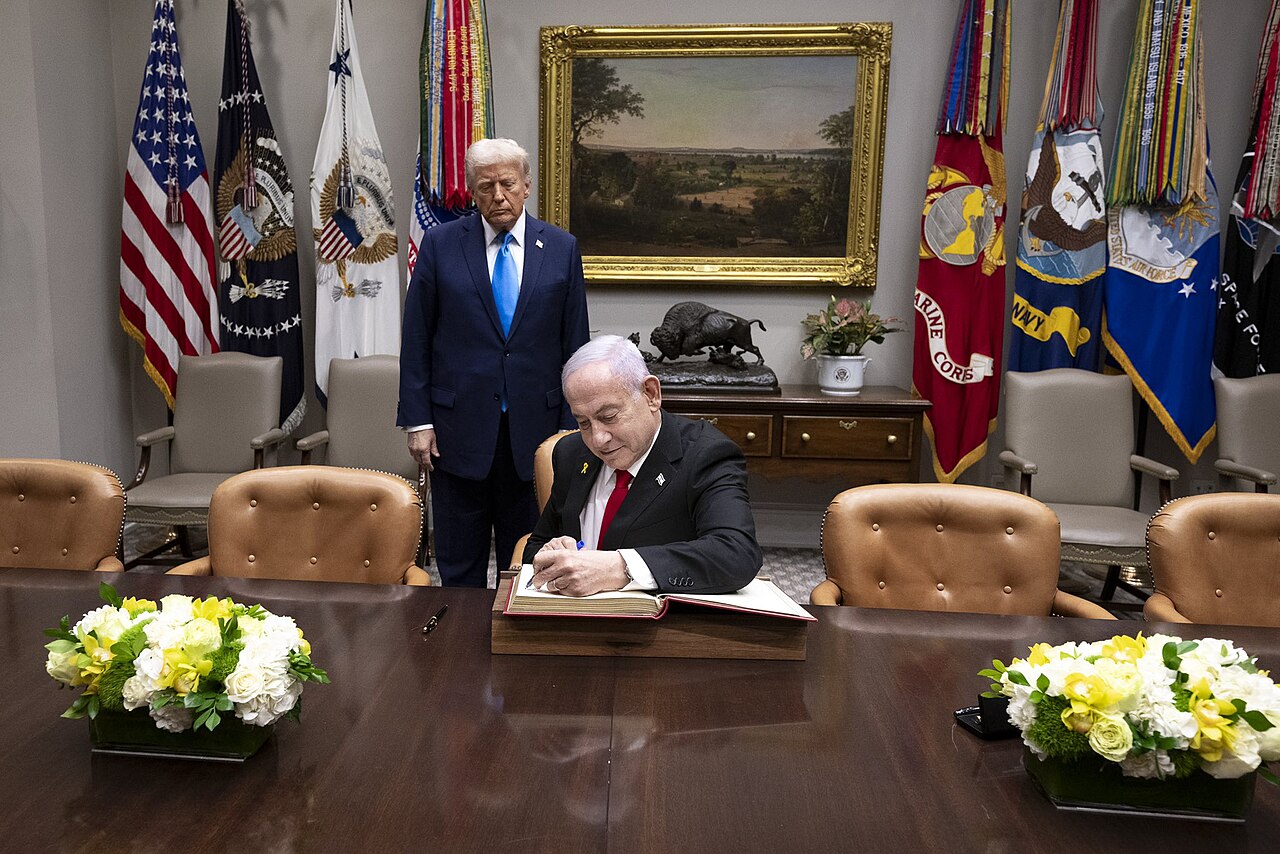
US President Donald Trump is holding off on fresh military action until at least early 2027, telling Fox News and Israel's Channel 12 that he favors a permanent agreement barring Iran from nuclear weapons. His stance rebuffs Israeli Prime Minister Benjamin Netanyahu's urgent appeals to resume sweeping joint strikes against Tehran.
Netanyahu's lobbying unfolds amid political deadlock after Israel's inconclusive election left his bloc with 53 seats against 48 for the opposition and 19 for Arab parties. IDF Military Intelligence and US defense officials cautioned in closed briefings that a projected three-to-five-day strike risks igniting multi-front fighting in Lebanon, Syria, and Gaza, while prime minister-designate Gadi Eisenkot warned against entangling military operations with domestic politics.
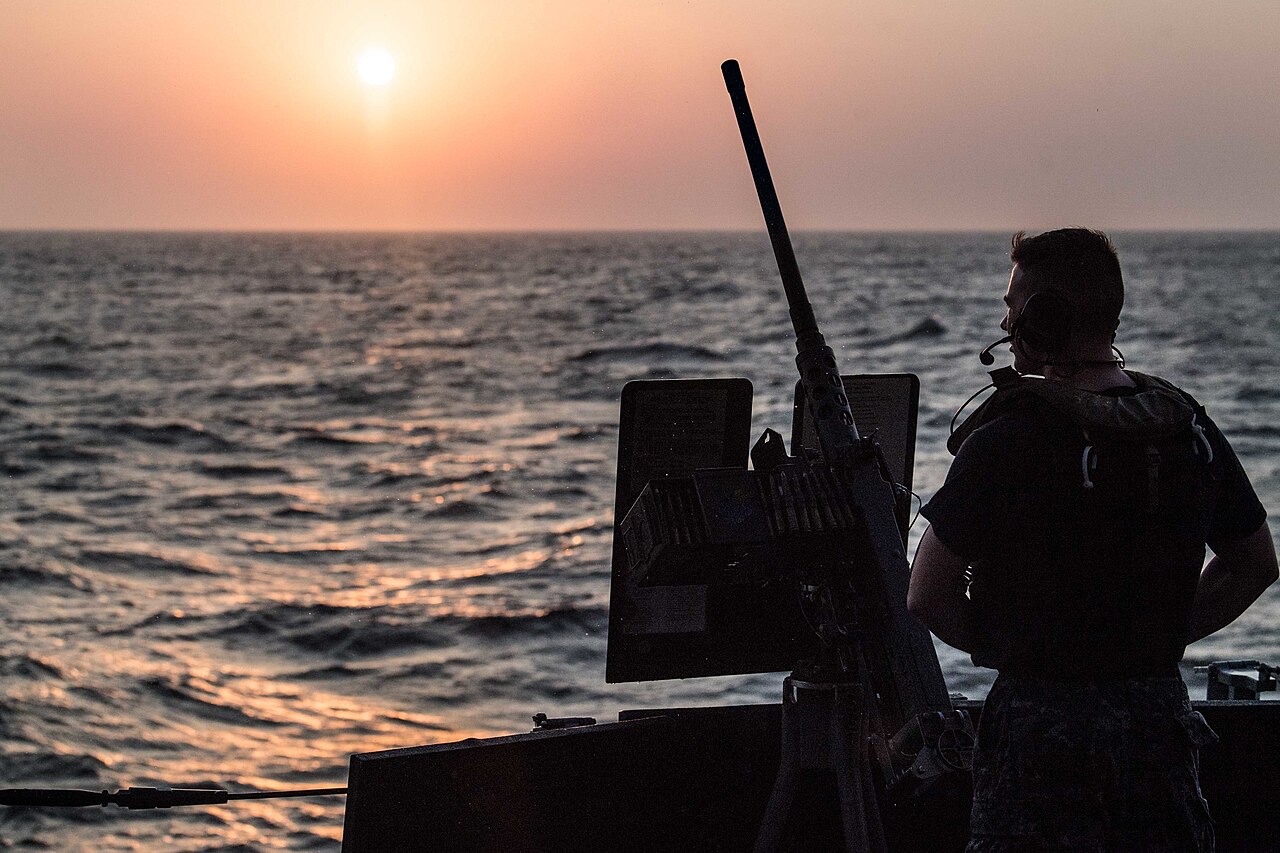
How is the Iran war spilling across Yemen, Riyadh, and the Gulf?
Fighting across the Arabian Peninsula has escalated sharply since Yemen's truce collapsed in July alongside the US-Israel war with Iran, leaving over 1,600 people dead and 300,000 displaced according to UN figures. Over the weekend, coalition air defenses downed three missiles aimed at Riyadh while Bahrain reported its fourth Iranian-linked industrial attack in a week, triggering US consular security alerts.
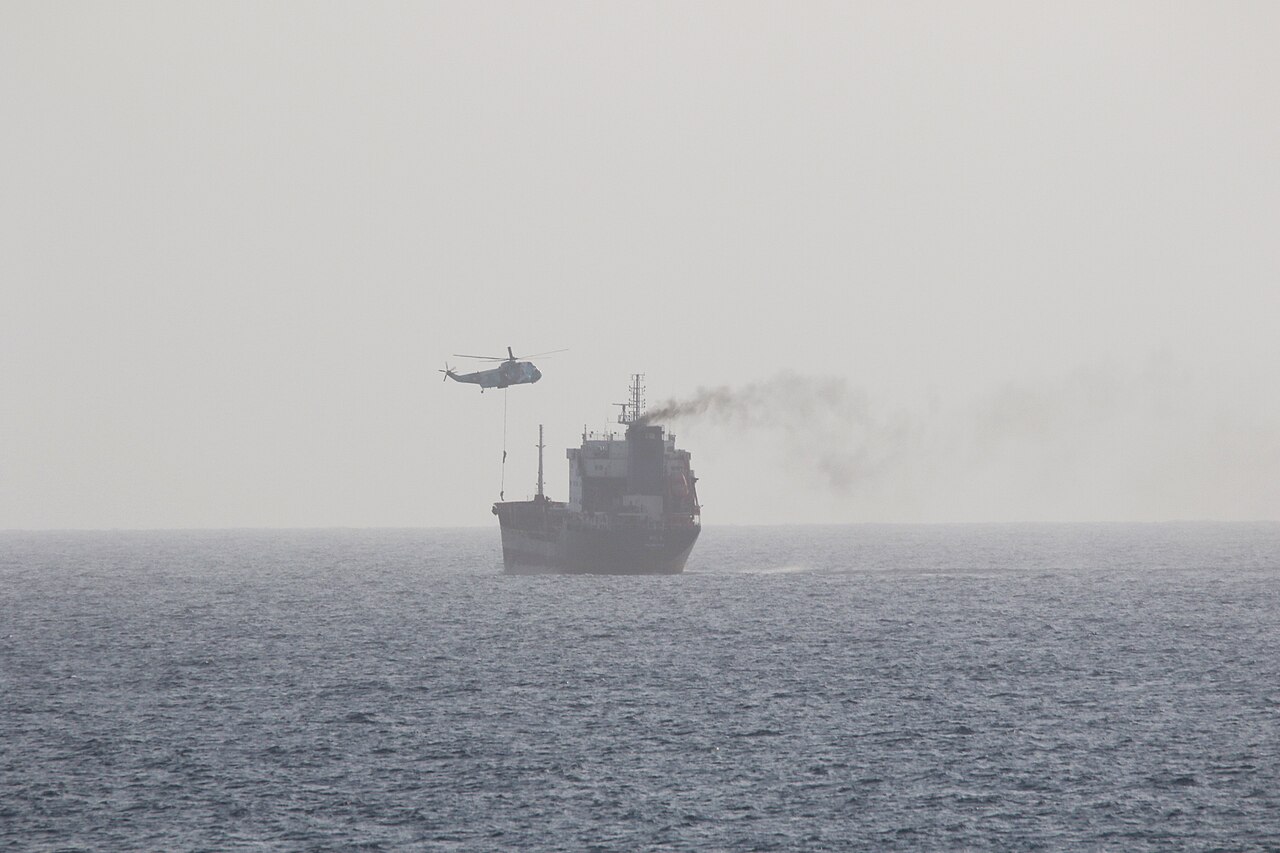
Maritime risk also remains elevated in the Strait of Hormuz, which carried one-fifth of global oil and gas before February's escalation, after Britain's UKMTO logged projectile hits on two tankers and gunfire near a bulk carrier in the Gulf of Aden. Earlier AIGOS coverage noted Brent crude held near $91.25 per barrel as Iran vowed to defy the US naval blockade until Washington lifts sanctions.

How is Indonesia buffering fuel supply against Middle East risks?
For Indonesia, persistent Middle East transit hazards underscore why Energy Minister Bahlil Lahadalia announced on Monday (23/11) that Jakarta has formally offered to host ASEAN's proposed joint oil reserve hub. Domestic demand stands near 1.6 million barrels per day against roughly 600,000 bpd in local crude lifting, leaving an 800,000 to 1 million bpd import gap even as subsidized Pertalite held at Rp10,000 per liter and the rupiah firmed to Rp18,203 per dollar.