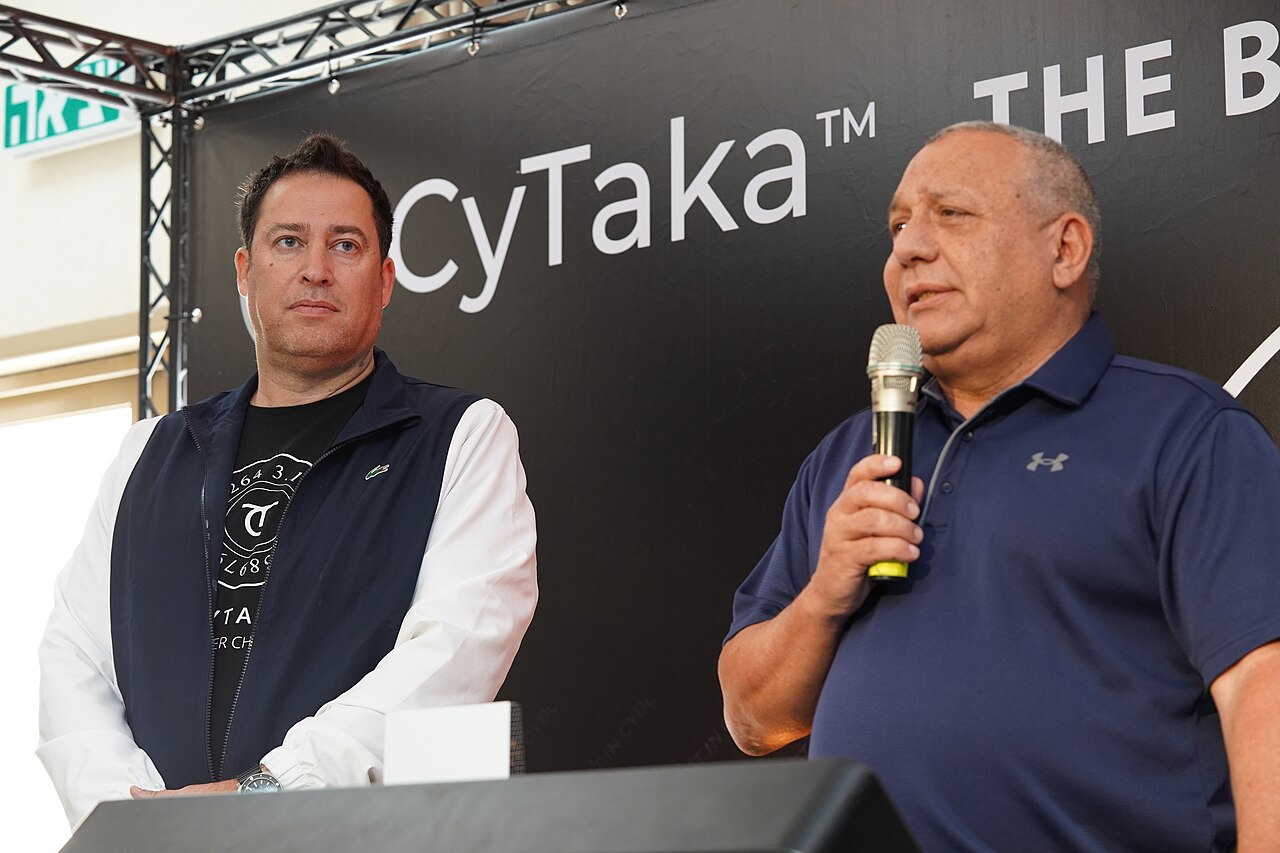
JERUSALEMIsraeli opposition leader and Yashar party chair Gadi Eisenkot has invited caretaker Prime Minister Benjamin Netanyahu's Likud party to broad coalition talks starting Sunday. The outreach comes amid mounting alarm among opposition lawmakers that the outgoing cabinet could launch major military strikes against Iran during the transition.
President Isaac Herzog tasked the former military chief last week with forming a new governing coalition within 28 days, with a possible 14-day extension. Israel's October 27 parliamentary election produced a deadlock, leaving neither camp with a clear 61-seat Knesset majority.
Why did Eisenkot warn Netanyahu against striking Iran now?
Eisenkot urged Netanyahu to defer any major strikes on Iran because ordering large-scale military action without parliamentary confidence risks dragging Israel into war and eroding democratic trust. In a formal letter, he cautioned against deploying forces when no immediate, non-deferrable threat exists.
The warning followed Eisenkot's first security briefing with Netanyahu in Jerusalem on Thursday since the election. Israeli reports cited by Al-Monitor also described a tense call between Netanyahu and US President Donald Trump, as Netanyahu pressed for renewed strikes while Washington favored keeping diplomacy with Tehran alive.

What conditions did Likud set for unity coalition talks?
Likud responded to Saturday's invitation by demanding an end to personal political boycotts against Netanyahu, exclusion of Arab-led parties, and rejection of Palestinian statehood. Likud also sought pledges preserving security zones in Gaza, Lebanon, and Syria, even as opposition ally Naftali Bennett ruled out serving under Netanyahu.
Defense Minister Israel Katz pushed back by asserting the caretaker cabinet needs no opposition approval for regional operations, while scheduling a security cabinet meeting for Sunday after more than a month without one. Previously, AIGOS reported escalating Gulf tensions following industrial facility strikes in Bahrain.
What Israel's Transition Risk Means for Indonesia
For Indonesia, political brinkmanship in Jerusalem carries direct economic and consular stakes because renewed Israeli-Iranian escalation would drive global crude volatility and strain the Rupiah. Indonesian authorities also closely track Middle East airspace safety and evacuation readiness for citizens residing across the region.