Java and Bali account for approximately 56.05% of Indonesia's gross domestic product, according to a statement cited by CNN Indonesia. Their contribution makes regional economic development central to the country's national growth ambitions.
President Prabowo Subianto has set a target of 8% economic growth by 2029 as part of an effort to make Indonesia a developed country by 2045. Statistics Indonesia, known as BPS, reported that national output grew 5.47% year on year in the third quarter of 2026, up from 5.29% in the preceding quarter.
Java grew 5.84% over the same period, while the combined Bali and Nusa Tenggara region expanded 6.08%. The latter figure includes Nusa Tenggara and does not represent Bali's growth alone.
Manufacturing, trade, agriculture, services, tourism and the creative economy underpin Java and Bali's economies. The challenges ahead include sustaining investment, strengthening local supply chains and ensuring the benefits of growth are distributed more evenly.
Each area has different strengths. West Java relies on manufacturing and investment, Jakarta on high-value services, and Central Java has potential as an alternative manufacturing centre. East Java has a strong industrial and logistics ecosystem, while Yogyakarta and Bali rely on tourism, education and the creative economy. Banten has potential in processing industries and industrial estates.
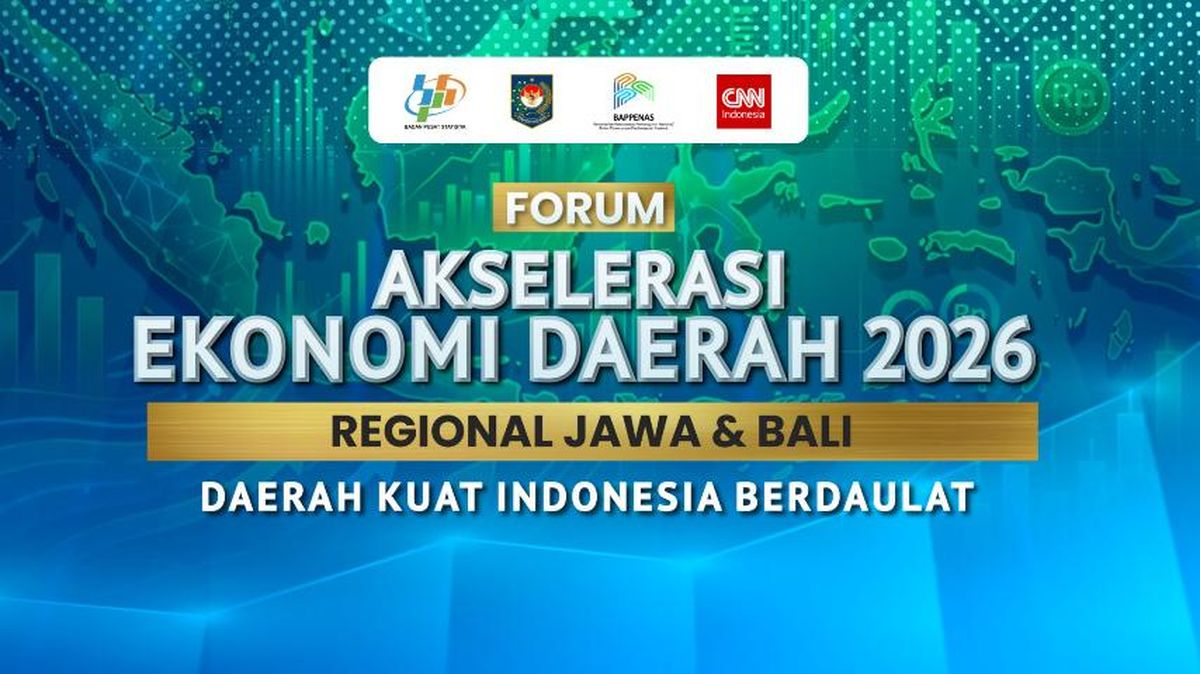
These opportunities and challenges are set to be discussed at a regional economic acceleration forum for Java and Bali. Home Affairs Minister Tito Karnavian, National Development Planning Minister and Bappenas chief Rachmat Pambudy, and BPS head Amalia Adininggar are expected to offer perspectives on government policy, development strategy and regional economic trends.