
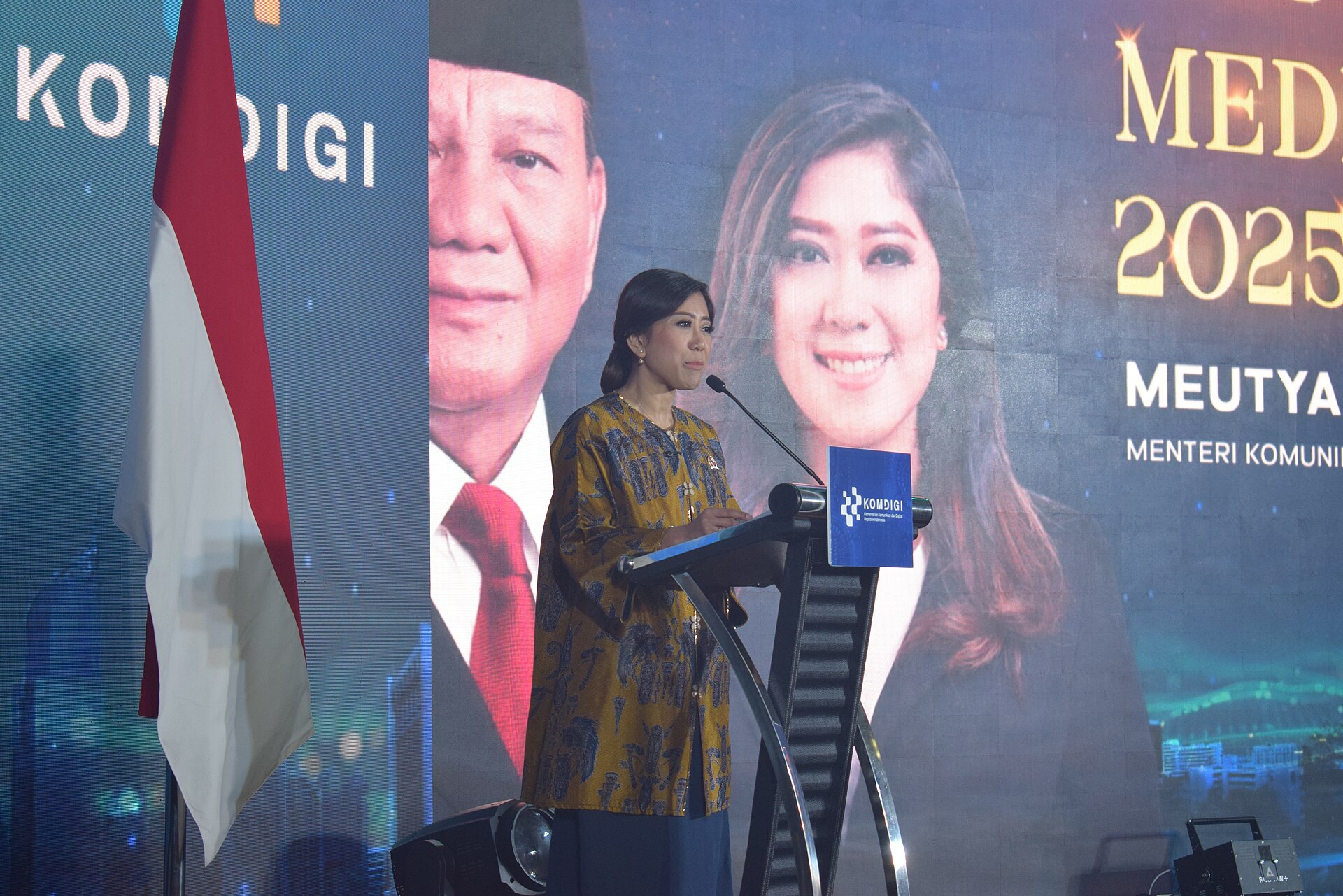
JAKARTAIndonesia's Ministry of Communication and Digital Affairs (Komdigi) is evaluating new cost factors in a draft ministerial regulation governing app-based food and parcel courier fees. Minister Meutya Hafid stated that courier pricing cannot replicate passenger ride-hailing tariffs because delivery riders bear extra responsibility for handling goods safely and meeting perishable food shelf-life limits.
The technical rule implements Presidential Regulation (Perpres) No. 27 of 2026 on Protecting the Digital Platform-Based Transportation Ecosystem. Under the presidential decree, Komdigi regulates transparency and cost guidelines for goods and food delivery, while app service commissions are capped at a maximum of 8 percent so motorcycle couriers retain a fairer share of customer fares.
What cost factors are included in the new courier formula?
Under the draft formula, regulators are weighing package weight and dimensions, item value, risk-based handling charges, weighing fees, merchant waiting times, and parking expenses. Meutya stressed that Komdigi cannot finalize the ministerial decree alone and is coordinating closely with the Ministry of Transportation so courier rules align smoothly with upcoming transport ministry regulations.
Deputy Minister Nezar Patria explained that the courier rules will serve as pricing-algorithm guidelines for digital platforms rather than rigid passenger fare ceilings and floors. He noted that regulators are balancing four priorities: lifting driver incomes, protecting riders from operational risks, keeping delivery prices affordable for consumers, and ensuring platform sustainability.
Parliamentary push and driver concerns since 2016
Political momentum accelerated on November 19 when House Deputy Speaker Sufmi Dasco Ahmad urged faster implementing decrees and ordered parliamentary panels to harmonize the Road Traffic Law revision with a dedicated Online Transport Bill. In follow-up talks on November 20, Front Driver Transportasi Online Indonesia (FDTOI) representative Mahmud noted that app delivery tariffs had lacked standard rules since 2016 despite ongoing fuel and mobile data costs.

Why it matters for Indonesia: component-based courier fee standards directly shape household earnings for millions of motorcycle drivers and shipping economics for Indonesian culinary micro-businesses. Komdigi also pledged broader consultations with regional drivers facing varied terrain outside Jakarta and inter-agency coordination with competition watchdog KPPU over alleged platform monopoly practices.