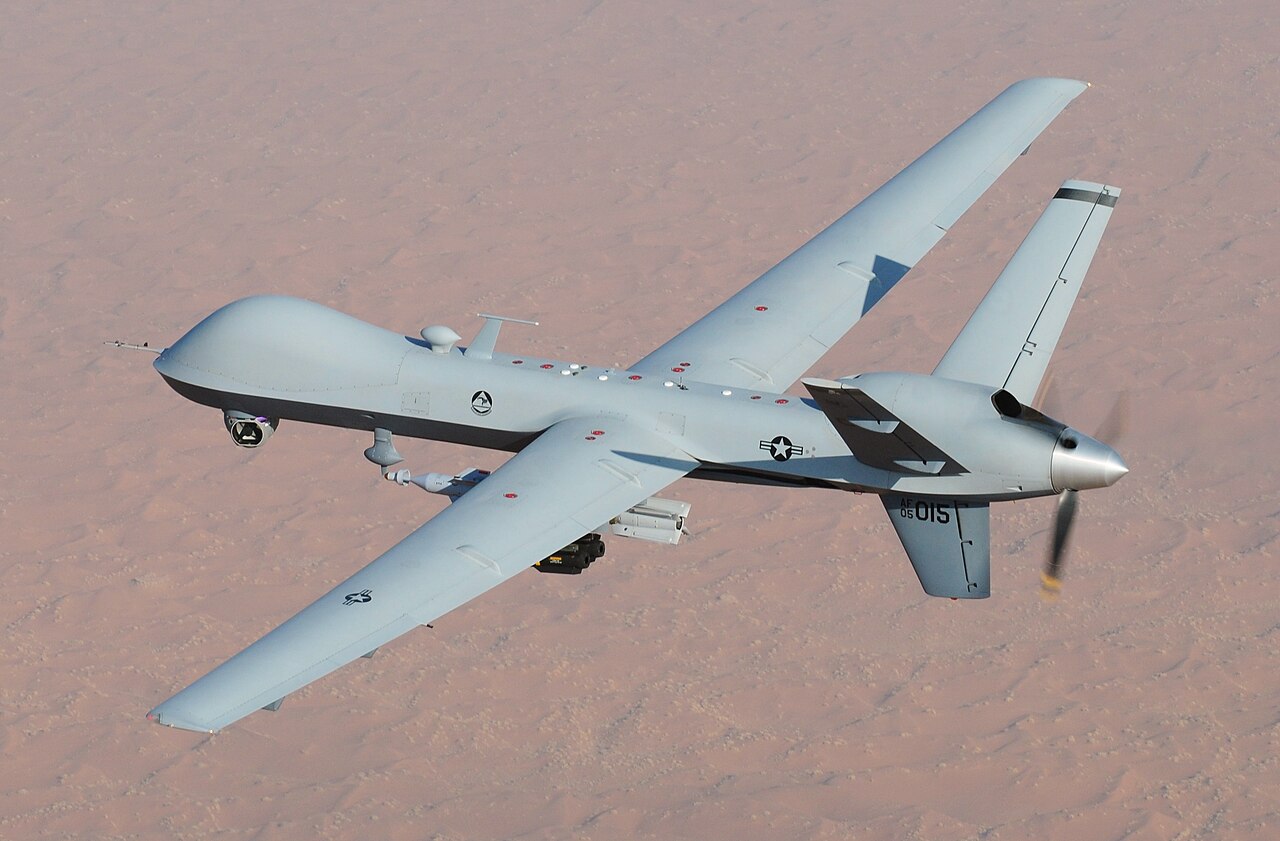
RIYADHThe Saudi-led coalition supporting Yemen's internationally recognized government intercepted three Houthi ballistic missiles targeting Riyadh early Saturday, November 21, 2026, after fresh emergency alerts sounded across the Saudi capital. Hours later, coalition air defenses destroyed another Houthi drone launched toward southern Saudi Arabia, marking the third consecutive day of capital alerts just two days after a strike damaged Riyadh's tallest skyscraper, the Public Investment Fund tower.
Saudi Arabia's civil defense agency issued eight public alerts over a 24-hour span beginning at 7:30 a.m. local time on Friday, heightening concern across commercial districts and airports. On Friday, Houthi military spokesperson Yahya Saree posted warnings on X advising airlines that Saudi airspace was unsafe outside the skies over Makkah and Madinah, while naming Riyadh's King Abdullah Financial District, Red Sea port city Jeddah, and the Al-Shuqaiq power plant as potential targets.
Why did the Saudi-led coalition strike Hodeidah?
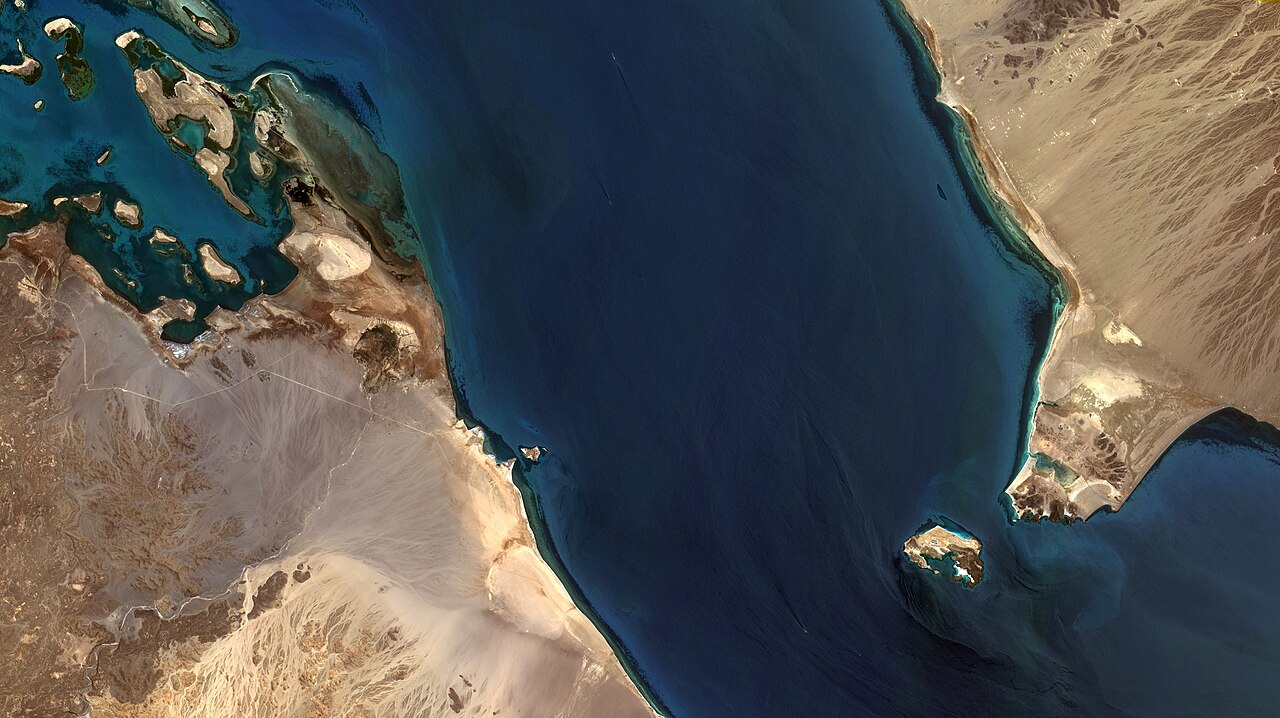
The coalition carried out what spokesperson Turki al-Malki described on Friday as a special operation striking Houthi-held Hodeidah port on the Red Sea and military sites in Sanaa. According to al-Malki, the strikes targeted port operational facilities used to smuggle Iranian weapons and ballistic missiles, while separate raids hit power installations near Qahza and the coastal town of Mocha.
Yemen's recognized government defended the Hodeidah strikes, accusing Houthi forces of using maritime infrastructure to receive foreign weaponry and stage attacks. The United Nations responded that it is watching the escalating clashes with concern, warning that intensified hostilities across ports and power grids could sever crucial humanitarian supply corridors across Yemen.
What do the Riyadh strikes mean for flights and oil?
For Indonesia, escalating missile alerts over Riyadh and Red Sea flight warnings directly affect aviation routing for Indonesian Umrah pilgrims and migrant workers alongside imported fuel pressures. While Houthi statements explicitly exempted airspace above Makkah and Madinah, threats to Jeddah and central Saudi skies complicate flight planning, and global crude reacted on Friday with Brent climbing 0.3 percent to $92.22 per barrel and US West Texas Intermediate edging up 0.2 percent to $83.40.

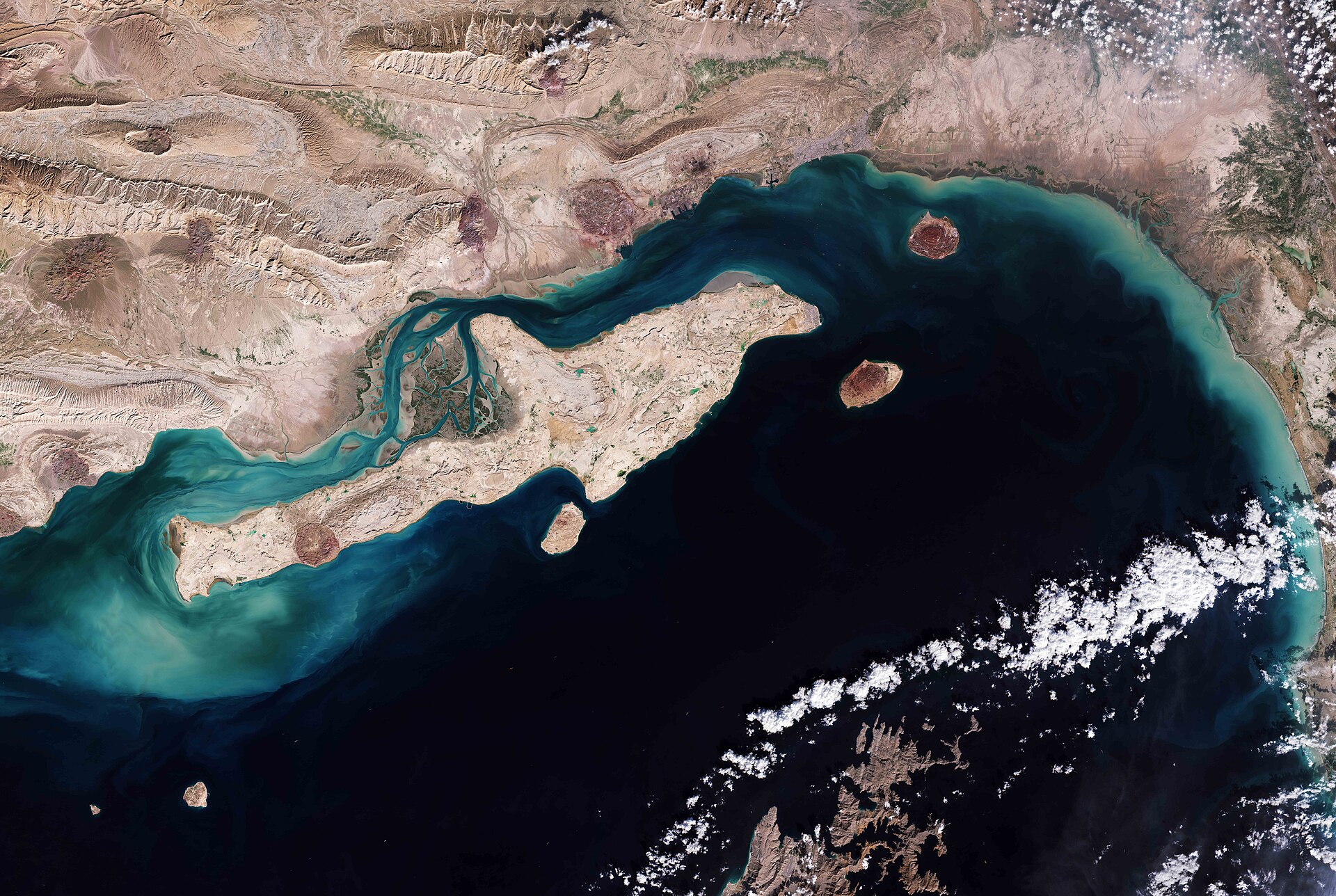
Rakuten Securities commodity analyst Satoru Yoshida noted that supply anxiety following the Riyadh attacks revived oil buying despite broader weekly declines driven by fluctuating Red Sea and Hormuz shipment volumes. Energy traders are now focused on whether OPEC+ members extend coordinated output curbs at their scheduled end-of-month policy meeting.