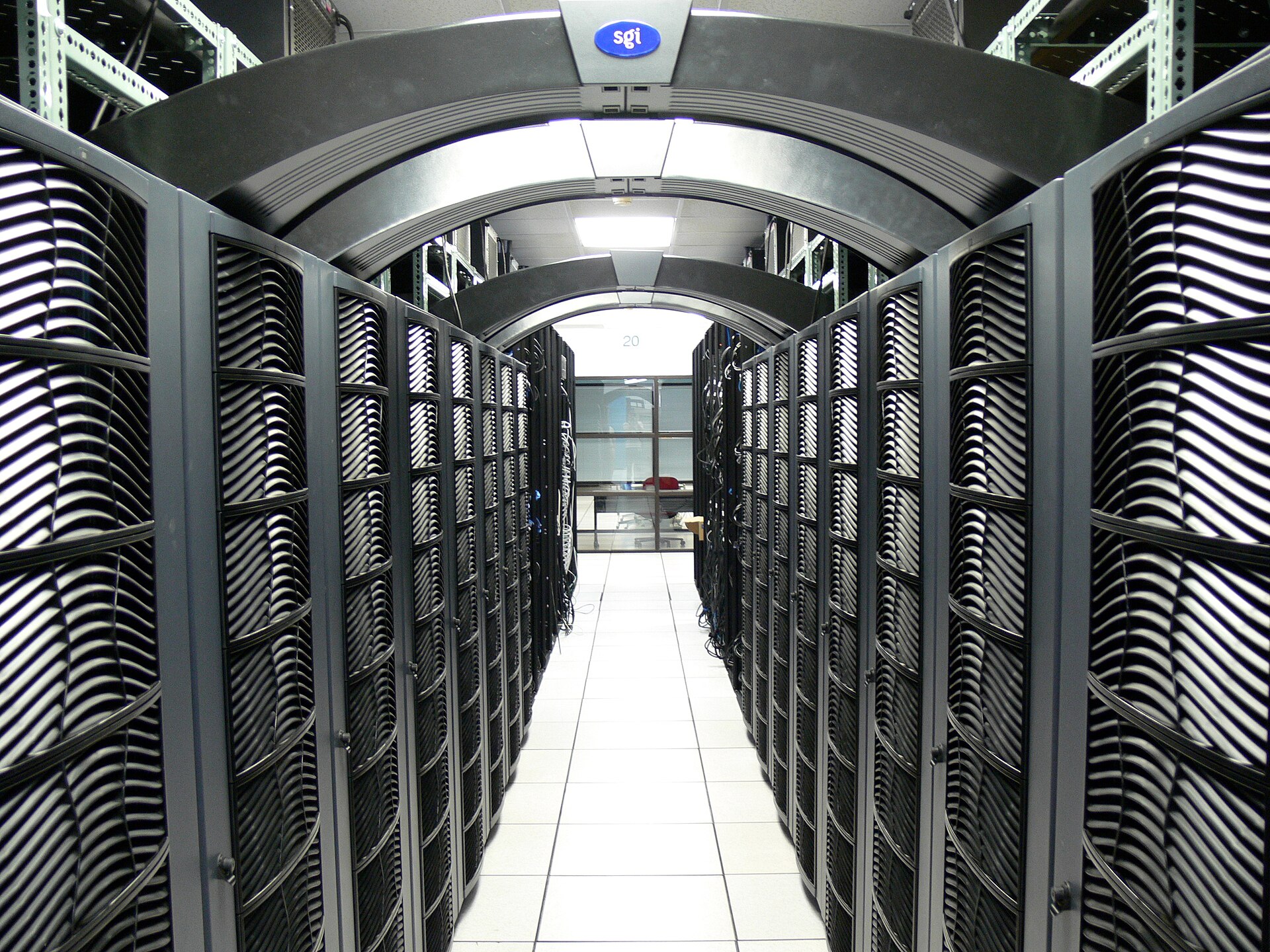
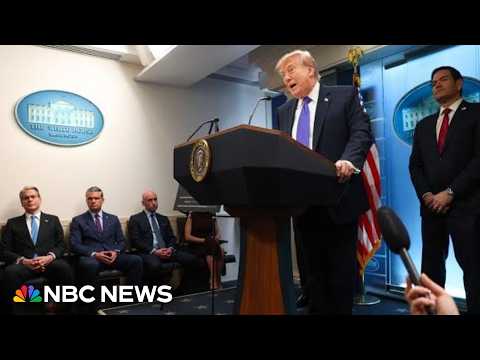
WASHINGTONUS President Donald Trump threatened to prohibit or impose tremendous penalties and heavy taxes on American technology firms that build artificial intelligence data centers overseas. Speaking at a White House briefing on Friday, November 20, 2026, Trump argued the United States will not allow data centers to move abroad because China would take them all.
Trump candidly told reporters he announced the policy idea spontaneously without having briefed his own administration officials beforehand. While urging developers to keep construction on US soil, he added companies could still build data centers outside the United States if they accept paying steep tax penalties.
Why does Trump's push clash with US voters?
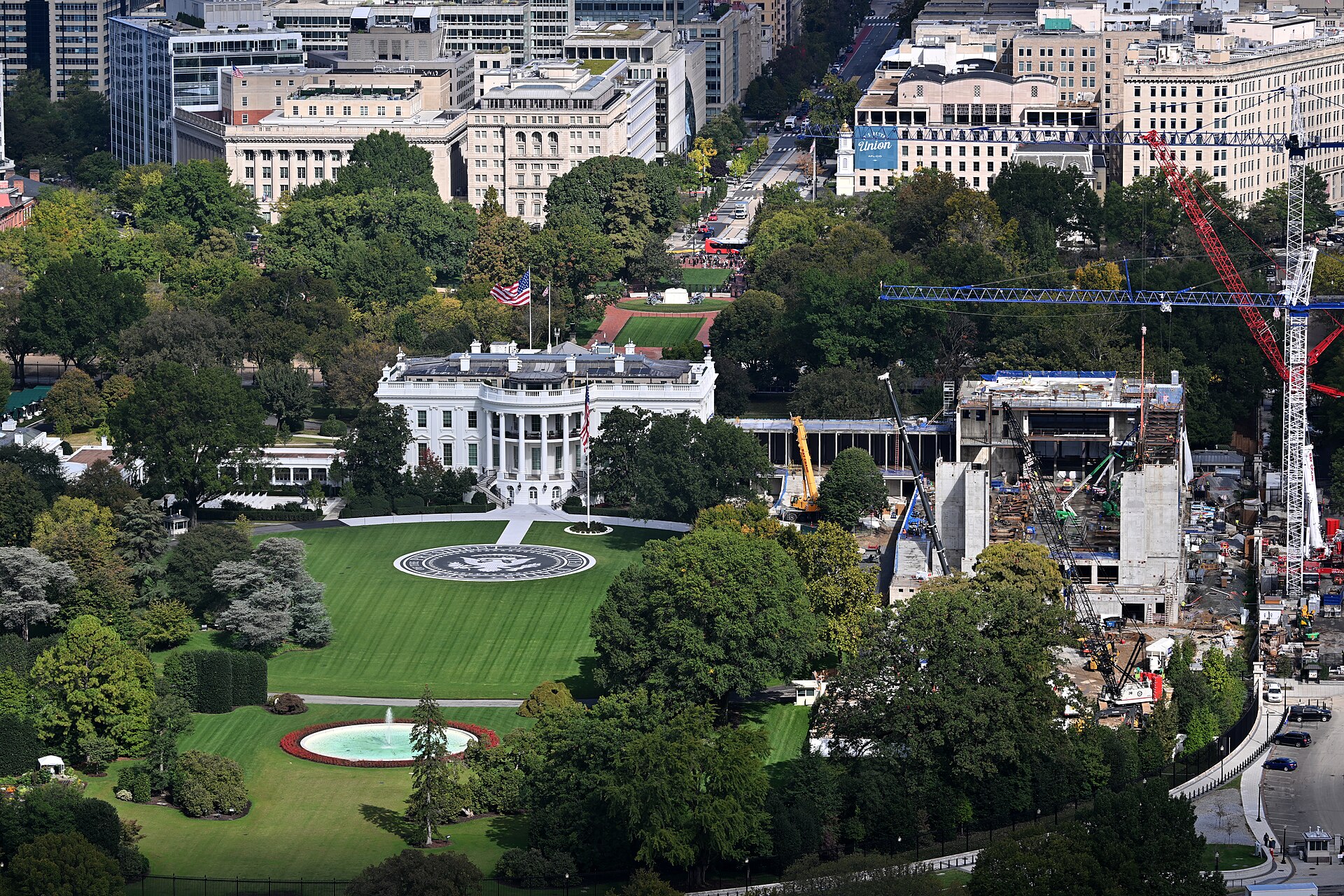
Trump's push for domestic expansion clashes with strong local opposition over rising electricity costs, heavy water consumption, and environmental strain near residential neighborhoods. A CNBC All-America Economic Survey cited by CNBC Indonesia found 64 percent of registered US voters oppose having an AI data center within 10 miles of their homes, with only 13 percent supporting them despite Trump urging communities to extract financial payments from developers.
Meanwhile, major US cloud providers including Alphabet, Amazon, Microsoft, Meta, and Oracle have invested heavily in overseas facilities to lower latency for regional clients and comply with local data regulations. Representatives for Amazon, Google, Microsoft, and Oracle did not immediately respond to requests for comment on Trump's proposed tax.
What could a US overseas tax mean for Indonesia's cloud growth?
For Indonesia, a fast-growing cloud and AI market in Southeast Asia, potential US overseas infrastructure penalties could complicate investment costs and timelines for US hyperscale deployments. At the same time, Antara News noted rising scrutiny of AI infrastructure sustainability including in Indonesia, citing Greenpeace 2024 projections that global data center water demand could jump from 239 billion liters to 664 billion liters annually by 2030.
During the same White House briefing, Trump remarked on meeting Russian President Vladimir Putin and Chinese President Xi Jinping around Thursday's APEC summit and said he would look into reported security threats against Washington. The White House has yet to detail statutory authority, tax rates, or a timeline for enforcing any restrictions on foreign data center construction.