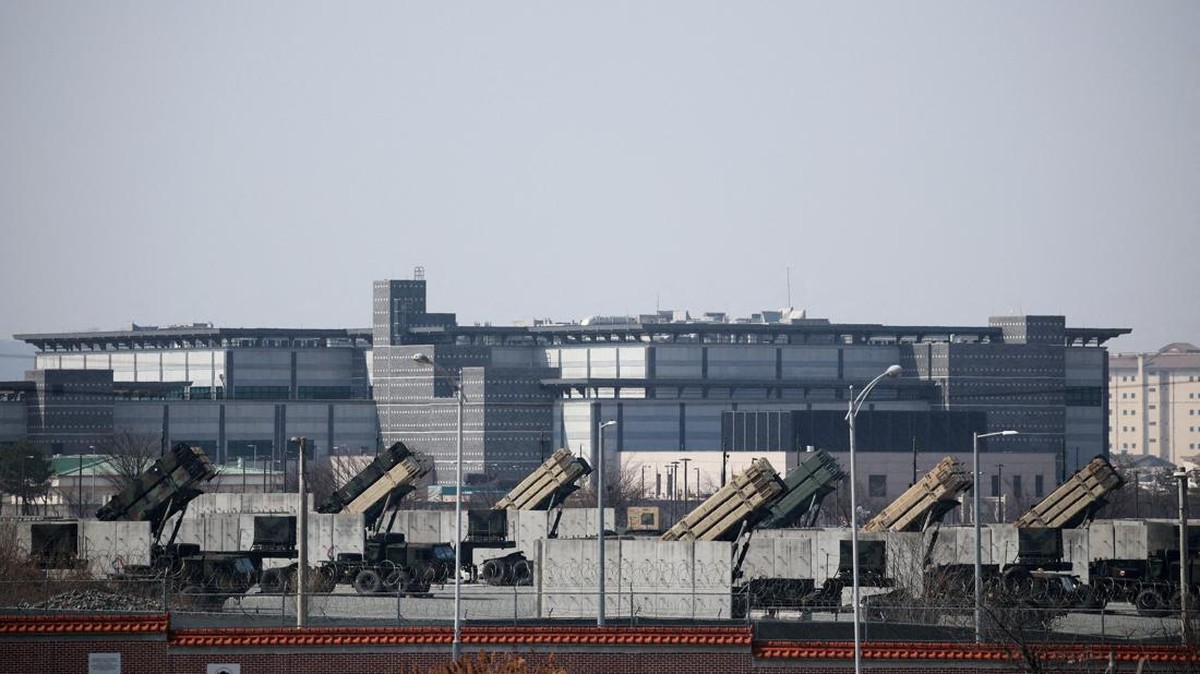
WASHINGTONHackers have breached Cloud One, the US Air Force's flagship cloud computing platform supporting Pentagon-linked operations, according to five people familiar with the matter cited by Reuters on Saturday, November 28, 2026. Detected within roughly the past month during a system upgrade, the intrusion threatens sensitive tactical, personnel, and military logistics records.
Which missile and radar systems run on Cloud One?
Launched in 2017 as an IT one-stop shop combining services from Microsoft, Amazon, Oracle, and Alphabet—with Leidos replacing SAIC as prime contractor in 2026—Cloud One hosts dozens of mission applications. Those include Cloud-Based Command and Control, which aggregates North American air-defense radar feeds, and the Theater Integrated Combat Munitions System, which tracks bombs and missiles across more than 200 Air Force locations worldwide.
One source said intruders exploited an unidentified software flaw to reach the platform's control plane, likening that layer to a universal remote that could theoretically let attackers inspect aircraft readiness and spare-parts movements. While it remains unclear who carried out the breach or whether data was exfiltrated, officials revoked administrator privileges for some users, froze back-office app migrations, and blocked updates to active Cloud One applications.

Why did the breach freeze software patches across the Air Force?
Halting application updates has left Air Force personnel unable to deploy security patches just as critical software flaws surface across the tech sector. Investigators called in US Cyber Command to assess the damage; Cyber Command and SAIC did not respond to requests for comment, Leidos referred inquiries to the Air Force, and the Air Force declined to discuss specific network vulnerabilities.
The breach adds to at least six recent US federal cyber incidents—spanning two cases at the FBI, an earlier Pentagon personnel breach, the Department of Homeland Security, at least two intelligence agencies, and the US Treasury—amid mounting concern over AI-assisted exploitation. In a 2023 commentary for FedScoop, Cloud One leaders had touted a 100 percent success rate in blocking intrusion attempts.
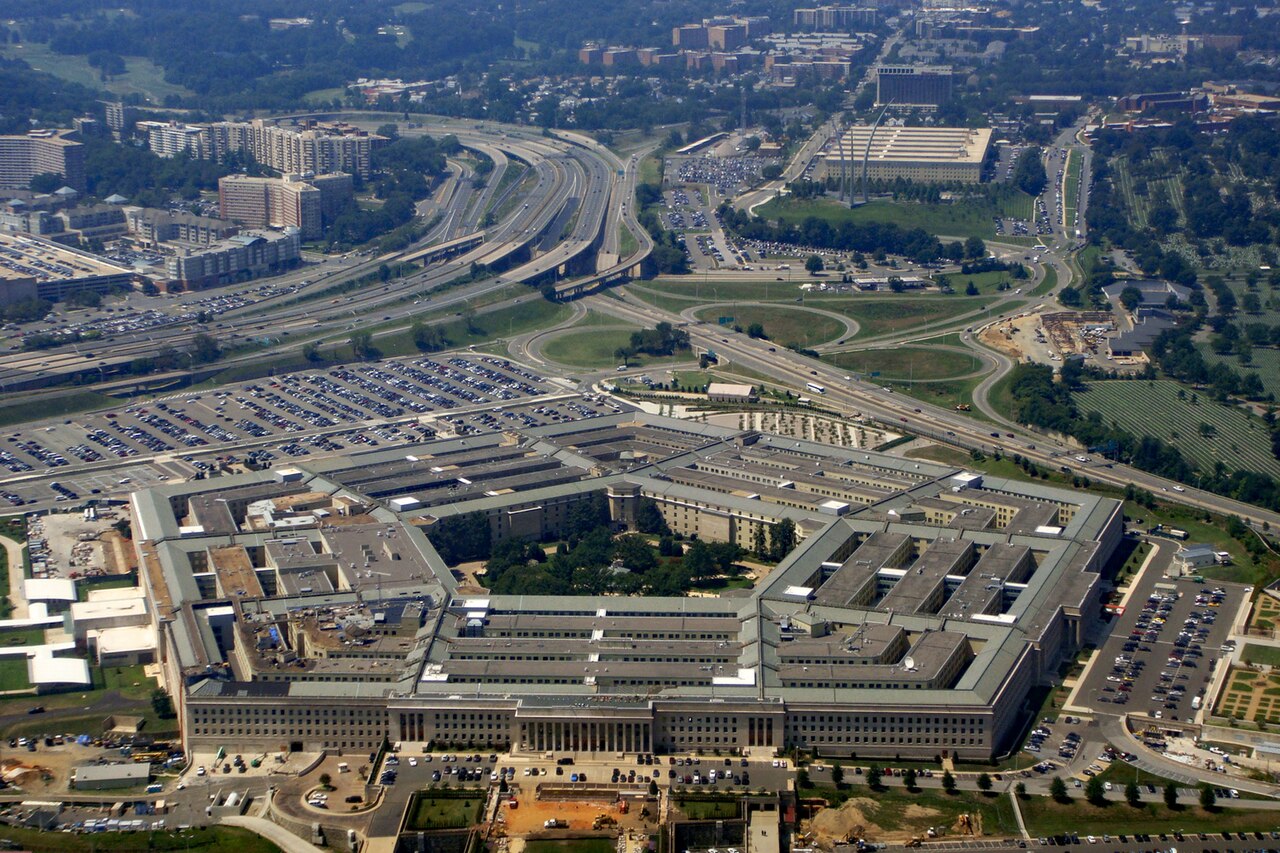
What cybersecurity lesson does Cloud One hold for Indonesia?
For Indonesia's expanding government and defense cloud programs—many built atop the same global hyperscale cloud providers—the Cloud One incident underscores how a single control-plane flaw can halt security patching across hundreds of operational sites. Adopting zero-trust isolation and resilient patch pipelines is critical to prevent one intrusion from freezing broader infrastructure defense.