There was a time when people routinely covered their laptop cameras with black tape out of fear of surveillance. Others turned off telephone microphones, covered camera holes, and lowered their voices when discussing sensitive matters. The secrets discussed were usually trivial, such as herbal drink recipes or motorcycle credit plans. Still, vigilance was considered a citizen right, even if nobody truly knew how curious intelligence agencies were about domestic household affairs.
Today, the situation has completely reversed. We now willingly activate cameras, microphones, locations, contacts, and photo galleries so apps can learn our habits. If possible, we are even ready to grant access to our minds so algorithms never confuse our desire to buy shoes with ending a relationship. The world has shifted from an era of resisting surveillance to willingly embracing it for convenience.
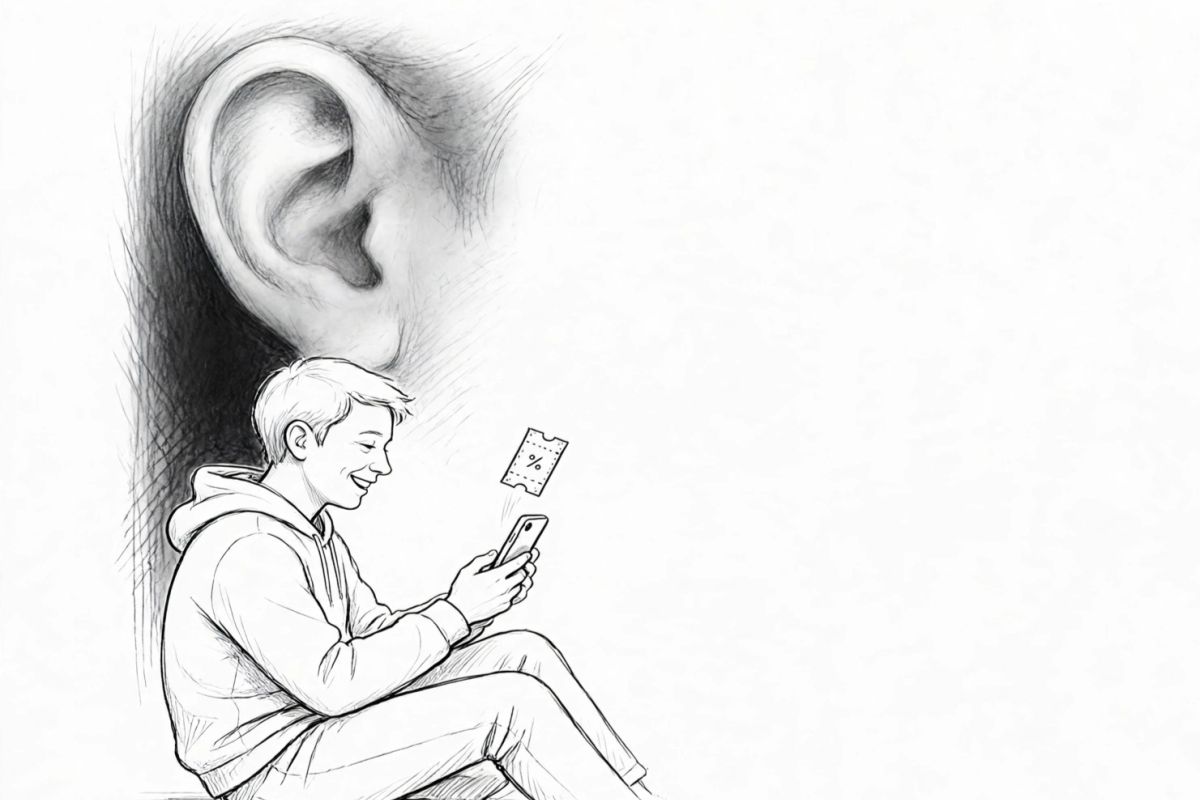
In the past, people would be furious if their phones were tapped. Today, we get offended if, after talking about shoes for five minutes, the ads appearing on our screens offer pressure cookers instead. We have entered an era where privacy is no longer something fiercely defended, but rather something voluntarily traded for discounts and tailored experiences. We do not actually mind being monitored as long as it brings useful results.
Ideally, that monitoring should translate into shopping vouchers or free shipping. Years ago, anyone eavesdropping on a neighbor was considered impolite. Today, technology companies conduct far more systematic tracking and call it user experience personalization. It is a term that sounds so friendly that we almost forget the massive business interests hidden behind it.
We no longer feel like victims of surveillance. Instead, we feel like privileged customers being closely attended to by the digital systems around us, reshaping our entire perception of personal data and digital privacy in the modern era.