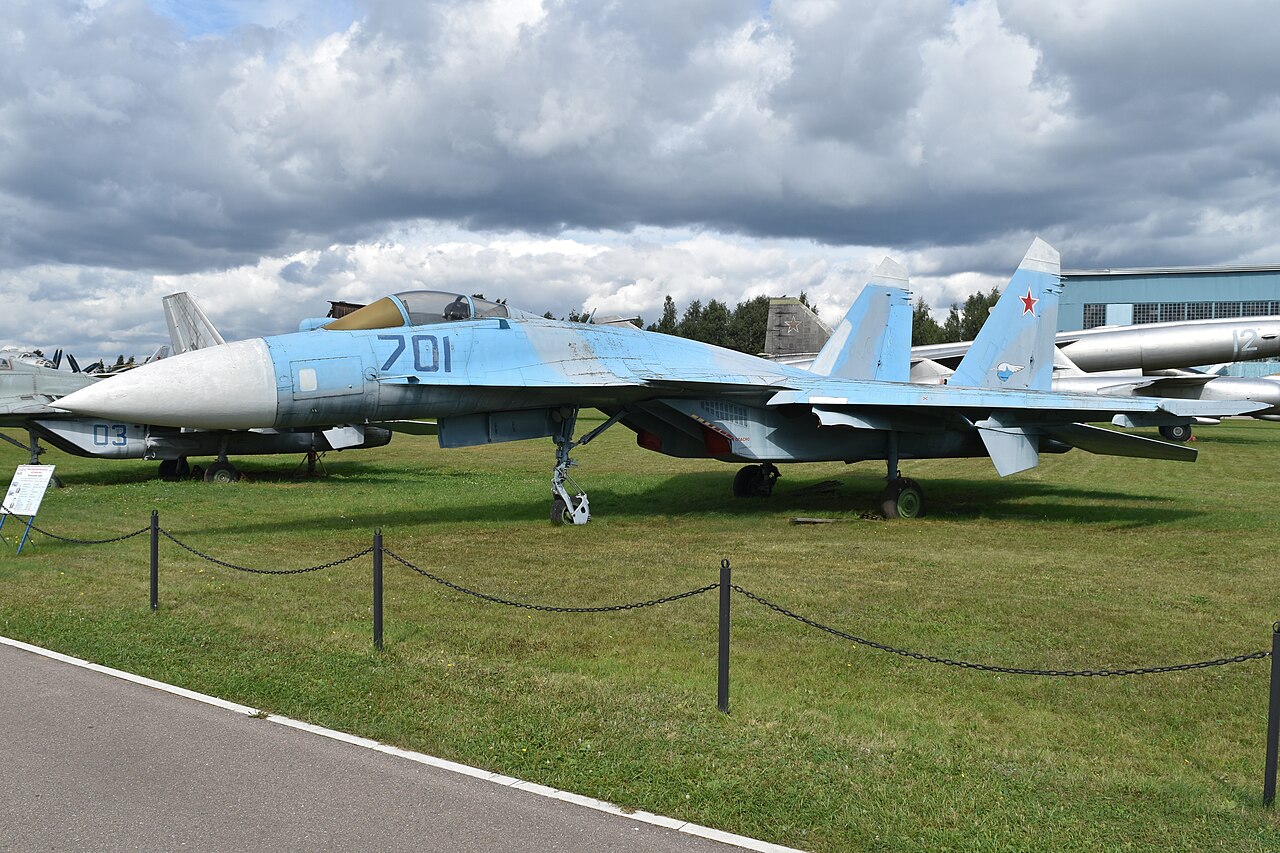
SEOULSouth Korea scrambled F-15K fighter jets and sounded an air raid evacuation alert for residents of Ulleungdo Island on Tuesday morning (Nov 24, 2026) after roughly five Russian military aircraft entered the Korean Air Defense Identification Zone (KADIZ). The Interior Ministry issued the shelter warning at 7:52 a.m. local time and lifted it three minutes later once the warplanes turned back.
How close did Russian jets come to South Korean airspace?
South Korea's Joint Chiefs of Staff said the Russian aircraft were flying at 600 to 700 kilometers per hour—roughly 200 meters per second—toward Ulleungdo, located 120 to 130 kilometers east of the Korean Peninsula. Although the Russian planes did not cross into sovereign South Korean airspace, Yonhap reported it was the first time Seoul issued a preliminary air raid alert over a possible Russian intrusion.
South Korea's Defense Ministry summoned Russian military attaché Nikolai Marchenko in Seoul on Tuesday to lodge a formal protest and demand safeguards against repeat incidents, while the Foreign Ministry raised concerns with Moscow through diplomatic channels. According to South Korean data, Russian warplanes have entered KADIZ five times in 2026, including three separate flights within the past week alone.
How does the Korea sortie tie into Russia's war in Ukraine?
The surge in Russian sorties near East Asia unfolds alongside Moscow's ongoing war in Ukraine and its deepening mutual defense partnership with North Korea, which has supplied troops and munitions to Russia. At the same time, Seoul has walked a delicate diplomatic line—earmarking US$100 million for Ukraine in its 2027 draft budget while maintaining selective fuel and coal trade with Moscow.
East Asia tensions and Indonesia–South Korea trade stakes
For Indonesia, heightened military airspace friction across the East Sea and Northeast Asia adds operational risk to regional commercial aviation corridors and threatens confidence across key East Asian supply chains. Through the first nine months of 2026 (January–September), bilateral Indonesia–South Korea trade reached US$14.81 billion—including US$7.82 billion in Indonesian exports under the IK-CEPA framework—spanning LNG, coal, and critical mineral processing.

Security analysts warn that frequent KADIZ probes—mirroring airspace alerts near Japan and NATO's eastern flank in Poland—keep regional air defense commands on hair-trigger readiness. South Korea's military vowed to continue intercepting any unannounced foreign warplanes approaching its coastal defense perimeter.