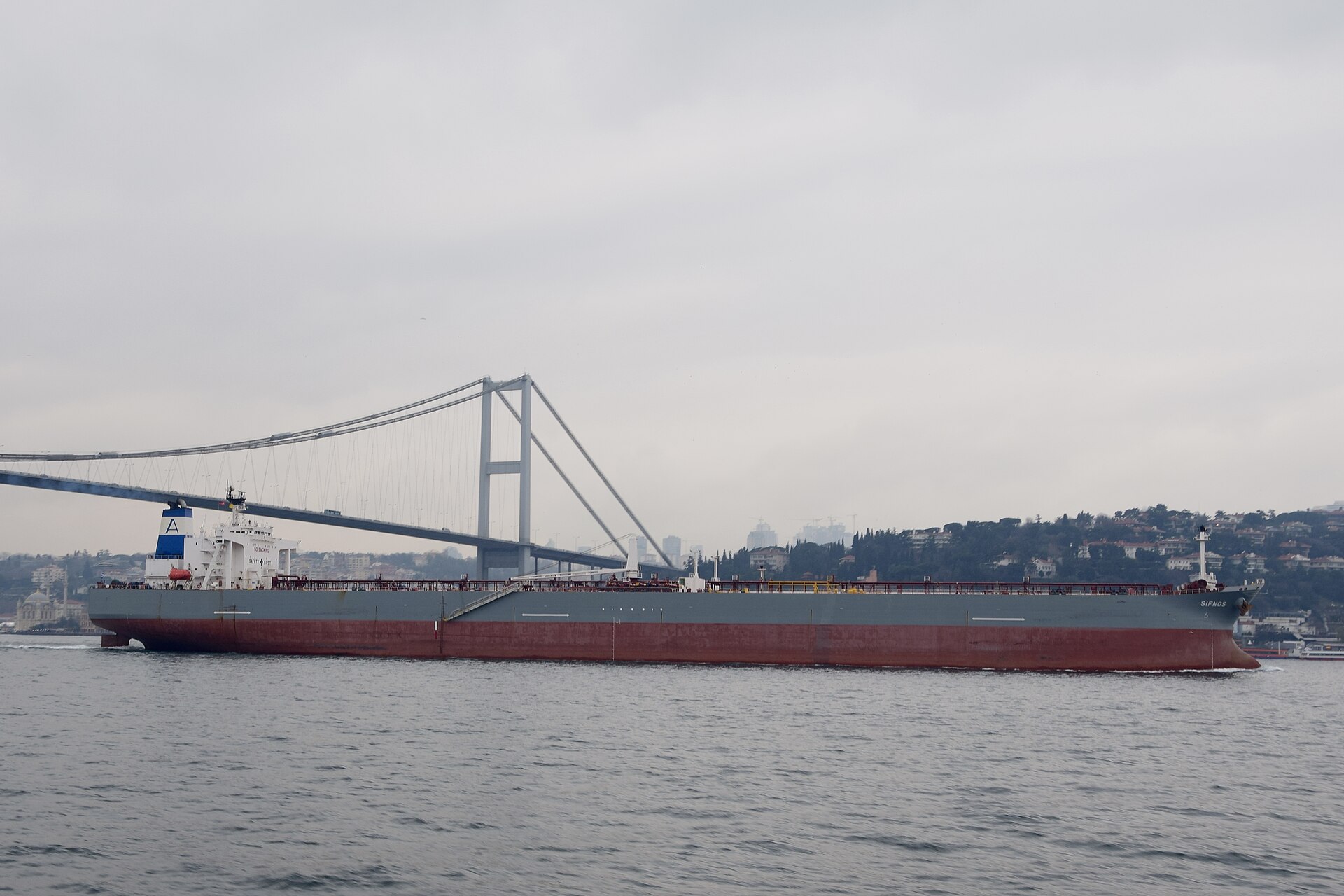
WASHINGTONU.S. federal investigators are examining suspected Iranian links to cyberattacks on as many as 50 commercial oil, liquefied natural gas, and chemical tankers sailing across Asian, European, and Atlantic shipping lanes. The probe surfaced on the same day Tehran's Gulf Waterway Management Authority blacklisted 26 tugboats in the Strait of Hormuz on Tuesday (Nov 24, 2026) for assisting ships along an alternative southern passage.
How did hackers breach systems aboard 50 commercial tankers?
Coast Guard and FBI officials said the intruders exploited unpatched vulnerabilities in Fortinet FortiGate routers widely deployed aboard merchant vessels to pivot from corporate networks into shipboard operational technology. Once inside, hackers could theoretically threaten propulsion, steering, navigation, or cargo temperature controls, though authorities confirmed no collisions, groundings, or oil spills have occurred so far.
The campaign has also included direct intimidation against crews, according to reporting cited from The Wall Street Journal. The 319,547-deadweight-ton supertanker VL Prosperity underwent cyber screening in August 2026 after receiving a bomb threat and a Russian-language Telegram ransom note, while two officers aboard a European-owned vessel received threatening phone messages written in Farsi.
Why did Iran blacklist 26 tugboats in the Strait of Hormuz?
Against the backdrop of the U.S.-Israeli war with Iran that erupted on Feb. 28, 2026, Tehran accused the 26 blacklisted tugboats of helping commercial vessels bypass Iranian oversight through the southern Hormuz channel. A freedom-of-navigation memorandum signed between Washington and Tehran on June 18 has stalled over enforcement guarantees, leaving commercial operators exposed to both physical chokepoint rules and digital disruption.
Why Strait of Hormuz risks matter for Indonesia's fuel budget
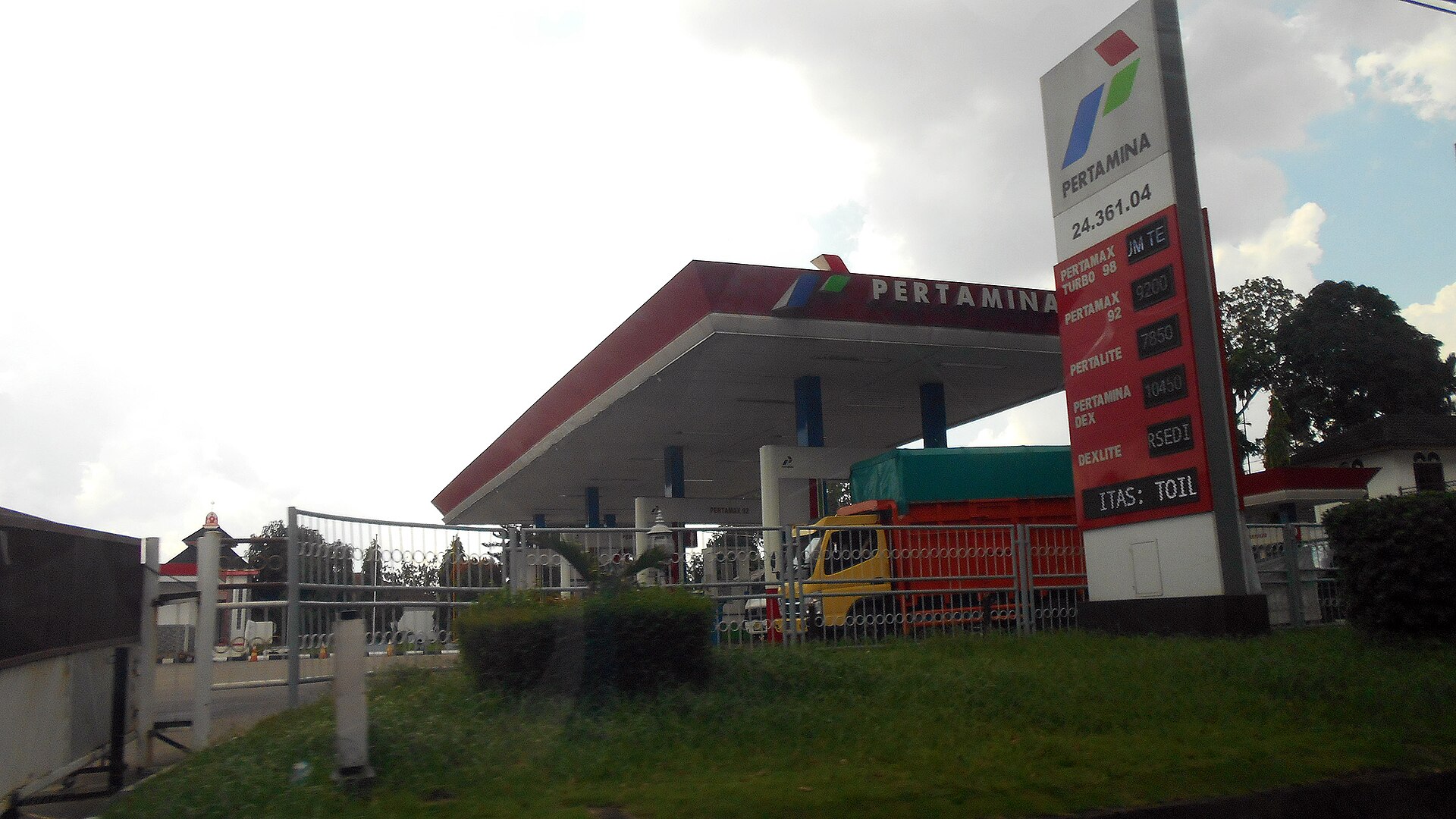
For Indonesia, disruptions around the Strait of Hormuz—which carries roughly a fifth of global seaborne oil—carry immediate fiscal stakes. With Brent crude hovering between US$88 and US$91 per barrel in late November 2026 and the rupiah closing near Rp18,227.8 per U.S. dollar (Bank Indonesia JISDOR at Rp18,204), Jakarta faces steeper import and subsidy pressure to keep subsidized Pertalite at Rp10,000 per liter and Biosolar at Rp6,800 per liter.

The U.S. Coast Guard has accelerated mandatory maritime cybersecurity rules requiring shipowners and port terminals to appoint dedicated cyber officers and submit formal defense plans by July 2027. Meanwhile, energy traders and insurers are closely tracking whether Tehran's tugboat ban triggers fresh delays or higher war-risk surcharges for Asia-bound crude cargoes.