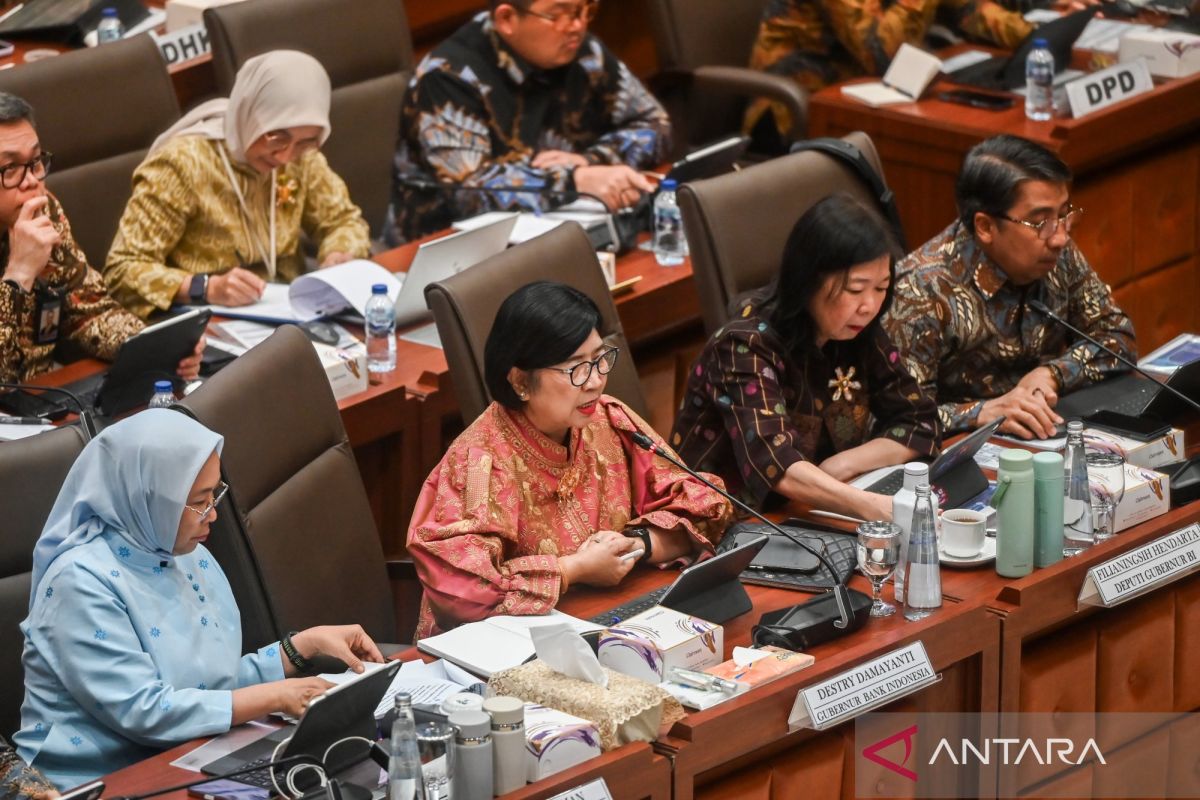
JAKARTABank Indonesia (BI) expects the rupiah to trade between 17,800 and 18,200 per US dollar throughout 2027. The assumption is part of BI's 2027 Annual Budget Plan (RATBI), which Governor Destry Damayanti presented in a working meeting with House Commission XI at the parliament complex in Senayan, Jakarta, on Wednesday (25 November 2026).
What policy rate does BI project for 2027?
What policy rate does BI project for 2027? Destry said the benchmark rate would stay at 6%, the same as the forecast for the end of 2026. "We expect the rupiah to be in a range of 17,800 to 18,200. The BI-Rate in 2027 we project at 6 percent," she said. BI had earlier raised the rate to 6% from 5.75% as a pre-emptive step to protect domestic assets, according to Antara's coverage.
Other macro assumptions are more upbeat. Economic growth in 2027 is projected at 5.2% to 6%, above the 2026 assumption of 4.9% to 5.7%. Inflation is expected to remain within the 2.5% plus or minus 1% target. Destry also said BI stays optimistic because, by the central bank's assessment, the economy is still growing below its potential capacity.
What risks hang over the rupiah projection?
What risks hang over the projection? Destry flagged a possible rise in inflation, especially if oil prices keep climbing. BI listed three global challenges: tight monetary policy in major economies lasting longer ("higher for longer"), heavy debt burdens in advanced economies that raise global rate and market-volatility risks, and a sharp rally in global tech stocks that could correct given high valuations and expectations around artificial intelligence.
How will BI keep the rupiah inside that range? Destry said exchange-rate stability will continue through 2027, including policies that encourage foreign capital inflows. Market liquidity is described as adequate through monetary operations and purchases of government bonds (SBN) in the secondary market, so that financing of the economy does not stall.

Why do these figures matter to Indonesians?
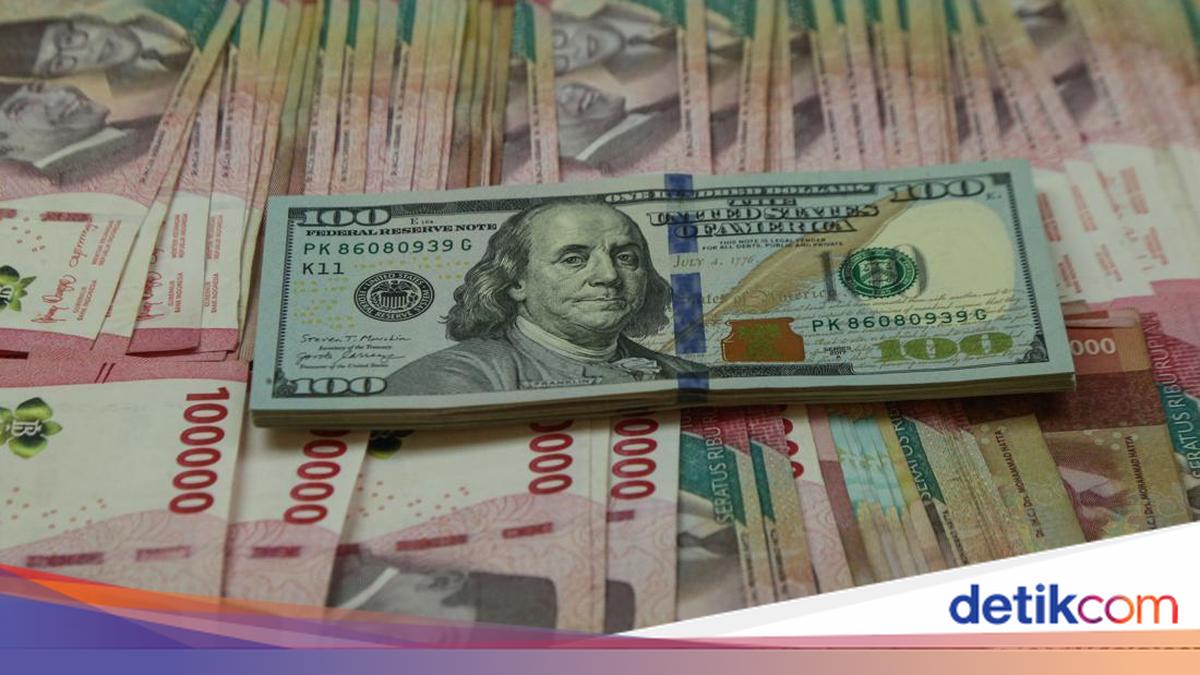
Why does the figure matter to Indonesian readers? A range of 17,800-18,200 is a reference point for the direction of imported goods prices, dollar-denominated loan repayments and the cost of travelling abroad. The 6% policy rate shapes borrowing and deposit rates. Destry's warning on oil is a reminder that household budgets can be hit through inflation if global energy turns expensive again.
The figures are planning assumptions for BI's own budget, not a target or a guarantee for the exchange rate. Deliberation of the RATBI continues in Commission XI, which at the same meeting formed working committees on revenue and expenditure. Markets will watch whether US Federal Reserve policy and world oil prices stay consistent with the 18,200 upper bound BI cited.