JAKARTAThe United States is weighing an extra tariff of up to 18% on all Indonesian goods. The US Trade Representative (USTR) announced the proposal on Wednesday (25 November 2026) after an investigation into excess industrial capacity across 14 economies. Jakarta says a signed trade deal shields its position.
What does USTR propose for Indonesia?
USTR says Indonesia pursues five practices that burden US trade: industrial policies backing production and exports, labour rules and enforcement, global overcapacity tied to non-market economies, financial repression, and sectoral policies including mineral downstreaming. It proposes duties of up to 18% under Section 301 of the US Trade Act of 1974.
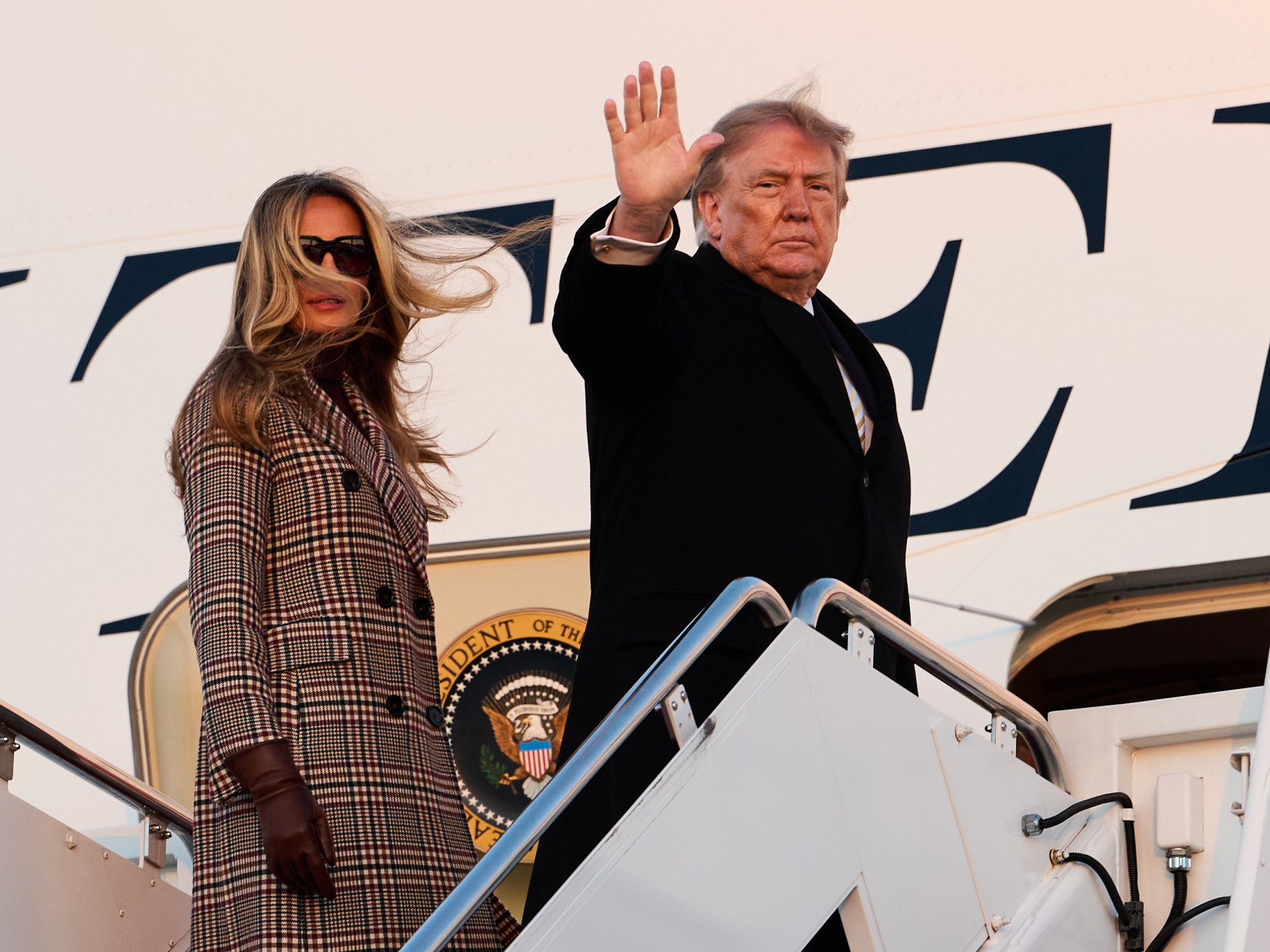
Indonesia is not alone. Al Jazeera reports the list covers Bangladesh, China, India, Japan, Cambodia, South Korea, Malaysia, Singapore, Switzerland, Taiwan, Thailand, Vietnam and the European Union, with China facing up to 20%. Probes into Mexico and Norway remain ongoing. The eight-month inquiry began after the US Supreme Court struck down President Donald Trump's sweeping global tariffs in February.
What has the Indonesian government said?
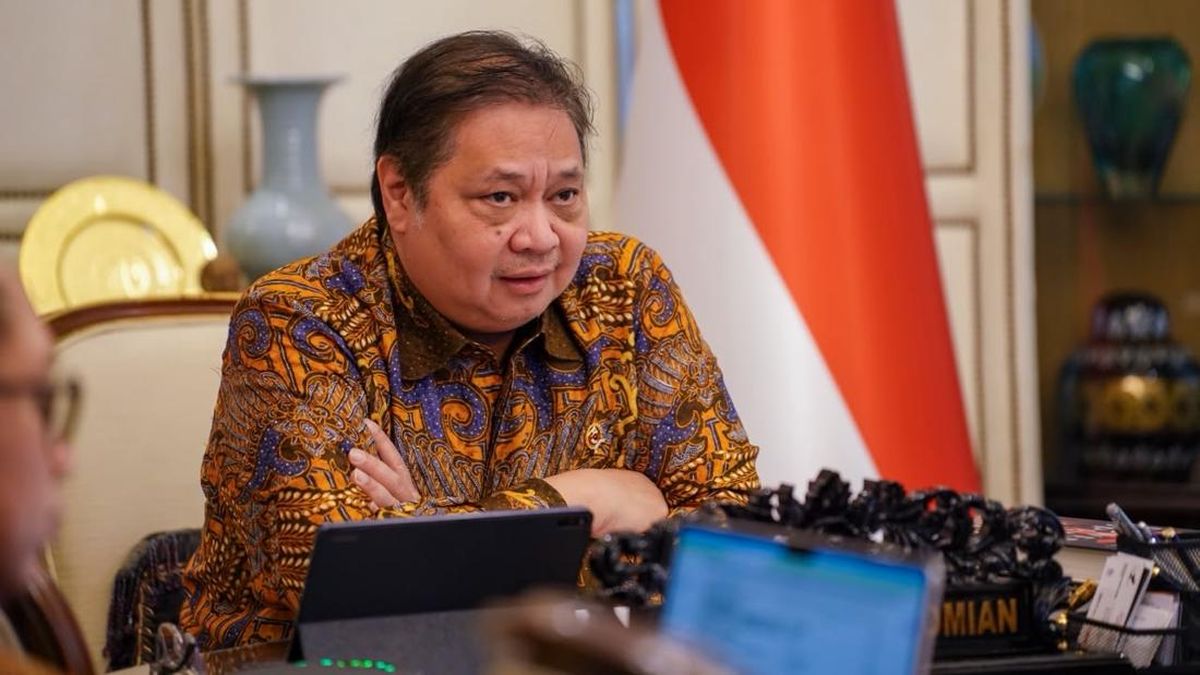
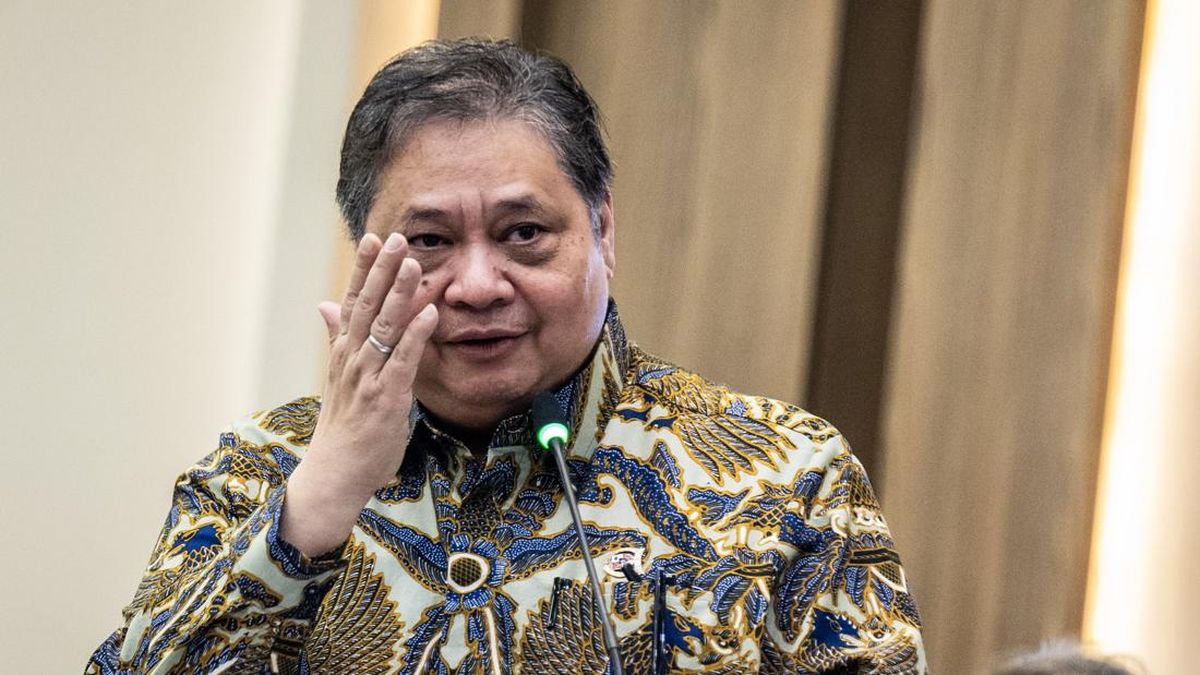
Coordinating Economic Minister Airlangga Hartarto spoke in Jakarta earlier on Wednesday before USTR's release. "Indonesia is safe. We signed the Agreement on Reciprocal Trade and the outcome aligns with it," he said, quoted by CNN Indonesia. He added the legal basis shifted from reciprocal tariffs to the overcapacity probe, "but the tariff is the same".
Airlangga said rates vary by product under Harmonized System (HS) customs codes and declined to share figures ahead of Washington's formal notice. The proposed duties could also stack on top of existing import tariffs and differ across countries and products.

How could this affect markets and Indonesia's economy?
For Indonesia, USTR's objections directly target core economic pillars: manufacturing incentives, labour enforcement and mineral downstreaming. Markets slumped on the news, with the Nasdaq down 3.9%, the S&P 500 off 2.8% and gold falling over 3%, Al Jazeera reported. CNAS fellow Rachel Ziemba warned of higher inflation and macro volatility in 2027.
The tariffs remain a proposal ahead of mid-December's G20 meetings, which analysts view as a window for talks. The EU and China rejected Washington's overcapacity claims, while Jakarta has yet to outline steps beyond relying on its bilateral trade pact.