JAKARTAIndonesia's Finance Ministry confirmed on Thursday, November 19, 2026, that an extra Rp20 trillion state budget injection for public health insurer BPJS Kesehatan will be fully disbursed before year-end. Speaking at the Indonesia Stock Exchange in Jakarta, Deputy Finance Minister Suahasil Nazara said the first Rp10 trillion tranche has already been released, with the remaining Rp10 trillion scheduled for November or early December at the latest.
How much did the 2026 state health subsidy budget increase?
The fiscal top-up raises 2026 state funding for National Health Insurance Contribution Assistance Recipients (PBI JKN) from Rp47 trillion to Rp67 trillion. Suahasil explained that the transfer directly supports BPJS Kesehatan's liquidity so it can settle medical service claims owed to hospitals and partner clinics on time.
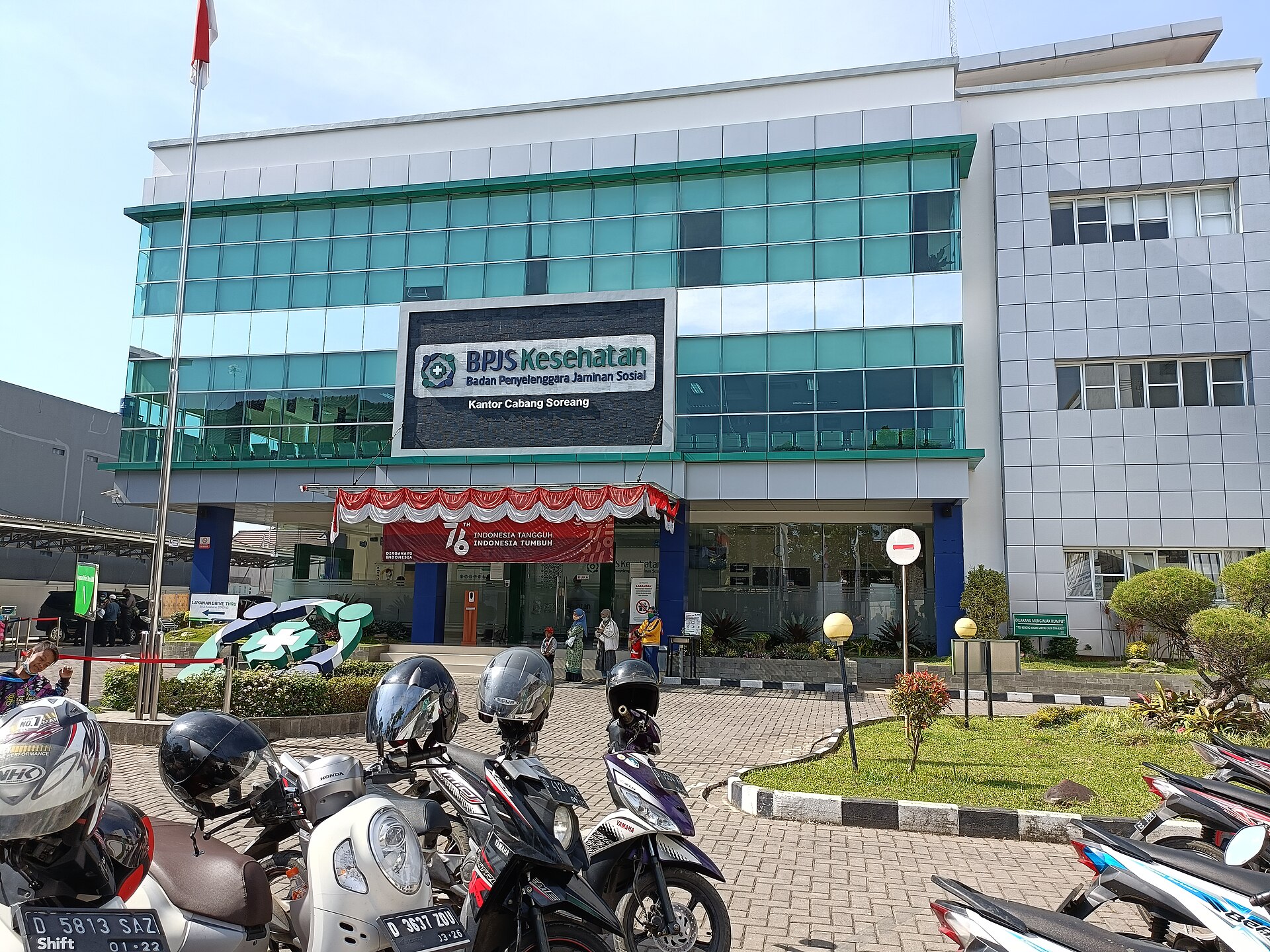
Audited financial statements highlight the strain behind the bailout. BPJS Kesehatan posted a Rp17.13 trillion social security contract deficit in 2025—jumping 123.8 percent year-on-year—while net assets in the JKN Fund fell by Rp18.75 trillion, more than double the Rp7.20 trillion drop recorded in 2024.
What financial pressures triggered the Rp20 trillion rescue?
By end-2025, JKN Fund net assets had fallen 38.43 percent to Rp30.03 trillion from Rp48.79 trillion a year earlier, while liabilities climbed to Rp36.44 trillion. Operating cash flow ran a Rp19.31 trillion deficit as Rp195.79 trillion in outlays outpaced Rp176.48 trillion in receipts, forcing Rp44.52 trillion in investment liquidations that left investment holdings at just Rp3.15 trillion.

Health Minister Budi Gunadi Sadikin noted that the two-part Rp20 trillion package followed joint approval with the finance and human development ministries under strict conditions from President Prabowo Subianto. Prabowo instructed hospitals to shorten patient waiting queues and serve BPJS Kesehatan cardholders on equal footing with self-paying patients.
Hospital queue reforms and fiscal outlook
Disbursing the final Rp10 trillion eases working-capital risks for public and private hospitals closing their 2026 books. As Indonesia expands social coverage—including BPJS protections tied to the Rp5.68 trillion 2027 national internship program reported by AIGOS News on November 18—claim governance and shorter clinic queues will determine long-term sustainability.