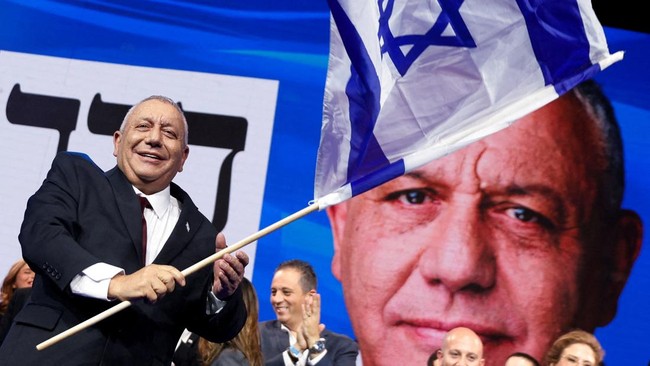
Israeli opposition leader Gadi Eisenkot condemned settler attacks on Palestinian villages in the West Bank as Jewish terrorism, as he seeks to form a new government after an election cost caretaker Prime Minister Benjamin Netanyahu his parliamentary majority.
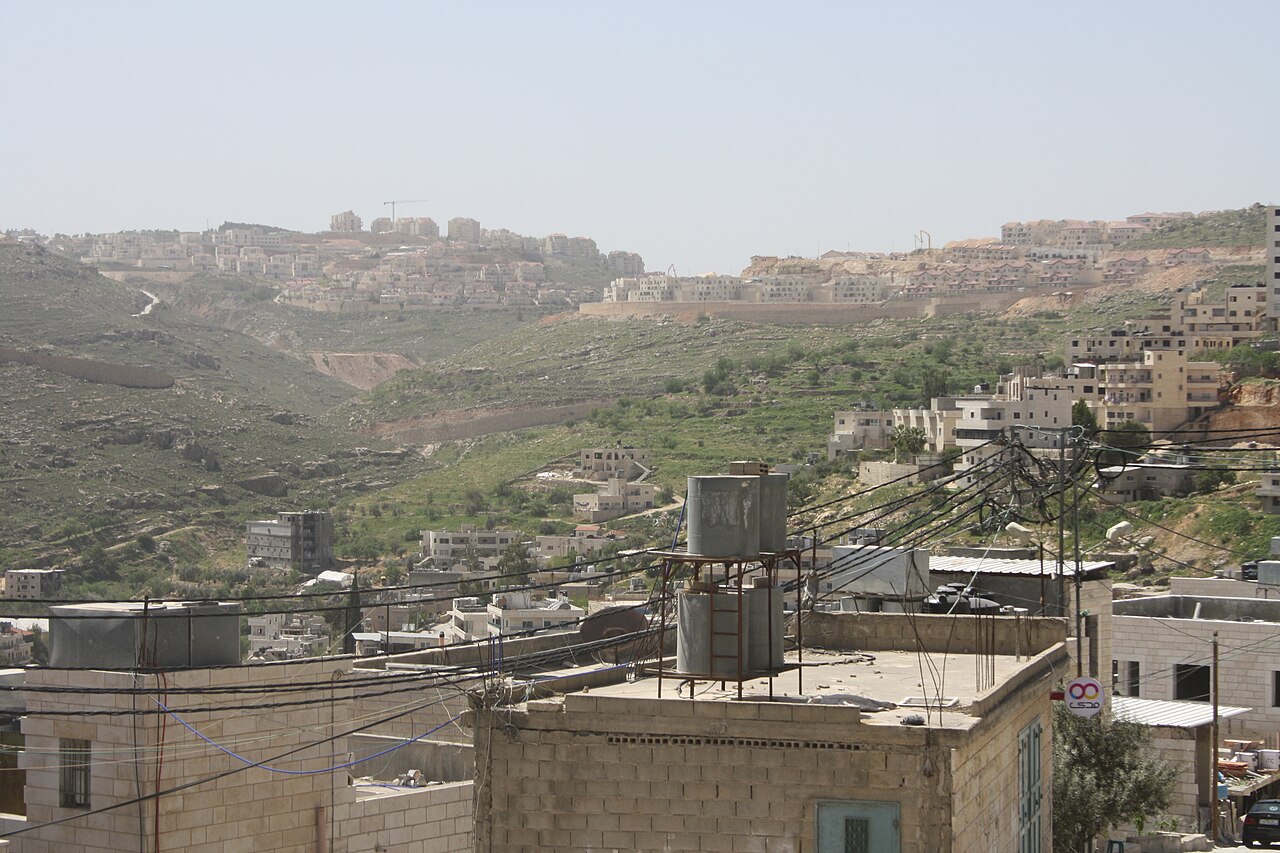
Local residents said militant settlers attacked Palestinian villages near Ramallah early on Sunday, November 22, 2026, according to a Reuters report cited by CNBC Indonesia. Several Palestinian-owned vehicles were seen burned out, and walls were marked with slogans including a call for revenge. No injuries were reported and no one immediately claimed responsibility.
Eisenkot said extremists who burned vehicles and homes were undermining regional stability, endangering lives and harming Israel's national security and foreign relations. He blamed policies pursued by two ultranationalist ministers in Netanyahu's cabinet, Itamar Ben-Gvir and Bezalel Smotrich, for worsening security and pushing the area toward anarchy.
Israeli police said they had opened an investigation, while the military condemned the violence. The military said soldiers and police were deployed to Deir as-Sudan, Deir Abu Masha'al, Kafr Malik and At-Tuwani after reports and footage of burned vehicles and graffiti.
Ben-Gvir responded on social media platform X, accusing Eisenkot of compromising to bring Arab parties into a new government. Joint List leader Yousef Jabareen said the violence was not isolated and accused government policy, as well as encouragement from Ben-Gvir and Smotrich, of contributing to attacks on Palestinian civilians.
Smotrich supports expanding settlements and Israeli annexation of the West Bank. United Nations bodies and most countries regard the settlements as illegal and an obstacle to an independent Palestinian state, a position Israel disputes. Violence has escalated since the 2023 Hamas attack from Gaza.
President Isaac Herzog has asked Eisenkot, leader of the centre-right Yashar party, to form a government. The new parliament was sworn in on November 10 following the October 27 election, but no permanent government has been formed. Eisenkot will likely need Arab party support for a majority in the 120-seat parliament unless he forms a unity government with Netanyahu. If no one succeeds, another election will be held next year.