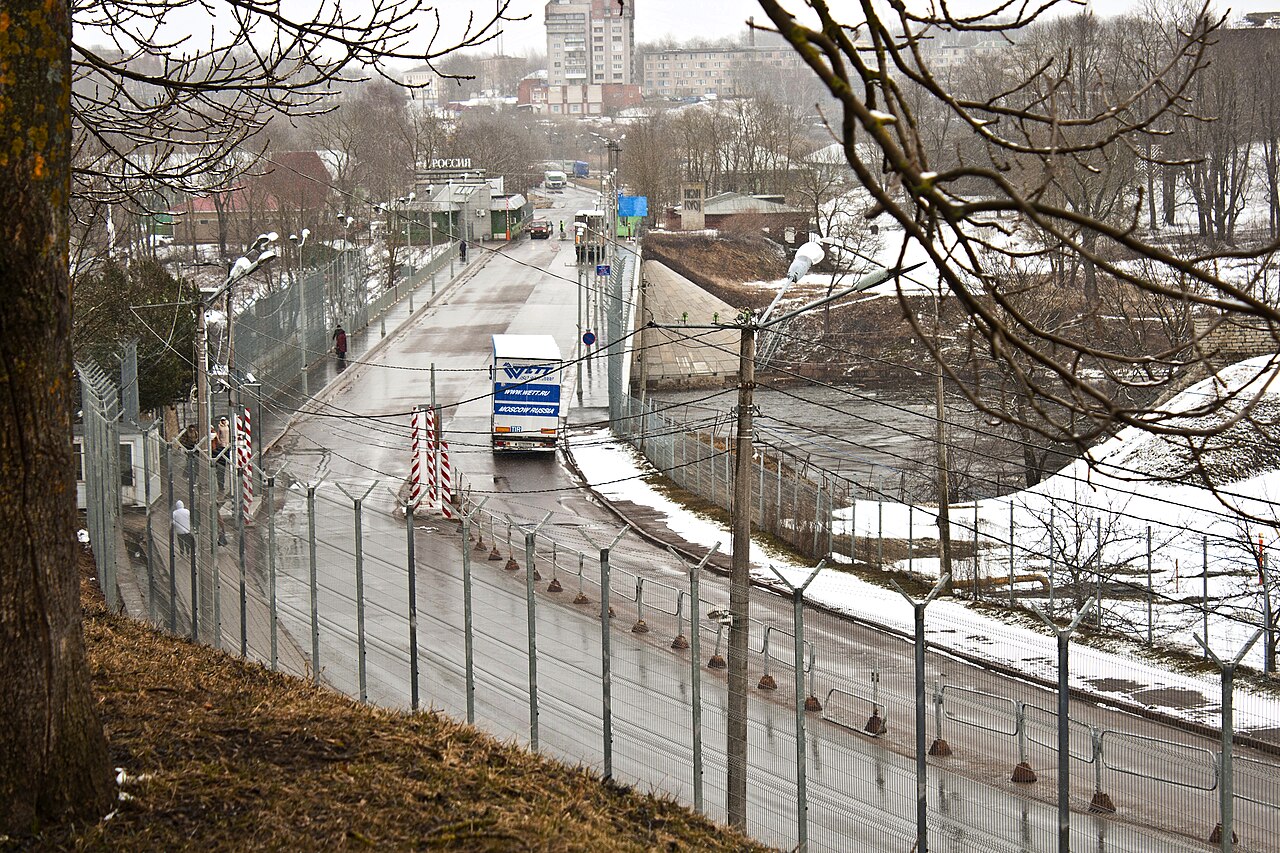
TALLINNEstonia has announced it will close all five land border crossings with Russia for at least six months starting December 1, 2026, citing escalating security and sabotage threats. Interior Minister Igor Taro told Reuters on Sunday, November 22, 2026, that Tallinn suspects Russian intelligence orchestrated a second arson attempt against an Estonian defense firm this year and tried to intimidate or recruit travelers at checkpoints.
How many travelers use Estonia's border crossings with Russia?
Roughly 760,000 people crossed between Estonia and Russia in 2026—including 307,000 Russian citizens, 175,000 Estonians, and 54,000 Finnish nationals—often passing through the Russian-speaking border city of Narva. Estonia follows northern neighbor Finland, which shut its Russian crossings in 2023, while southern Baltic states Latvia and Lithuania have kept theirs open for now.
Moscow denied any link to the weekend arson attempt and warned of political and diplomatic retaliation if Estonia proceeds with the closure. Russian Foreign Ministry spokeswoman Maria Zakharova accused Tallinn of seeking to erect a new Iron Curtain under false pretexts of an eastern threat.
What happened to Russian cargo ship Sparta II in the Gulf of Finland?
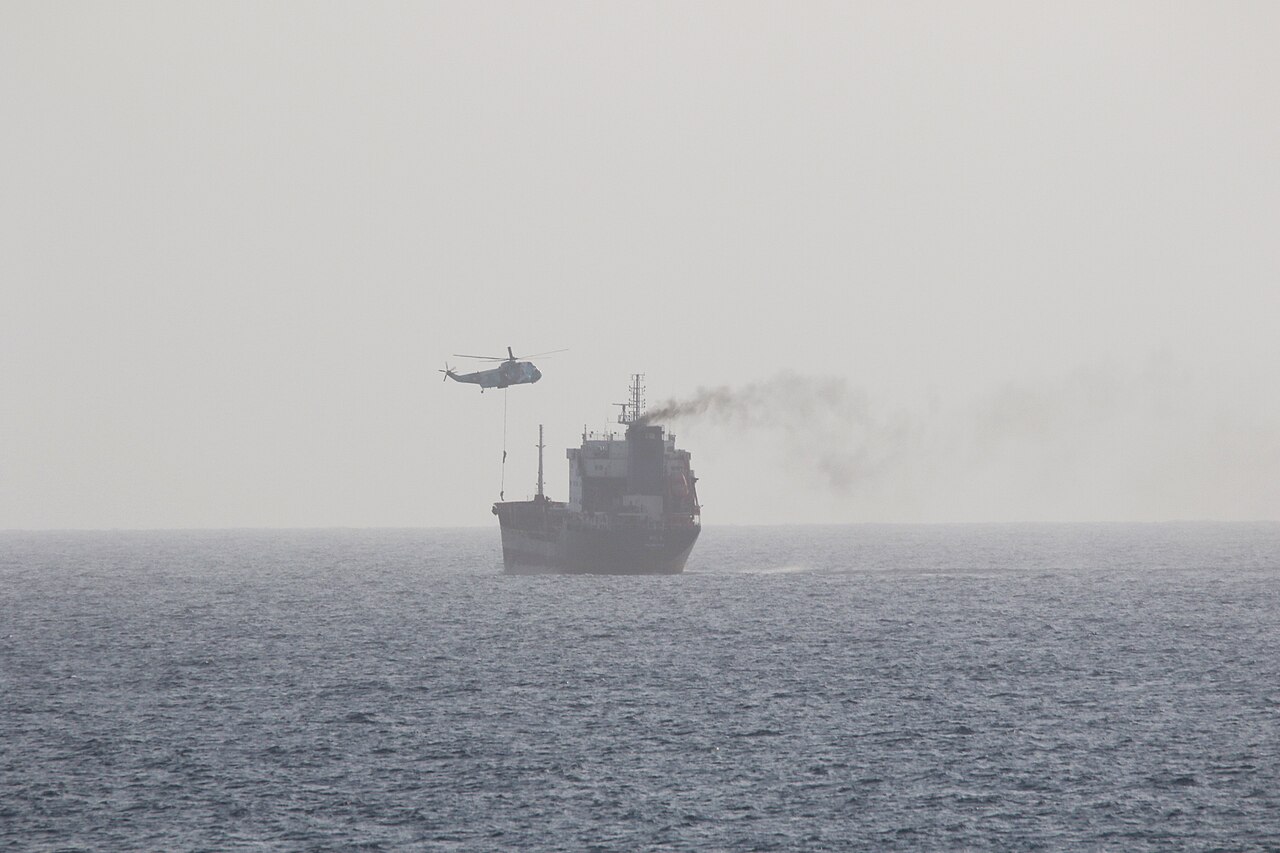
Maritime tensions across the Baltic region spiked simultaneously on Saturday, November 21, 2026, when the U.S.- and Ukraine-sanctioned Russian cargo ship Sparta II caught fire after a suspected two-drone strike 50 kilometers west of Suursaari island in the Gulf of Finland. The Kaliningrad-bound vessel, linked to Russia's defense ministry logistics network, drifted into Finnish waters with one crew member sustaining minor injuries.
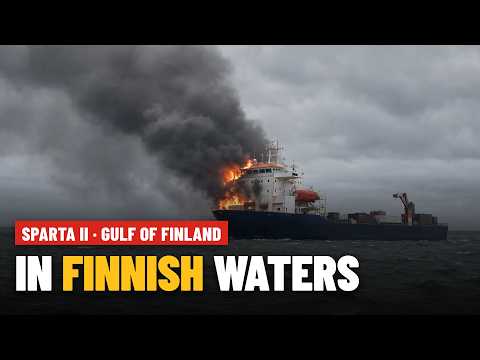
Finnish defense forces said Ukraine was likely responsible for the strike and briefed NATO allies, while Russian rescue ship Murman led towing operations alongside Finnish and Estonian naval vessels with no hazardous leaks detected. Finnish Prime Minister Petteri Orpo warned that the war is spilling into nearby waters as Helsinki investigated a suspected Russian helicopter airspace violation.
How could Baltic disruption affect Indonesia's wheat and fertilizer supply?
Why it matters for Indonesia: expanding conflict across Baltic waters threatens the fallback export route Russia relies on after Ukrainian drone strikes disrupted Black Sea terminals such as Novorossiysk. Kontan and DW report that Russia boosted Baltic grain-handling capacity 173 percent to 23.5 million tons annually at Ust-Luga, Vysotsk, and St. Petersburg—repurposing fertilizer terminals for 60 percent of wheat exports—yet grain lobby chief Ksenia Bolomatova warned shipments to distant buyers including Indonesia face disruption alongside higher maritime freight costs.