The World Food Programme and the International Organization for Migration warned on Tuesday, November 17, 2026, that Gaza’s humanitarian crisis was worsening as winter set in. Food aid has been cut while flooding damages shelters and destroys supplies stored by displaced families. The two agencies estimate that more than 1.7 million people remain displaced and about 1.98 million need shelter assistance.
Cuts to food assistance
In some hard-to-reach areas, the WFP now distributes hot meals every other day. It has also cut food parcels and cash assistance. Shaun Hughes, the agency’s Palestine director, told a United Nations briefing in Geneva that the cuts had reduced assistance for about 500,000 people each month.
The WFP and IOM said about 1.4 million people in Gaza faced acute hunger. Up to 1.9 million could face acute food insecurity by the end of 2026 if aid cannot be sustained, the agencies warned. That higher figure is a conditional projection. A July assessment by the Integrated Food Security Phase Classification found that improvements after the October 2025 ceasefire depended heavily on assistance.
Flooding damages shelters
Heavy rain began on November 6. In its November 13 update, the UN Office for the Coordination of Humanitarian Affairs reported alerts of damage to more than 40,000 family shelters and estimated that around 46,000 households had been affected. Some families lost food stored in their tents. The office warned of health risks from floodwater contaminated with sewage.
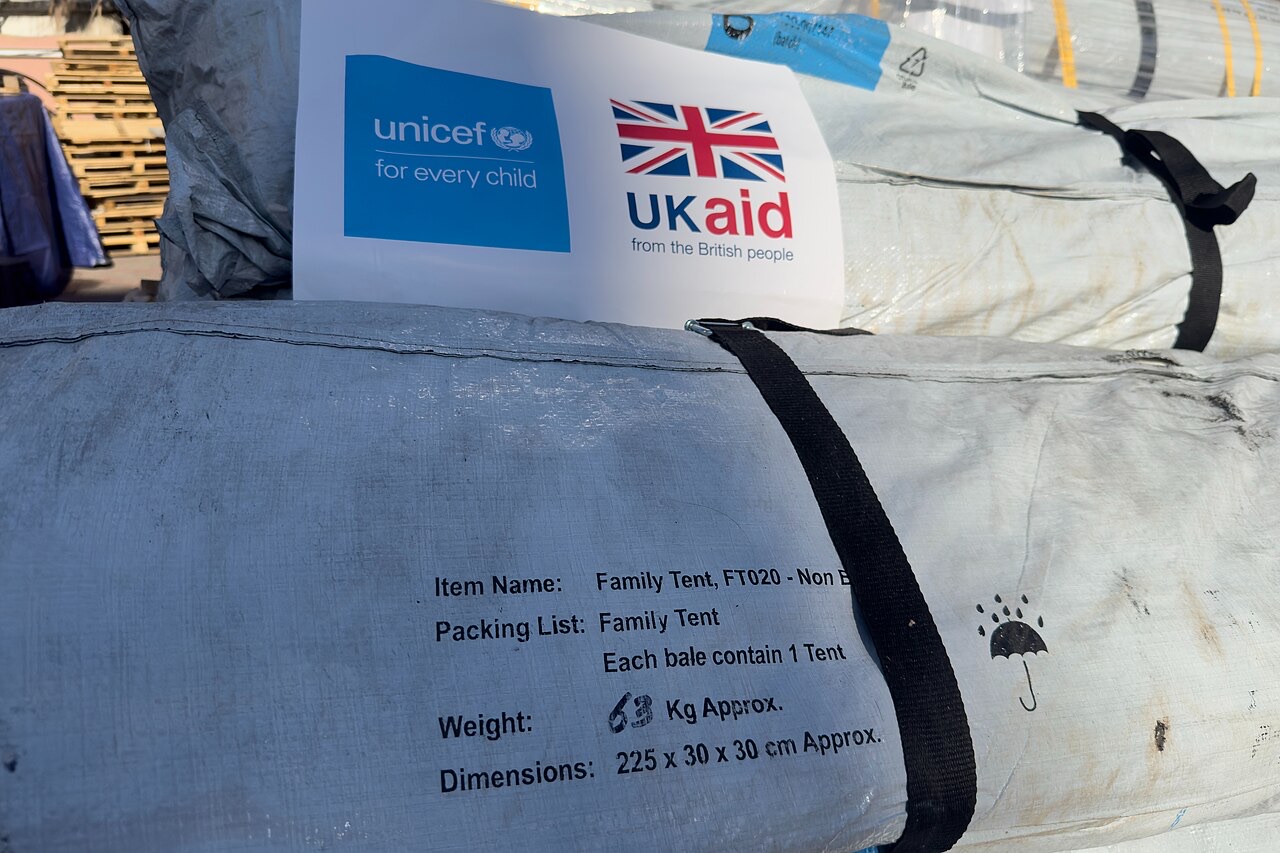
The IOM estimates that more than half of Gaza’s roughly 1,700 displacement sites are in flood-prone areas. It needs $173 million to sustain shelter assistance, including tents, tarpaulins, blankets and repair materials. Another $9 million is needed to manage and improve sites, including drainage and lighting.
Separately, OCHA reported that aid organisations delivered shelter and household supplies to 10,690 households from November 2 to 9. Items included tarpaulins, tents, mats and winter clothing. Work at displacement sites included placing sandbags to reduce the risk of further flooding.
Crossing restrictions and funding gaps
Kerem Shalom, also known as Kerem Abu Salem, was the only authorised crossing for commercial and humanitarian goods when the agencies issued their warning. Restrictions on the main north–south route make deliveries to northern Gaza slower and more expensive. Supplies such as water pumps, fuel, heaters and spare parts also face delays or entry restrictions.
The WFP reported a funding shortfall of $436 million to reach two million people across Gaza and the West Bank over six months. The estimate covers operations in both territories. At the Geneva briefing, the agency called for faster approvals for relief supplies and more crossings, particularly to reach northern Gaza.