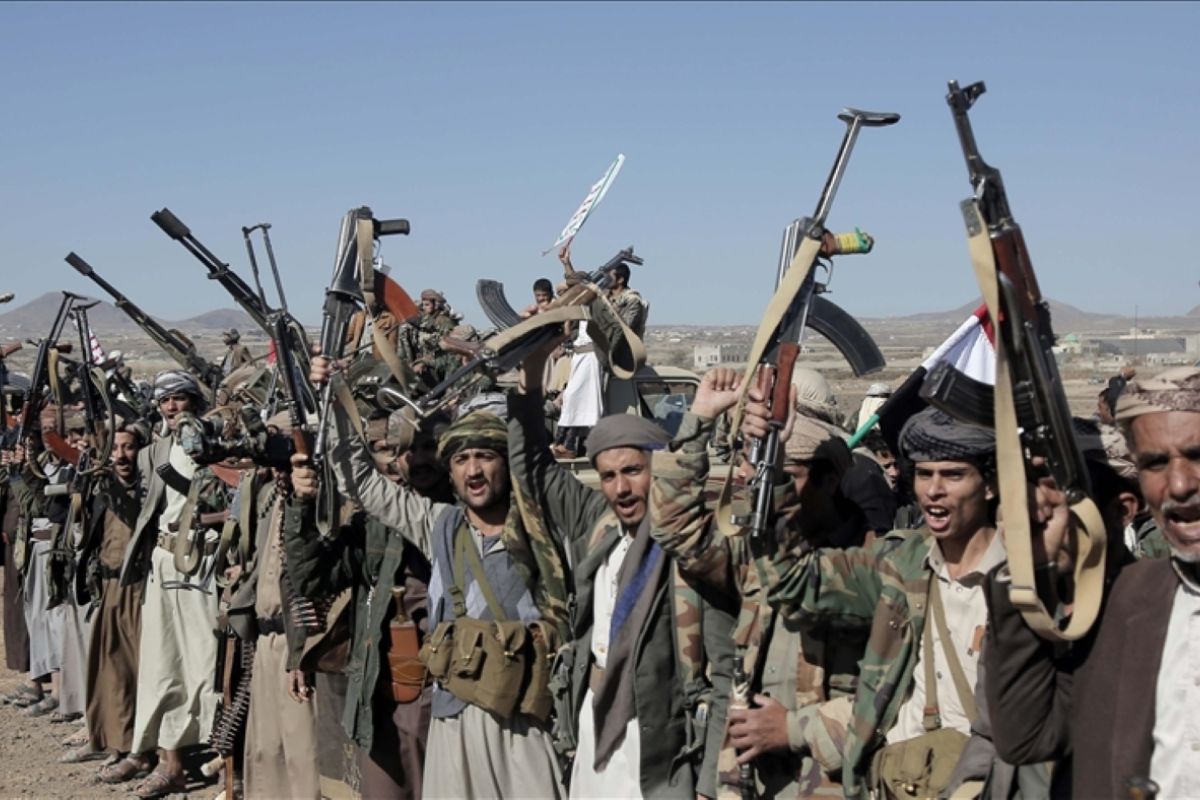
The Houthi movement has drawn intense international attention after launching a series of missile and drone attacks targeting various regions in Saudi Arabia in October 2026. A primary target of these strikes was the King Khalid International Airport in Riyadh, which resulted in fatalities, hundreds of injuries, and significant disruptions to commercial flight operations.
The escalation of attacks in recent days demonstrates that the long-standing conflict between the Houthis and Saudi Arabia has entered a critical and dangerous phase. This situation has also heightened global concerns regarding the potential expansion of warfare across the Middle East, a region already strained by deep geopolitical tensions involving Iran, the United States, and Israel.
According to reports, the series of attacks on the Riyadh airport over the course of a week resulted in at least 18 deaths and injured over 300 individuals. The Houthi leadership has claimed responsibility for these operations and threatened to expand their strikes against other Saudi airports and strategic installations unless the Saudi military campaign in Yemen is halted.
The roots of the conflict between the Houthis and Saudi Arabia are deeply intertwined with Yemen's political crisis, which escalated significantly between 2011 and 2015. Amid domestic instability and a fractured political transition, the Houthi movement seized control of the capital city of Sanaa, prompting a military intervention led by Saudi Arabia in March 2015 to restore the internationally recognized government.
Several key factors explain the ongoing Houthi attacks against Saudi Arabia, including retaliation for Saudi military operations and airstrikes within Yemen. Furthermore, targeting vital infrastructure such as airports and oil facilities serves as a strategic pressure tactic to force Riyadh to end its military intervention, compounded by broader regional rivalries between Saudi Arabia and Iran.