Keeping vegetables fresh starts at the store. Look for produce with its natural color and a firm or crisp texture, depending on the variety. When buying spinach, water spinach, lettuce or mustard greens, check that the leaves still look fresh and show no yellowing. Set bruised or damaged vegetables aside before putting the rest away.
Wash most vegetables under running water just before cooking or eating them. If you wash them ahead of time, remove excess water before refrigerating them. Use clean, ventilated containers or perforated bags to let air circulate. For leafy greens, clean paper towels can absorb excess moisture. Replace the towels if they become too wet.
The U.S. Food and Drug Administration recommends keeping refrigerators at 40 degrees Fahrenheit, or about 4 degrees Celsius, or below for perishable foods. Use the crisper drawer for vegetables such as broccoli, carrots, lettuce and green beans, and leave enough space for cold air to circulate. Keep lettuce, broccoli, cucumbers and carrots away from apples, bananas, avocados and tomatoes. These foods release ethylene, which can cause sensitive vegetables to yellow, soften or lose freshness sooner.
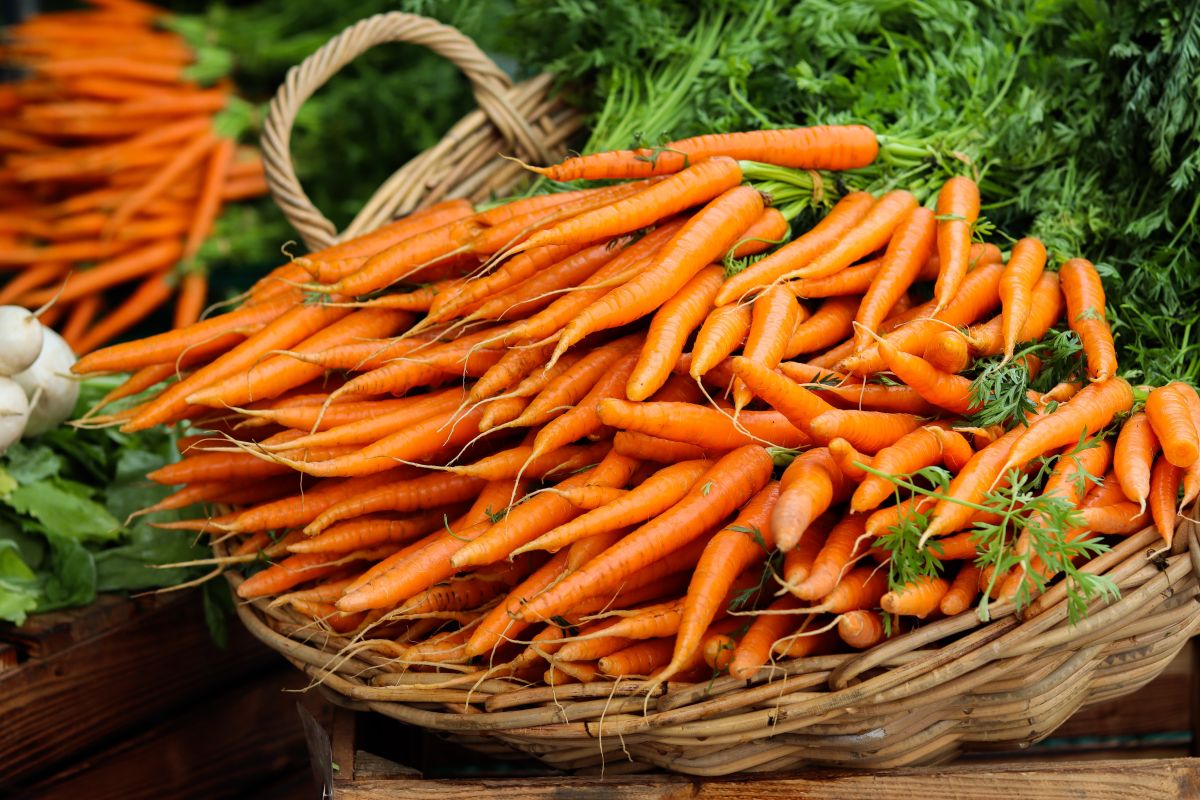
Trim any leaves still attached to carrots and radishes before refrigerating them, since the leaves can draw moisture from the roots. Store whole shallots and garlic in a cool, dry place with good airflow. Whole potatoes also need a cool, dry, well-ventilated spot, away from light.
Check stored vegetables regularly and remove any that turn slimy, develop mold or begin to smell unpleasant. Use older purchases first so they do not get overlooked. Carrots, green beans, broccoli and peas can be frozen to extend their storage life if they will not be used soon.