The International Court of Justice has found Myanmar responsible for genocide against the Rohingya during its 2017 military campaign. Thursday's nine-to-six ruling marked the first time in the court's 80-year history that it has held a state responsible for committing genocide.
Myanmar argued that its so-called clearance operations followed attacks by the Arakan Rohingya Salvation Army (ARSA) and were fundamentally a counterterrorism response. The court concluded, however, that the evidence taken together established an intent to destroy a substantial part of the Rohingya population in northern Rakhine state, the specific intent required for a finding of genocide.
The court found that Myanmar's government forces killed thousands of Rohingya civilians, committed widespread sexual violence and attacked children and people fleeing toward Bangladesh. In a separate 10-to-five vote, it ordered reparations including safe, voluntary and dignified return, family reunification, property restitution and compensation where restitution is impossible.
The judgment is final and binding, but the ICJ has no enforcement arm. Noncompliance can be referred to the UN Security Council, where China or Russia could block action. Conditions in Rakhine have also changed: the Arakan Army now controls most of the state, and UN investigators have documented abuses against Rohingya under its rule.
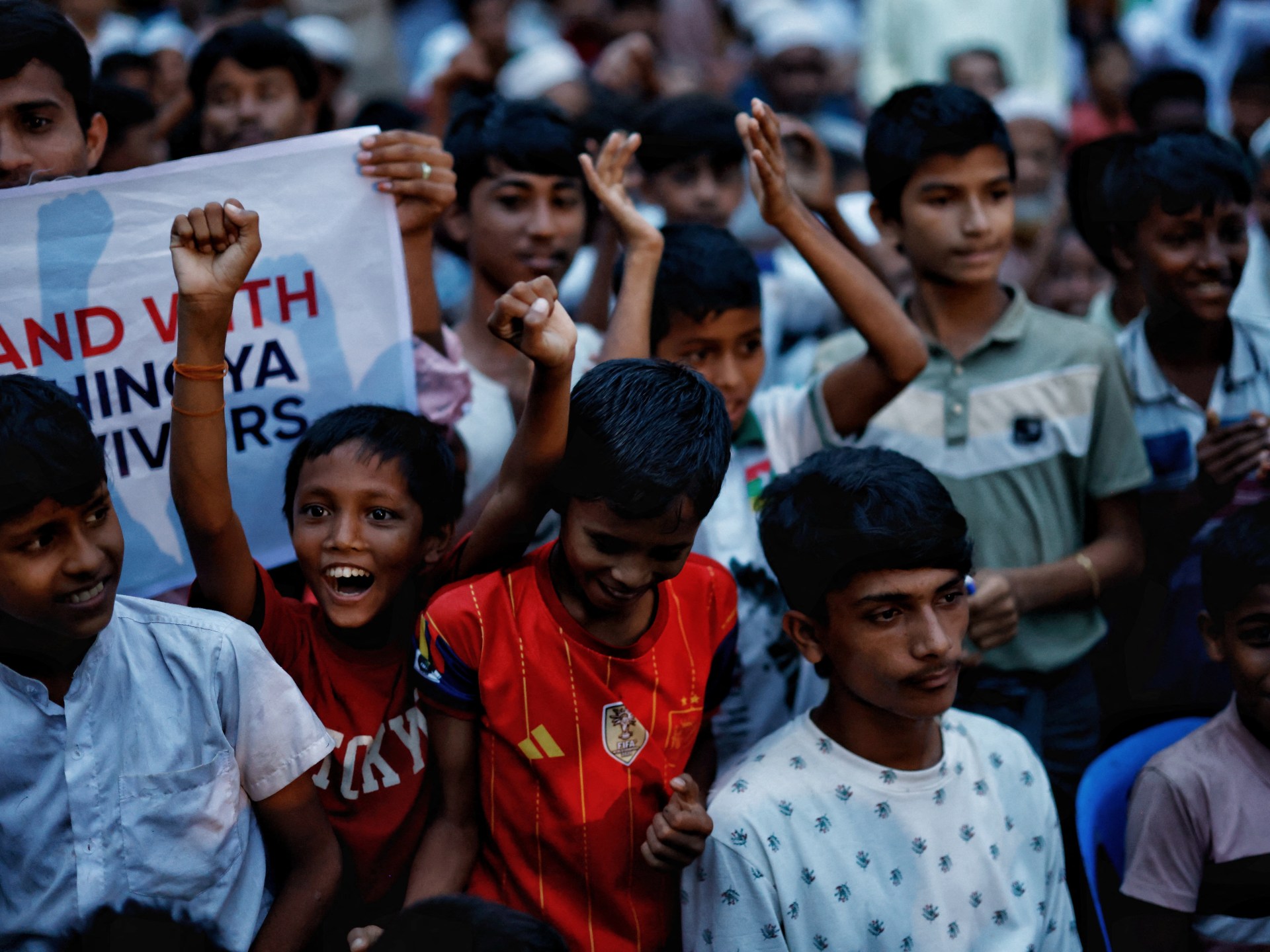
Refugees in Cox's Bazar want to return with rights, citizenship and dignity. About 95 percent of Rohingya refugees are moderately to highly vulnerable and rely almost entirely on aid. The UN's 2026 response plan seeks $710.5 million; underfunded camps also bring risks of trafficking, exploitation and dangerous sea journeys toward Malaysia and Indonesia.