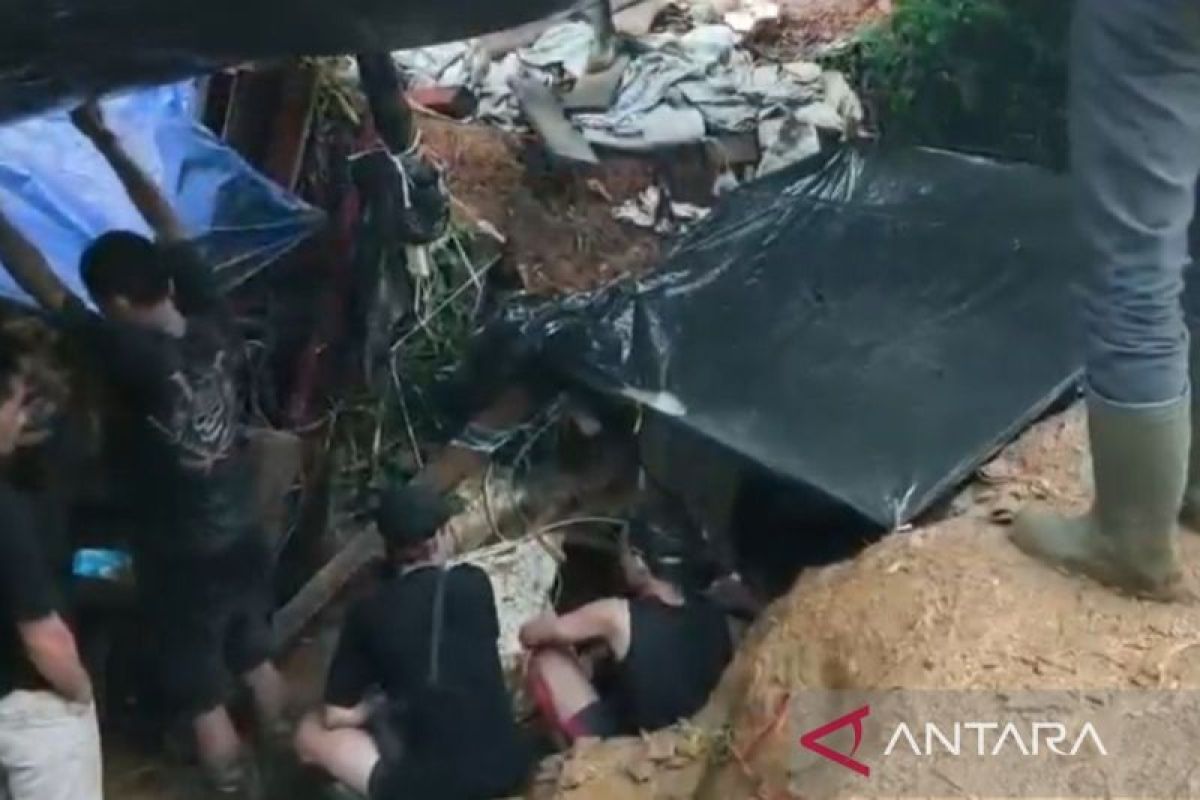
BOGORThirteen bodies have been recovered from two illegal gold mine shafts in Nanggung, Bogor Regency, West Java, as of early Thursday (26 November 2026), police said. West Java Police Chief Inspector General Hengki stated that 13 other unlicensed miners remain trapped and unaccounted for, matching reports from 26 families. Joint rescue teams are scheduled to resume the search at 08:00 WIB.
How did the Pongkor mine shafts flood?
How did the shafts become flooded? Police and the National Search and Rescue Agency (Basarnas), cited by Detikcom and Antara, said the miners entered two pits in Ciguha hamlet, Bantar Karet village, inside the Mount Butak area on Monday afternoon (23 November). Heavy rain struck around 18:00 WIB, causing the nearby Ciseureuh River to swell by 23:00 WIB and pour into the tunnels.
Hengki said 19 miners were trapped in one shaft and seven in the second. Of the 13 bodies brought to the surface so far, six have been identified using ante-mortem and post-mortem records by the West Java Police Disaster Victim Identification (DVI) unit. Bogor Police have opened a DVI post backed by the Kramat Jati Police Hospital and placed ambulances on standby.

Why is recovering the remaining 13 miners so difficult?
Why has the recovery effort proven so difficult? Jakarta SAR head Desiana Kartika Bahari and Bogor Police Chief Adjunct Senior Commissioner Arfan Zulkan Sipayung pointed to vertical depths of 100 to 150 metres, cramped passages, slippery mud, poor lighting, persistent floodwater requiring pumps and unstable soil prone to landslides. Operations were briefly halted early Wednesday to protect rescuers.
State miner PT Aneka Tambang Tbk (Antam) stressed that the incident took place in illegal artisanal pits inside its Pongkor gold concession and was unrelated to company operations. Corporate Secretary Wisnu Danandi Haryanto said Antam had sealed 1,170 illegal mine openings through October 2026, deploying drones and CCTV to watch for reopened tunnels.

What have Antam and police done about illegal mining?
The disaster underscores the recurring toll of unlicensed gold digging in West Java's hills during heavy rains. Antam said curbing illegal mining requires coordinated enforcement with police, local authorities and Mount Halimun Salak National Park officials, alongside sustainable local livelihoods so residents are not drawn back underground.
For Thursday morning's search, Basarnas is leading a combined force of Basarnas Special Group, local disaster agency BPBD, firefighters, the military, West Java Brimob police and medical crews. Authorities urged residents to stay away from the site while pumping and recovery operations continue depending on the weather.