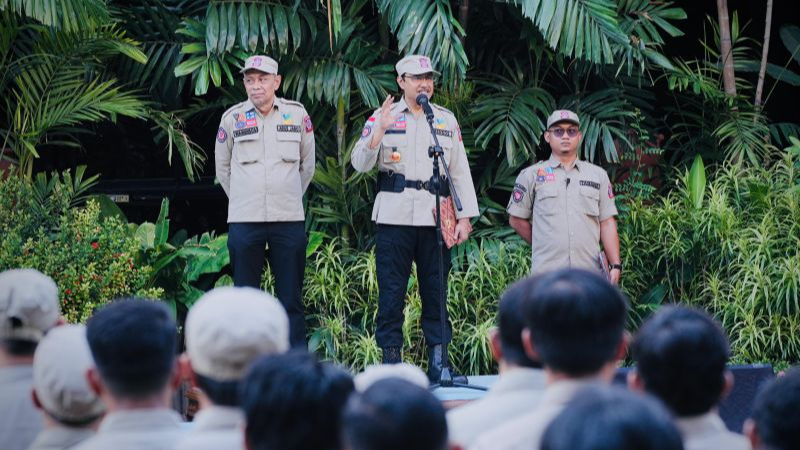
JAKARTAIndonesia's Ministry of Social Affairs (Kemensos) has placed 21,000 Taruna Siaga Bencana (Tagana) disaster response personnel on standby nationwide ahead of peak rainy-season hazards between December 2026 and February 2027. Social Affairs Minister Saifullah Yusuf led the readiness roll call alongside the deputy minister and ministry officials in Central Jakarta on Wednesday (25/11/2026).
Why is Kemensos mobilizing 21,000 Tagana personnel now?
The mobilization follows an outlook from Indonesia's meteorology agency, BMKG, warning of very heavy rainfall over the coming three months. Saifullah cautioned that over the next three months from December through February, heavy rainfall could exceed levels recorded in previous rainy seasons, requiring disciplined readiness from both emergency field responders and vulnerable local communities across Indonesia.
Working alongside provincial and district governments, Kemensos and Tagana units have mapped high-risk zones across nearly every part of the archipelago, reflecting varying local threat profiles. The assessments cover areas vulnerable to river flooding, flash floods, landslides, strong winds, and potential tsunamis based on each region's local terrain and geography.
What emergency facilities and logistics are being activated?
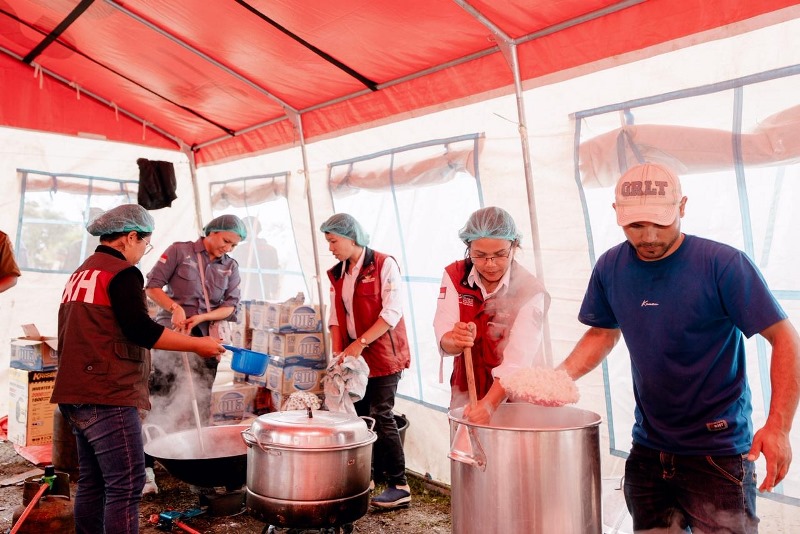
Because Tagana volunteers are stationed in their own home districts with direct knowledge of local terrain and hazard patterns, Kemensos is simultaneously reactivating community social warehouses (lumbung sosial) and disaster-resilient villages. These depots are stocked to speed up emergency logistics deliveries, public field kitchens, and evacuation shelters during crises.
During emergencies, all 21,000 Tagana personnel operate under the integrated command of the National Disaster Management Agency (BNPB), partnering with regency and municipal governments, regional BPBD offices, search-and-rescue agency Basarnas, the military, police, related ministries, and trained community volunteers, backed by post-disaster social recovery assistance from Kemensos.

Guidance for Indonesian residents in flood and landslide zones
For millions of Indonesian households living near riverbanks, steep hillsides, cliff corridors, and coastal belts, early deployment and stocked local warehouses shorten response times when extreme downpours strike. Saifullah urged citizens in high-risk zones to learn emergency response steps and track official BMKG weather bulletins throughout the peak rainy season.