JAKARTAIndonesia's People's Consultative Assembly (MPR) is convening eight constitutional and administrative law scholars on Wednesday, November 25, 2026, to help settle the rules for electing a new vice president ahead of a December 11 plenary session. The consultation follows an internal debate inside the MPR Ad Hoc Committee (PAH) over whether lawmakers should decide the post by consensus or a formal floor vote.
Will the MPR use consensus or a formal vote?
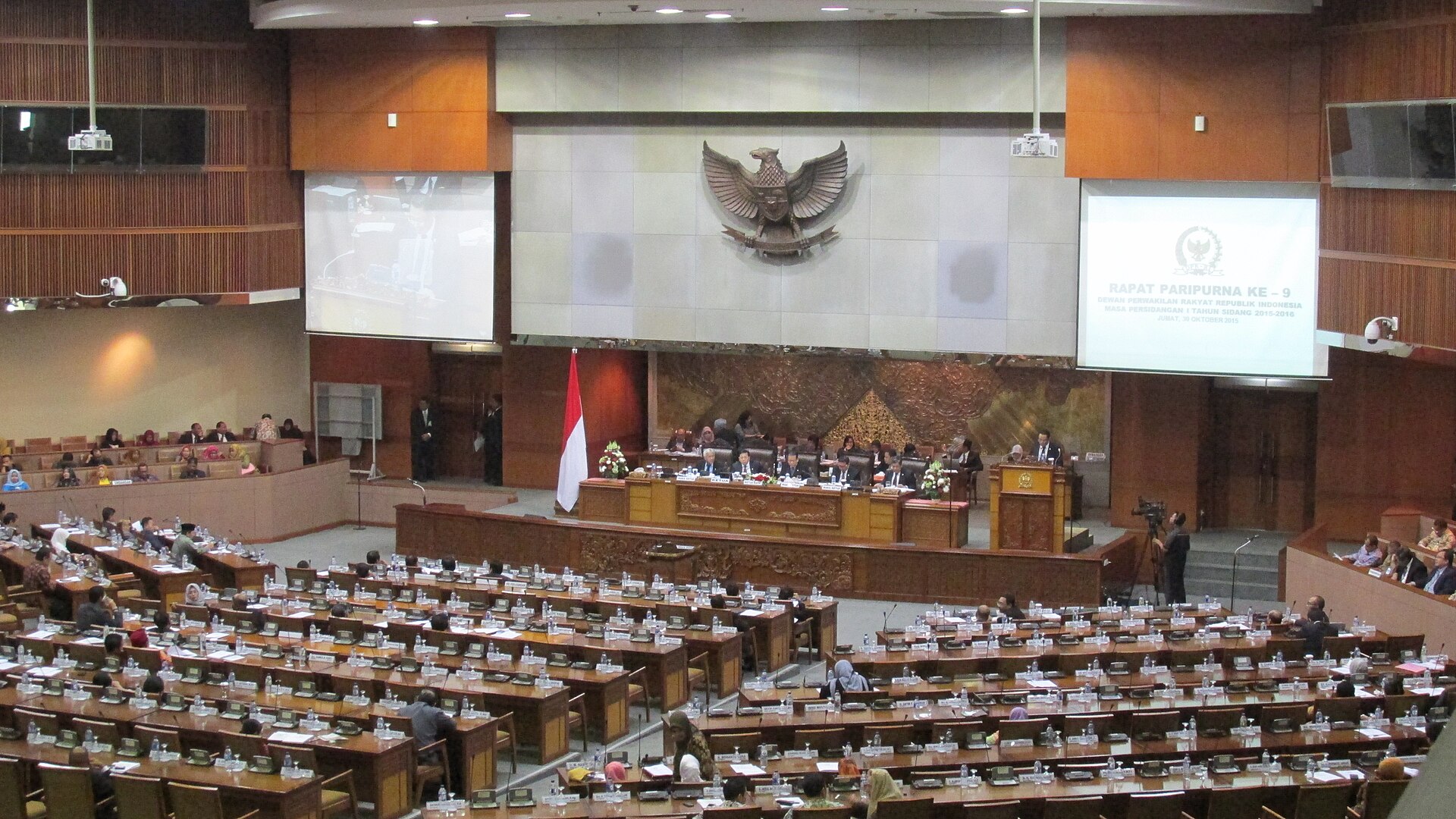
PAH MPR Executive Daily Chairman Benny K. Harman said on Tuesday (24/11/2026) at the Senayan parliamentary complex that neither mechanism has been finalized. Some committee members proposed consensus deliberation (musyawarah mufakat) in keeping with Indonesia's Pancasila principles, whereas others argued that constitutional rules require formal voting on formal MPR resolutions.
Confirmed participants for Wednesday's expert hearing include prominent jurists and former Constitutional Court figures Mahfud MD, Jimly Asshiddiqie, Hamdan Zoelva, Adi Matalatta, Satya Arinanto, and Fitra Arsil. Their legal guidance will form the basis for the draft MPR decree (rantap) and procedural decision (rantus) governing the selection process.
Who are Prabowo's two vice-presidential nominees?
The procedural work follows President Prabowo Subianto's formal submission of two vice-presidential nominees for the remainder of the 2024–2029 term to MPR Speaker Ahmad Muzani on Monday (23/11/2026). Prabowo named Agriculture Minister Andi Amran Sulaiman and Coordinating Minister for Human Development and Culture Sugiono as candidates to replace Gibran Rakabuming Raka.
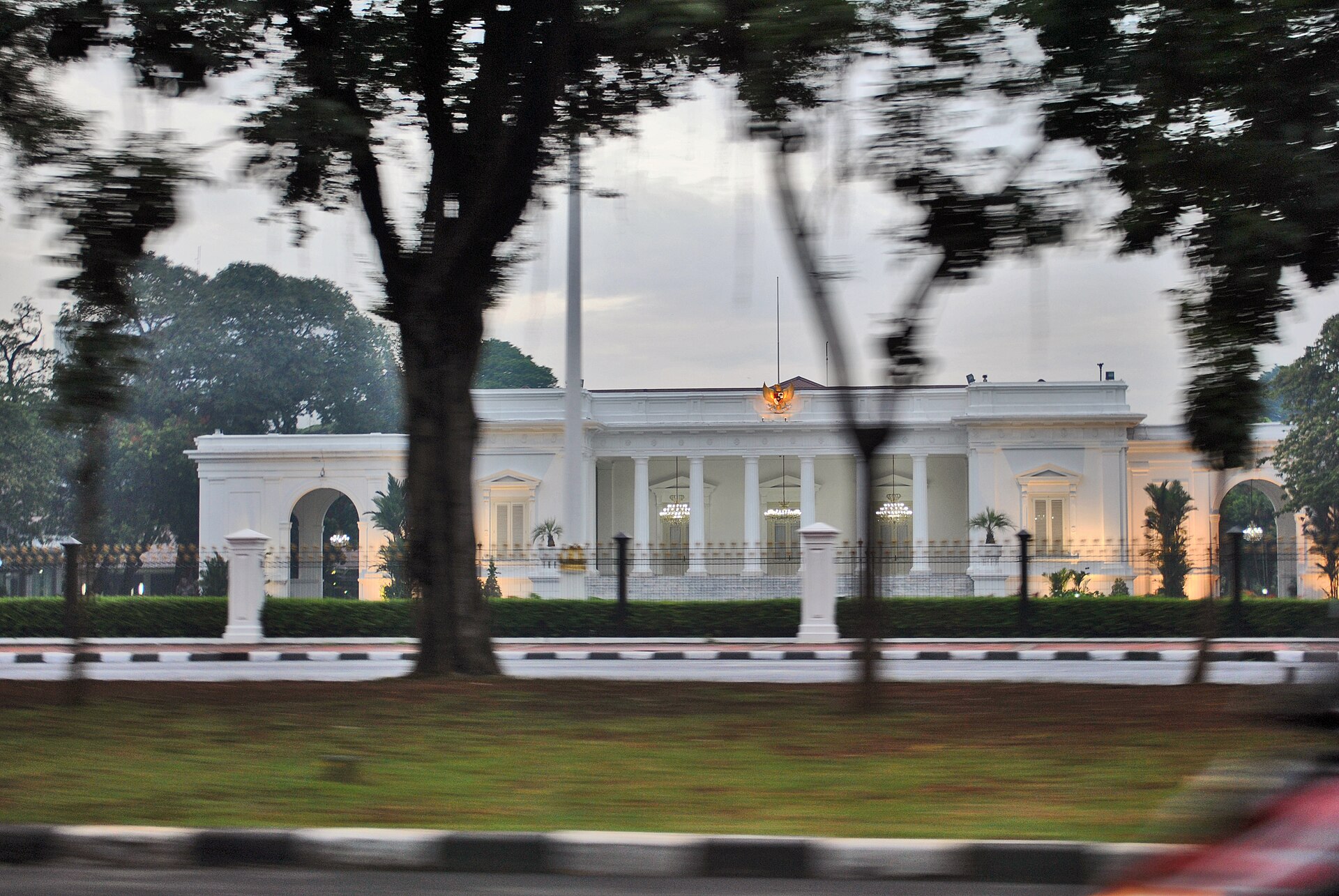
Before the December 11 plenary vote and inauguration, the MPR must complete administrative vetting and medical examinations for both nominees. Separately at midday on Tuesday (24/11/2026), Prabowo held a two-hour closed-door meeting with House of Representatives (DPR) Deputy Speaker Sufmi Dasco Ahmad at Merdeka Palace in Jakarta.

Why the MPR timeline matters for Indonesia's governance
According to the Cabinet Secretariat, Dasco briefed the president on legislative reports and public aspirations gathered through parliament, underscoring direct executive-legislative coordination. For Indonesian citizens and institutions, settling the MPR's legal procedure cleanly alongside aligned palace-parliament communication provides institutional certainty and keeps national policy implementation steady for the rest of the 2024–2029 mandate.