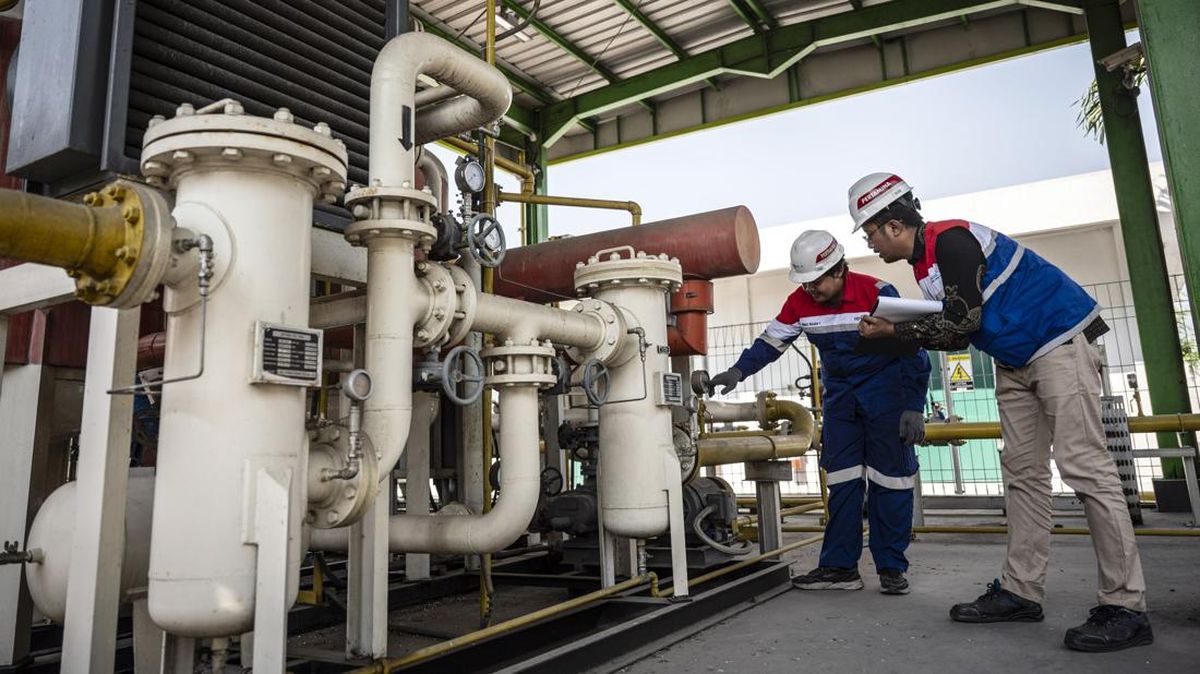
Indonesia's fertilizer producers association has warned that disruptions to natural gas supplies could threaten agricultural productivity and the country's efforts to maintain food self-sufficiency. Gas is a strategic raw material at the beginning of the fertilizer production chain serving the farming sector.
Nugroho Christijanto, executive chairman of the Indonesian Fertilizer Producers Association, or APPI, said natural gas is used to produce ammonia. The national fertilizer industry then uses ammonia to make nitrogen and compound fertilizers, which farmers apply to help meet the public's food needs.
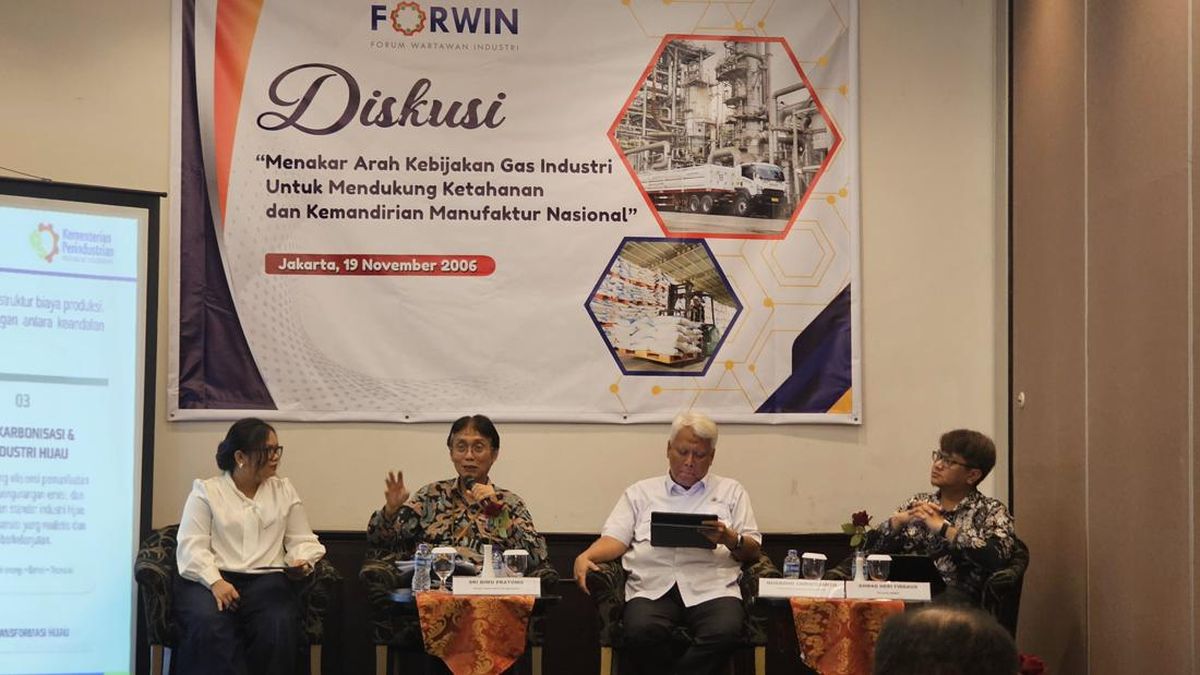
Speaking at an Industry Journalists Forum discussion in South Jakarta on Thursday, November 19, Nugroho said gas was not the only raw material involved, but was important because it came at the start of ammonia production. A disruption at one point in the supply chain would increase risks at later stages, he said.
Nugroho warned that a sufficiently severe interruption in gas supplies could affect farm productivity and Indonesia's ability to maintain food self-sufficiency. He said a continuous supply was therefore necessary to support the chain linking fertilizer production to agriculture.
He called for clear priorities in allocating gas, noting that ammonia and urea production depend heavily on it as a raw material. Producers also need competitive gas prices that account for the economics of upstream suppliers and the viability of downstream industry, he said. Distribution is another concern: gas wells are spread across Indonesia, while many industrial users are far from the sources.