Indonesia's Industry Ministry estimates that its regulated cheap gas policy generated an economic impact of Rp592.89 trillion from 2020 to 2025. The figure combines increases in sales, tax receipts and investment with a reduction in fertilizer subsidies.
Sri Bimo Pratomo, the ministry's director of upstream chemical industry, said higher sales accounted for Rp351.98 trillion, increased investment for Rp158.68 trillion and additional tax receipts for Rp38.30 trillion. Reduced fertilizer subsidies contributed another Rp43.93 trillion. He said the total impact was about five times the reduction in state revenue resulting from the policy.
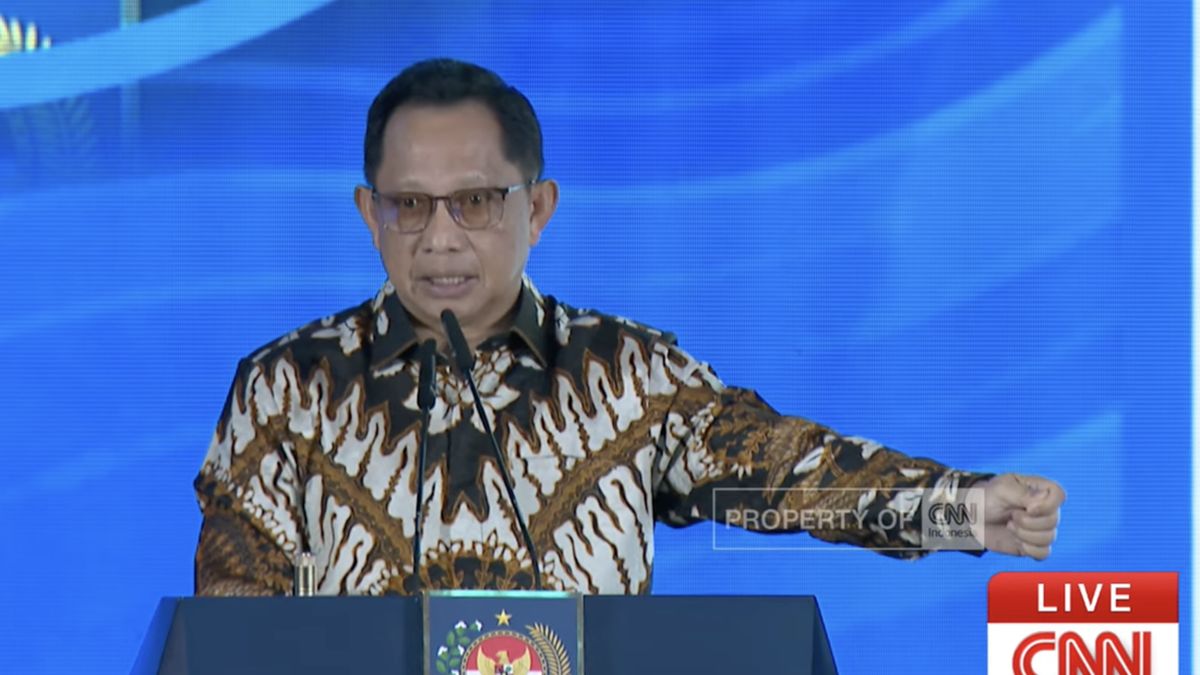
Speaking at an Industry Journalists Forum discussion in South Jakarta on Thursday, Nov. 19, Bimo said reliable gas supplies and prices were important for industry. Seven sectors are eligible for the policy, known as HGBT: fertilizer, petrochemicals, oleochemicals, steel, ceramics, glass and rubber gloves.
The government is drafting a presidential regulation covering natural gas operations, transmission and distribution networks, and prices. The ministry wants gas-consuming industrial sectors to be given equal priority, rather than risk being placed last when supplies are constrained. The government is also advocating that domestic needs be met before gas is allocated for export.
Bimo said domestic supply challenges also involve infrastructure. Falling gas production in several areas, particularly on Java, means supplies brought from farther away need adequate transport facilities and networks to reach users. Discussion of an oil and gas bill is seen as an opportunity to strengthen gas governance, industrial competitiveness and national food security.