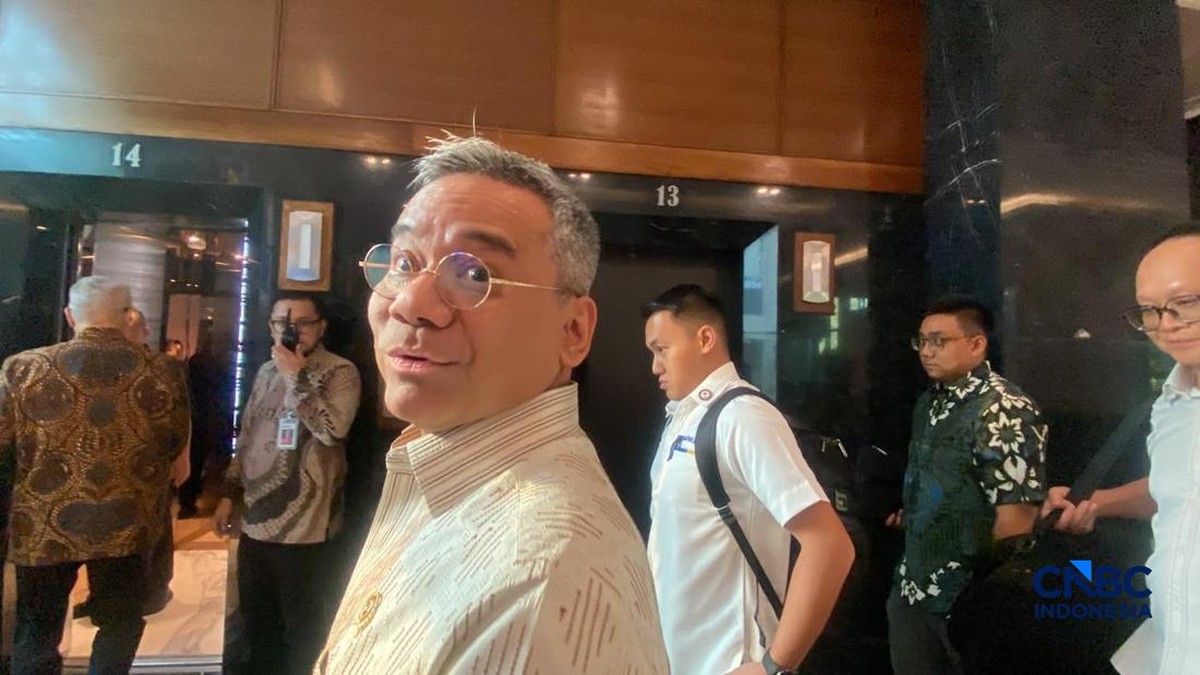
JAKARTAFinance Minister Suahasil Nazara said keeping domestic subsidized fuel prices stable has shielded household purchasing power and helped drive Indonesia's 5.47 percent annual economic growth in the third quarter of 2026. Speaking after Bank Indonesia's annual meeting in Jakarta on Friday (Nov. 27), he defended the policy amid renewed pressure from the OECD and reports of possible fuel price adjustments in 2027.
Why does the OECD urge replacing fuel subsidies with cash aid?
The fiscal debate intensified after the OECD Economic Surveys: Indonesia 2026 urged Jakarta to phase out broad fuel subsidies in favor of targeted cash transfers. Previously, the Paris-based organization also projected Indonesia's 2026 fiscal deficit could widen to 2.9 percent of GDP as global crude prices and currency pressures strain energy compensation outlays.
According to the OECD report, broad energy subsidies disproportionately benefit wealthier households, noting that the richest 20 percent captured about 46 percent of subsidies in 2019 compared with 18 percent for the bottom 40 percent. It recommended restoring semi-automatic fuel price adjustments alongside targeted aid to free up budget space for education, healthcare, and social protection.
How did Airlangga and Parliament respond on 2027 fuel prices?
At a separate press briefing in Central Jakarta on Friday, Coordinating Economic Minister Airlangga Hartarto confirmed that the OECD's findings have drawn President Prabowo Subianto's attention. He said officials are running policy simulations to sharpen energy subsidy targeting while guaranteeing that subsidized fuel prices will not rise through the end of 2026.

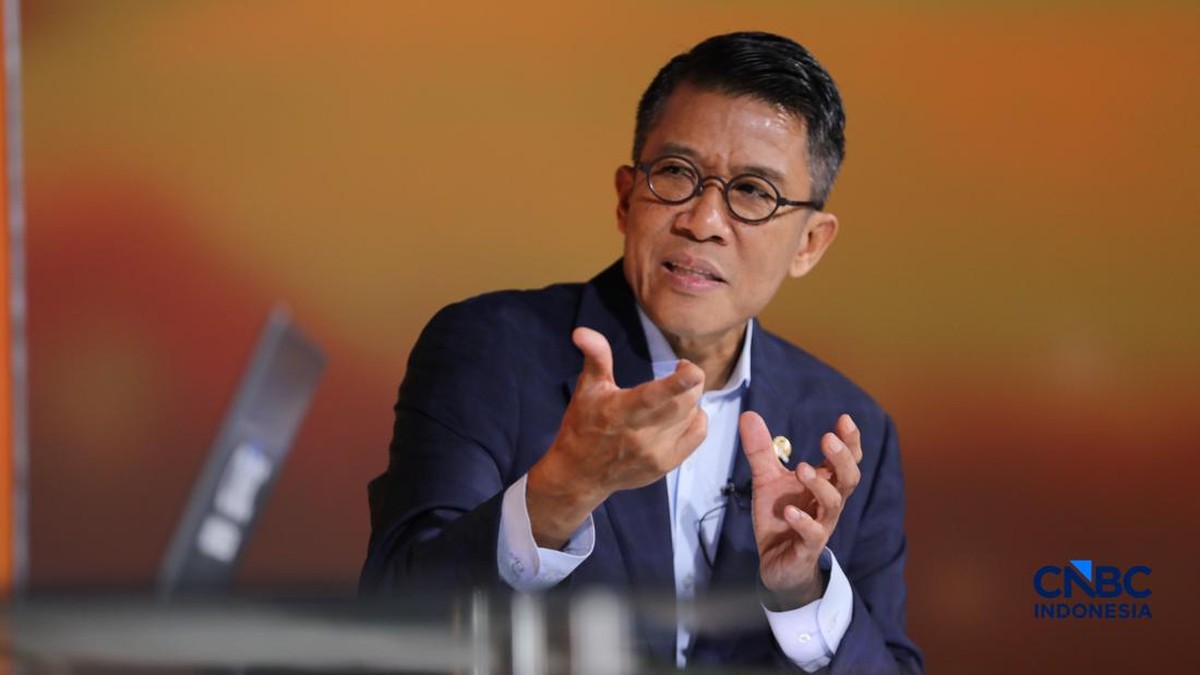
In parliament, House Commission XI Chair M. Misbakhun said a subsidized fuel price hike in 2027 could be considered rational if aimed at relieving severe pressure on the state budget. Still, he cautioned that any adjustment must match public purchasing power after years of frozen retail fuel prices.

Inflation Risks and What Subsidy Reform Means for Indonesians
Misbakhun warned that higher fuel prices immediately feed into administered and core inflation by raising public transport fares and logistics distribution costs. He added that Commission XI has not yet received detailed government reports on energy compensation payments and deferred specifics to the Finance Ministry.
How Jakarta balances fiscal relief against subsidized fuel prices in 2027 carries direct consequences for Indonesian commuters, food logistics, and small businesses. If the government shifts toward targeted cash aid or gradual price indexing, accurate beneficiary registries will be decisive in shielding low-income households from global oil shocks.