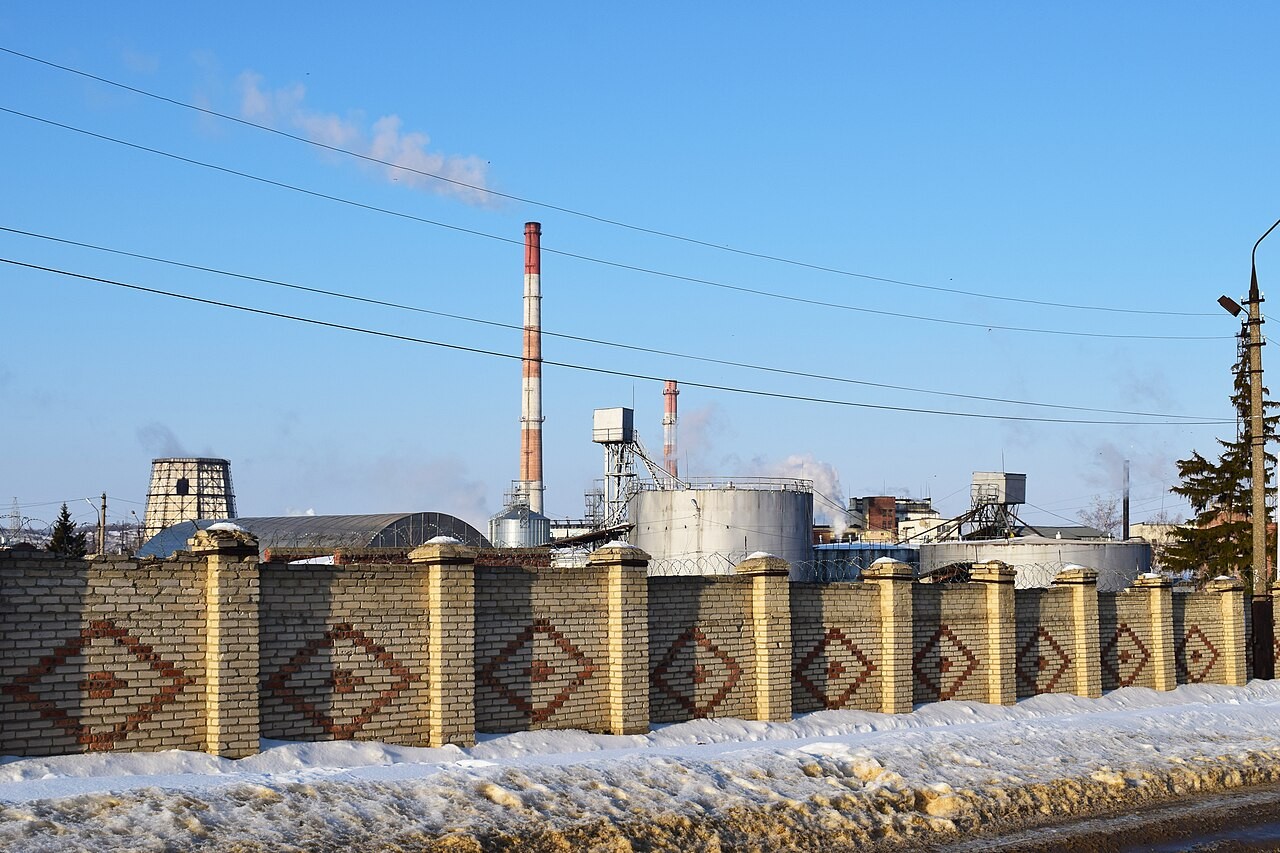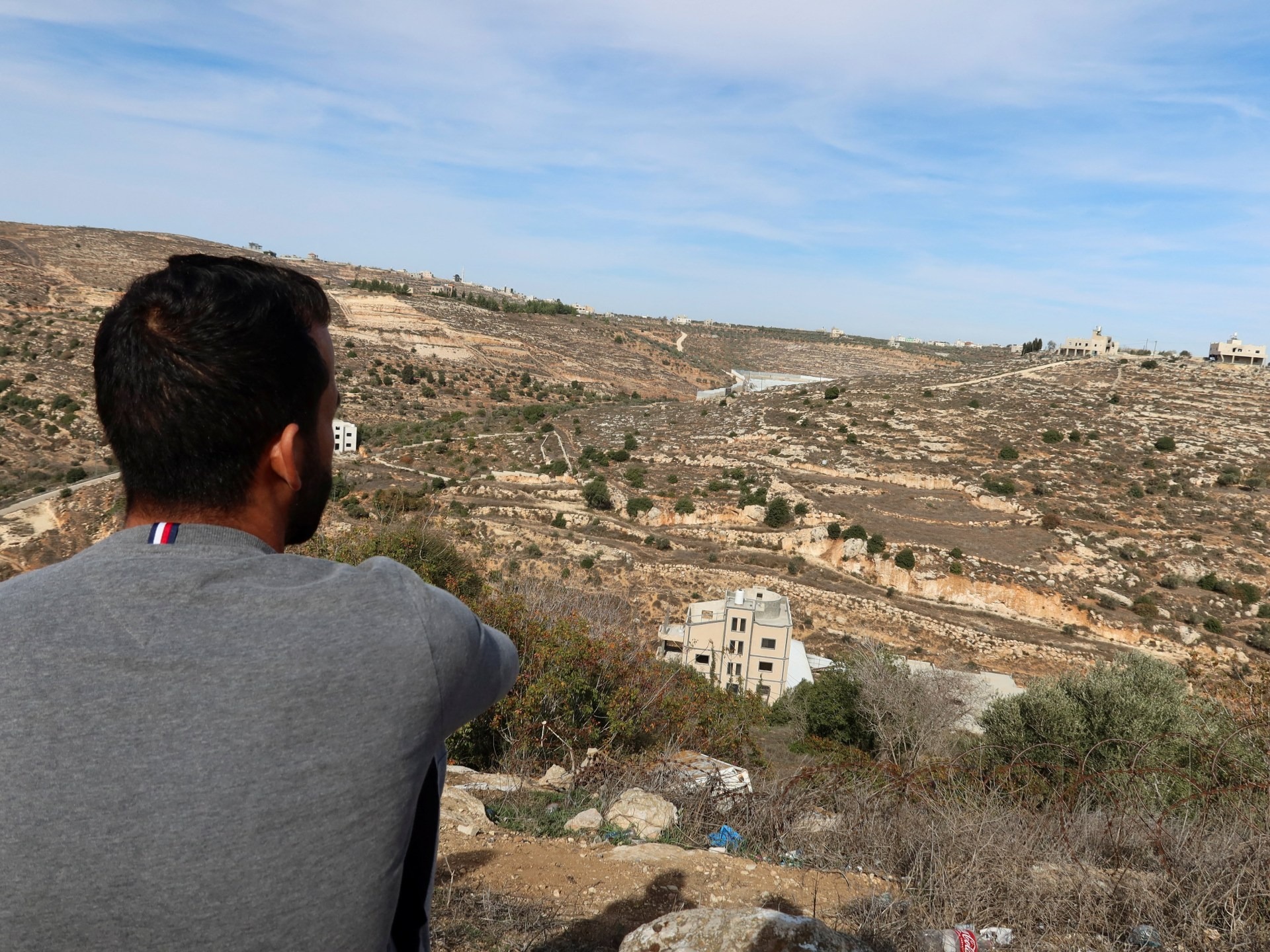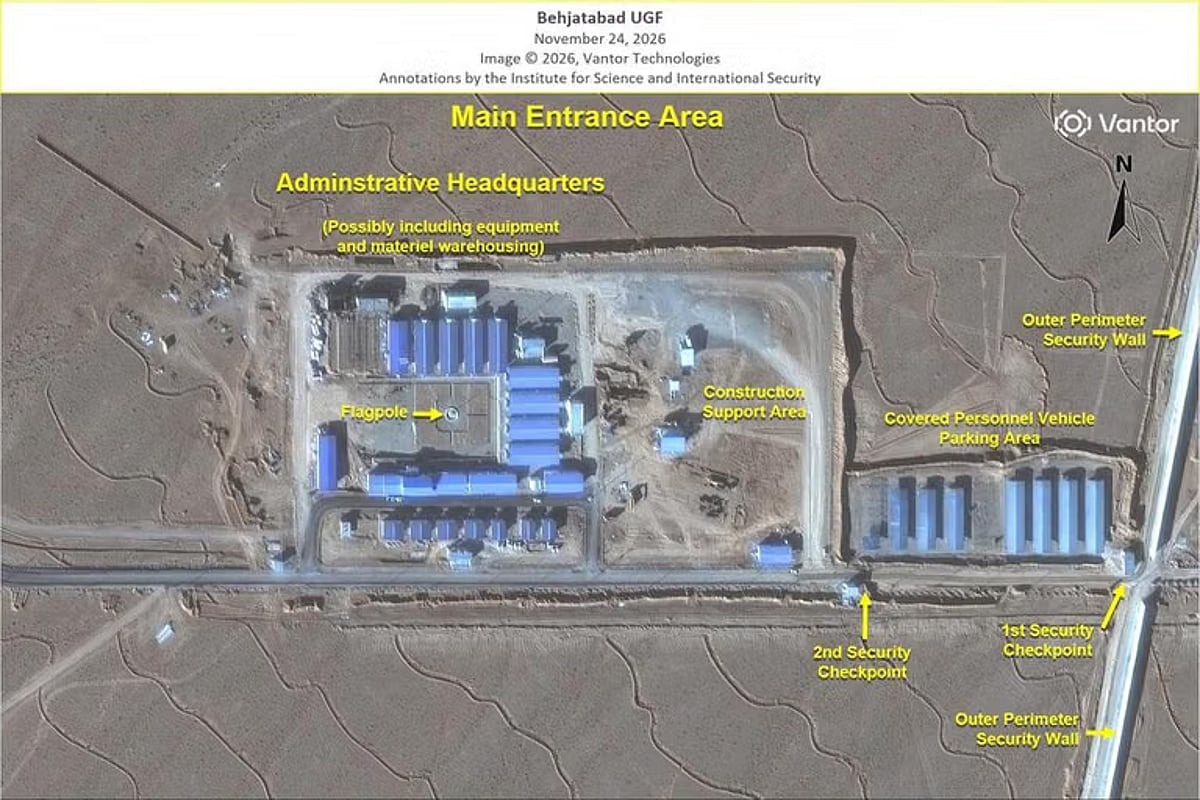
TEHRANNew commercial satellite imagery dated November 24, 2026, reveals that Iran is rapidly expanding a vast fortified underground complex named Behjatabad in central Iran. According to an assessment by the Washington-based Institute for Science and International Security (ISIS) using Vantor Technologies imagery, the mountain site lies roughly 62 kilometers from both the Isfahan nuclear facility and Pickaxe Mountain near Natanz, inside an outer security perimeter spanning about 5,000 hectares.
What is Iran building inside the Behjatabad tunnel complex?
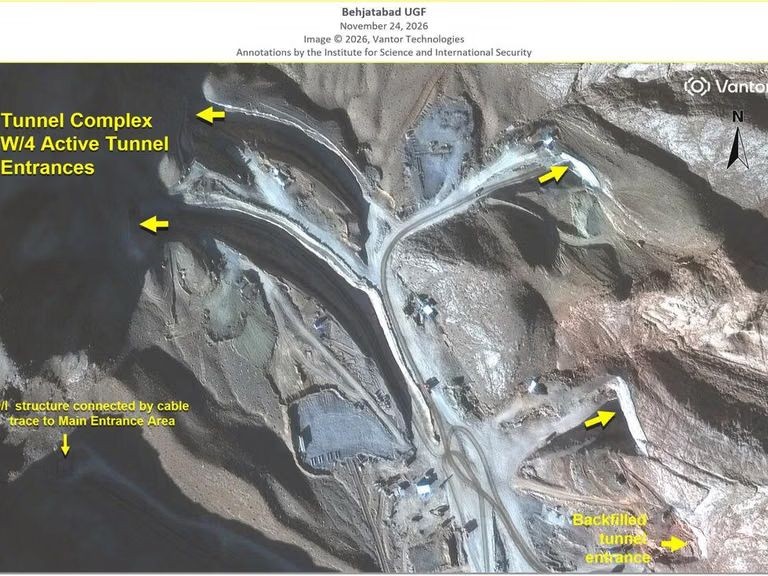
In its preliminary findings published on Wednesday (Nov. 25), ISIS emphasized that the exact purpose of the Behjatabad complex remains unclear and requires further data for a definitive assessment. However, researchers noted that its multi-layered checkpoints, administrative compound, and four active tunnel entrances resemble Iranian military infrastructure capable of sheltering missiles or major weapons systems, adding that a nuclear role cannot be ruled out.
Satellite analyst Ben Tzion Macales first flagged on November 17 that excavation and surface construction at Behjatabad accelerated sharply after earlier US military strikes on Iran this year. Although initial earthworks began in December 2025, ISIS noted that the speed of construction throughout 2026 sets Behjatabad apart from typical underground tunnel projects across the country and is visible even on lower-resolution Sentinel-2 imagery.
How does Behjatabad fit into Iran's damaged nuclear network?
The buildout follows severe damage inflicted on Iran's nuclear complexes at Fordow, Natanz, and Isfahan during US and Israeli strikes in June 2025 and subsequent hostilities in 2026. While researchers stress there is no proof Behjatabad has restored uranium enrichment, uncertainty persists over roughly 440 kilograms of 60-percent enriched uranium whose location remains unverified under restricted International Atomic Energy Agency (IAEA) inspection access.
The imagery emerged at a volatile diplomatic juncture after Israeli military spokesman Effie Defrin told broadcaster Kan on Thursday (Nov. 26) that Israel is prepared to strike Iran independently without American participation. Meanwhile, Iranian Foreign Minister Abbas Araghchi said Tehran is reviewing new diplomatic proposals brokered by Qatari and Pakistani mediators while insisting Iran's core demands remain unchanged.

Why does renewed Iran escalation matter for Indonesia's fuel and Rupiah?
For Indonesia, a net oil importer, renewed friction over Iranian underground facilities sustains a geopolitical risk premium that keeps Brent crude elevated above $94 per barrel. That level exceeds Indonesia's 2026 state budget assumption of $83 per barrel after October's Indonesian Crude Price (ICP) hit $117.24, leaving state energy firm Pertamina facing an estimated Rp14 trillion revenue squeeze from frozen fuel prices while the Rupiah closed weakened at Rp18,364 per US dollar on Thursday.