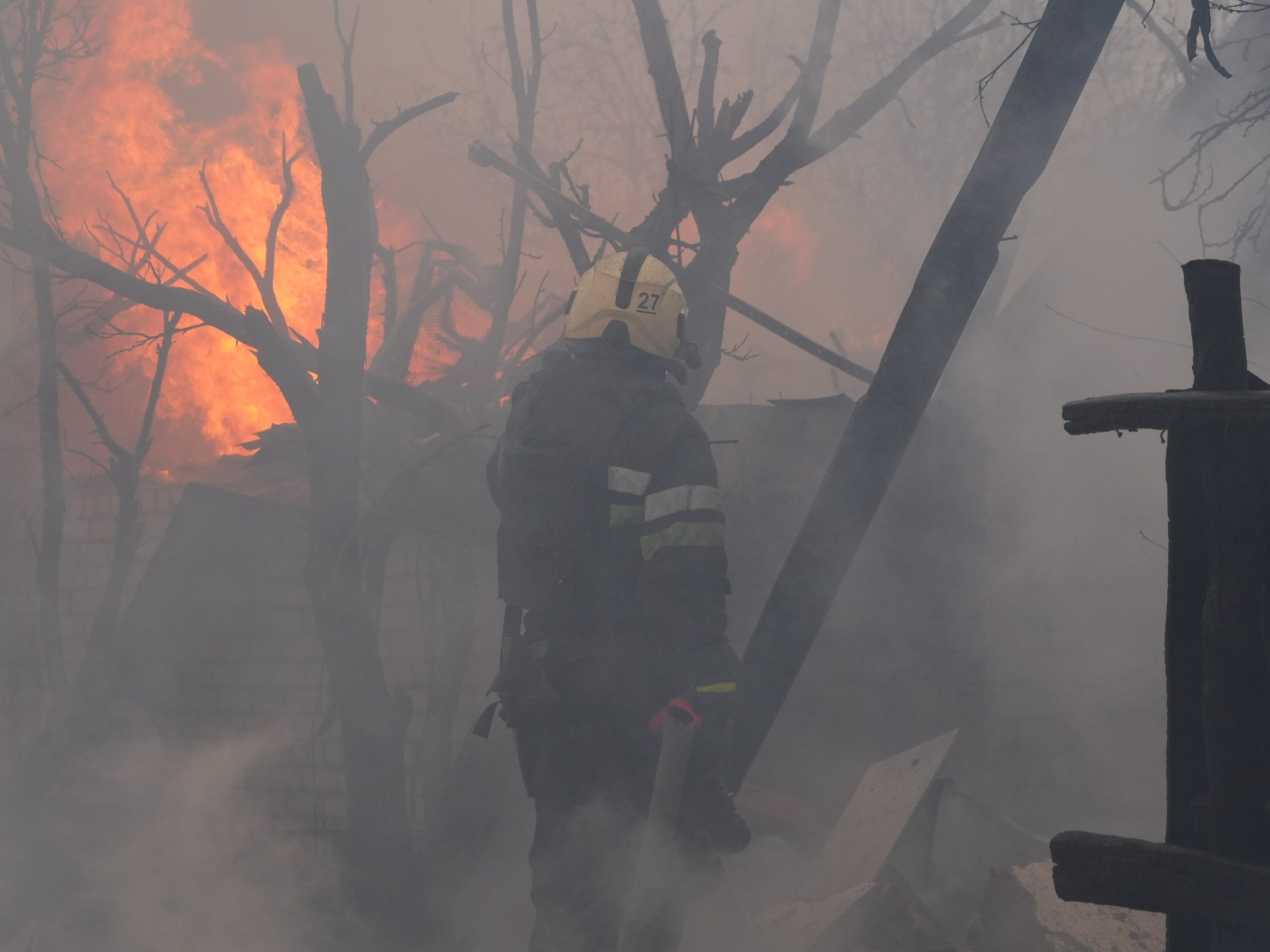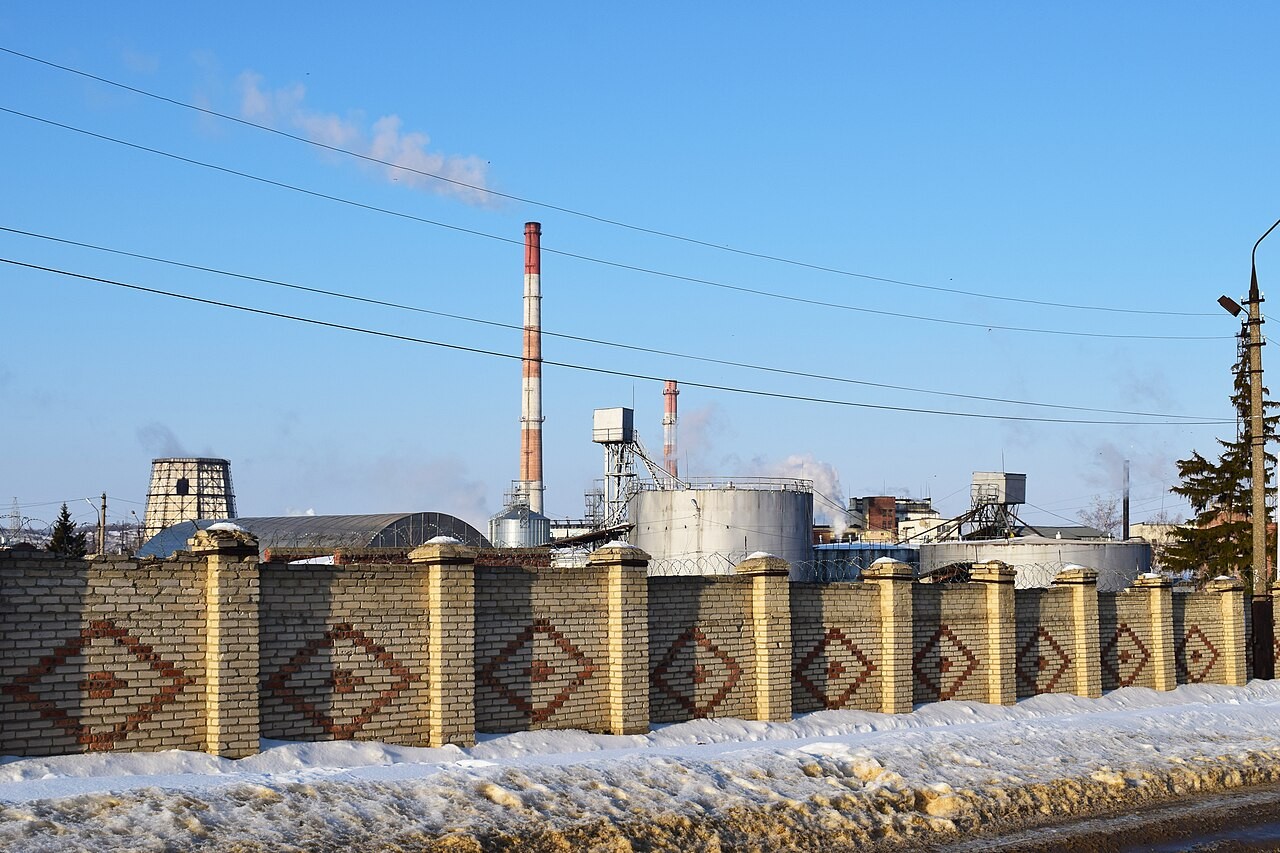
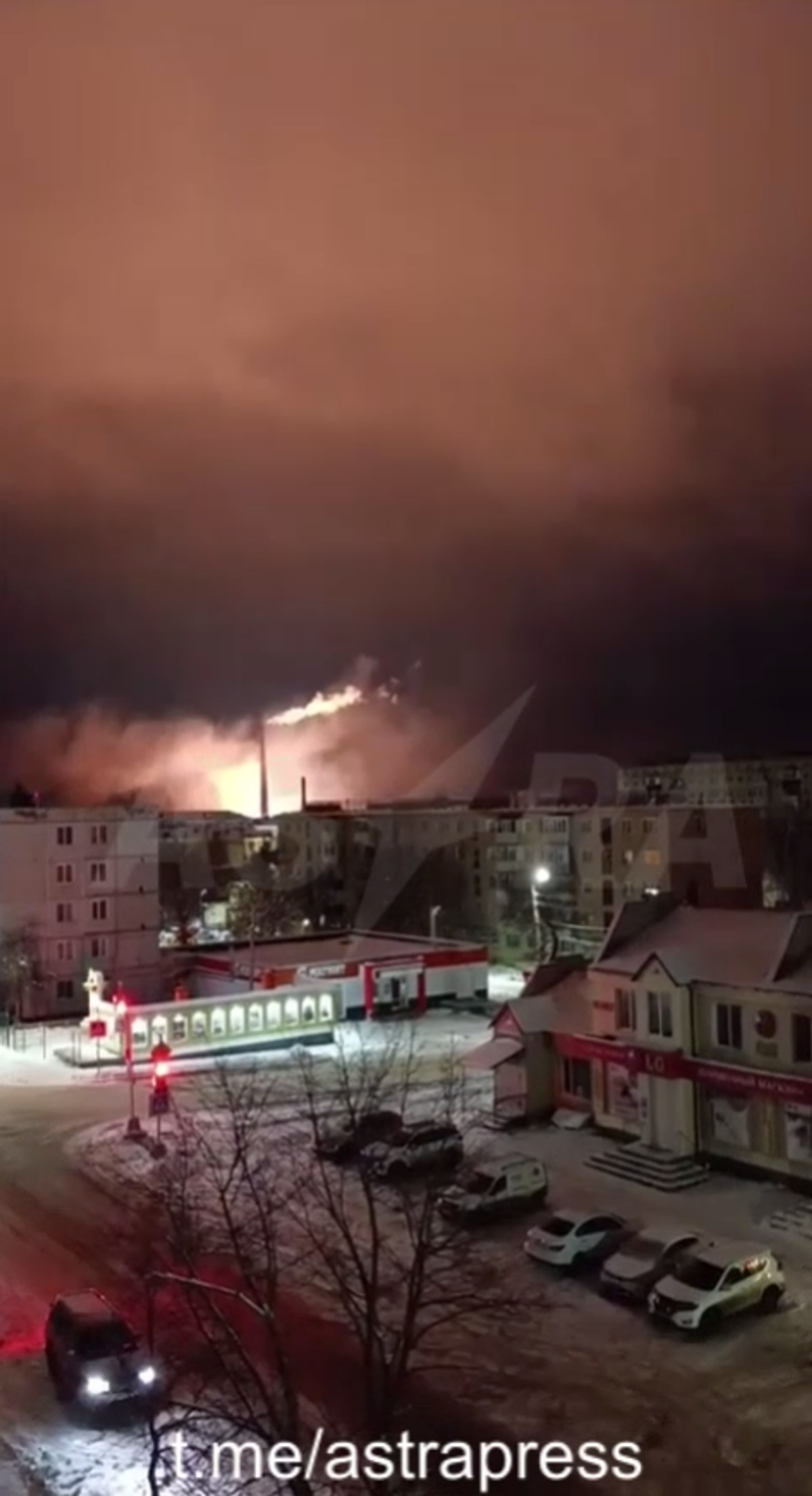
EFREMOVOvernight explosions and fire struck the Efremov Synthetic Rubber Plant and a neighboring thermal power station in Russia's Tula Oblast early Friday (Nov. 27, 2026) following a drone attack. Independent Russian outlet ASTRA and OSINT monitoring channels Exilenova+ and Exile+ geolocated video footage showing blasts at both industrial facilities on the edge of the city.
Why did drones target the Efremov rubber plant and power station?
Ukraine's General Staff says the Efremov Synthetic Rubber Plant manufactures specialty polymer materials used in solid rocket fuel, specifically for Russia's Iskander ballistic missile arsenal. Ranked among Russia's largest synthetic rubber producers, the strategic defense-industrial complex was previously targeted in earlier Ukrainian drone strikes on December 24, 2025, and September 25, 2026.
Geolocated footage also confirmed an explosion near the Efremov combined heat and power (CHP) station, which supplies electricity and district heating to both residential neighborhoods and nearby factories, including the rubber plant. Local residents reported disruptions and outages in the city's heating network shortly after the blasts lit up the winter night sky.
How did Russian authorities in Tula respond to the blasts?
Writing on Telegram, Tula Oblast Governor Dmitry Milyayev said Russian air defenses intercepted four Ukrainian drones over the region while warning that further drone threats persisted. He claimed there were no casualties or confirmed industrial damage in preliminary checks, noting only that falling debris shattered windows at three private residences in the Efremov district.
The Tula strikes underscore Kyiv's sustained campaign against military-industrial and energy hubs deep inside Russian territory to strain Moscow's war logistics. Just a night earlier on November 26, Ukrainian military intelligence drones reportedly struck the Slavyansk-Eko oil refinery in Krasnodar Krai for a second time while separate blasts hit Transneft facilities in Bashkortostan.

Why do strikes on Russian chemical hubs matter for Indonesia?
For Indonesia, prolonged attacks on Russian energy and chemical infrastructure keep global fertilizer costs and Black Sea grain logistics exposed to wartime disruptions. Indonesia's Trade Ministry has cushioned wheat vulnerability by diversifying imports toward Australia, Argentina, Canada, and the United States, while state fertilizer group PT Pupuk Indonesia and Danantara launched a joint urea plant study in Russia's Far East in September 2026 to secure long-term feedstock.