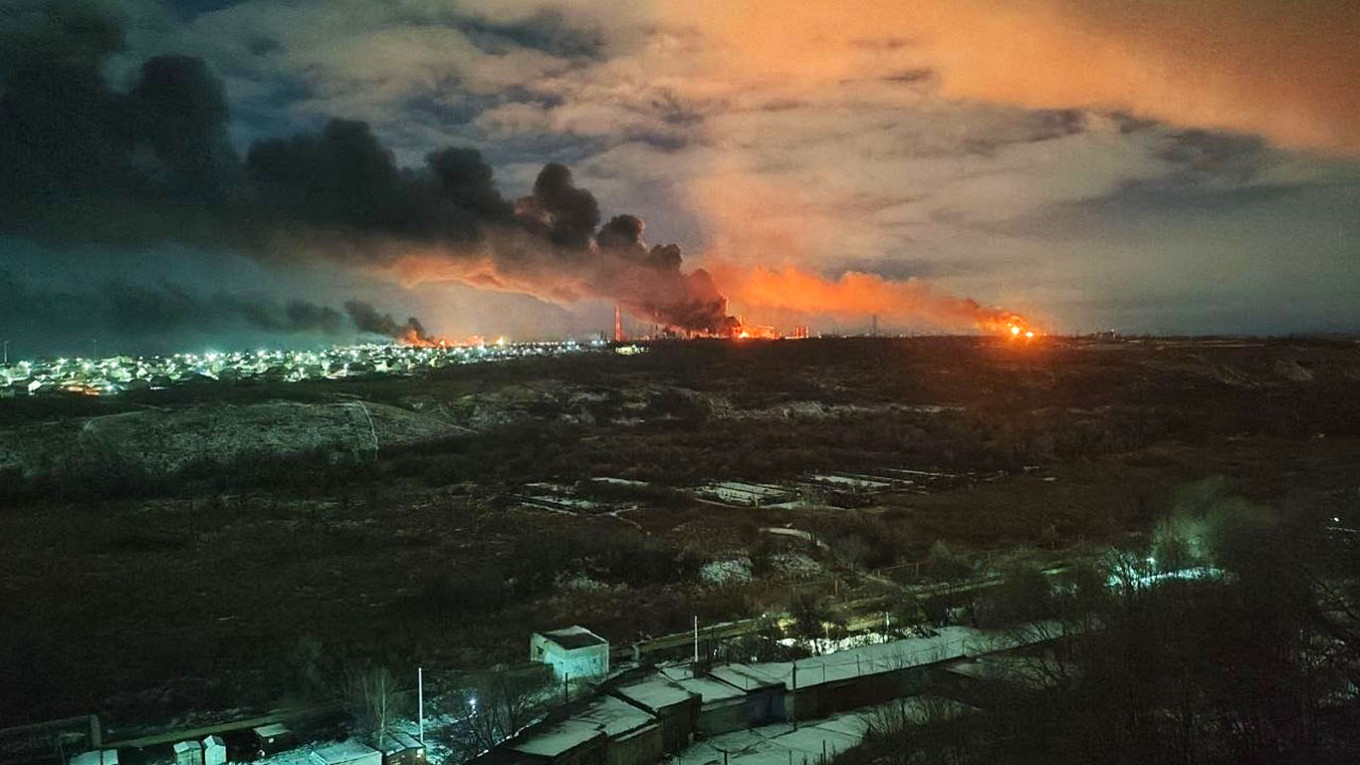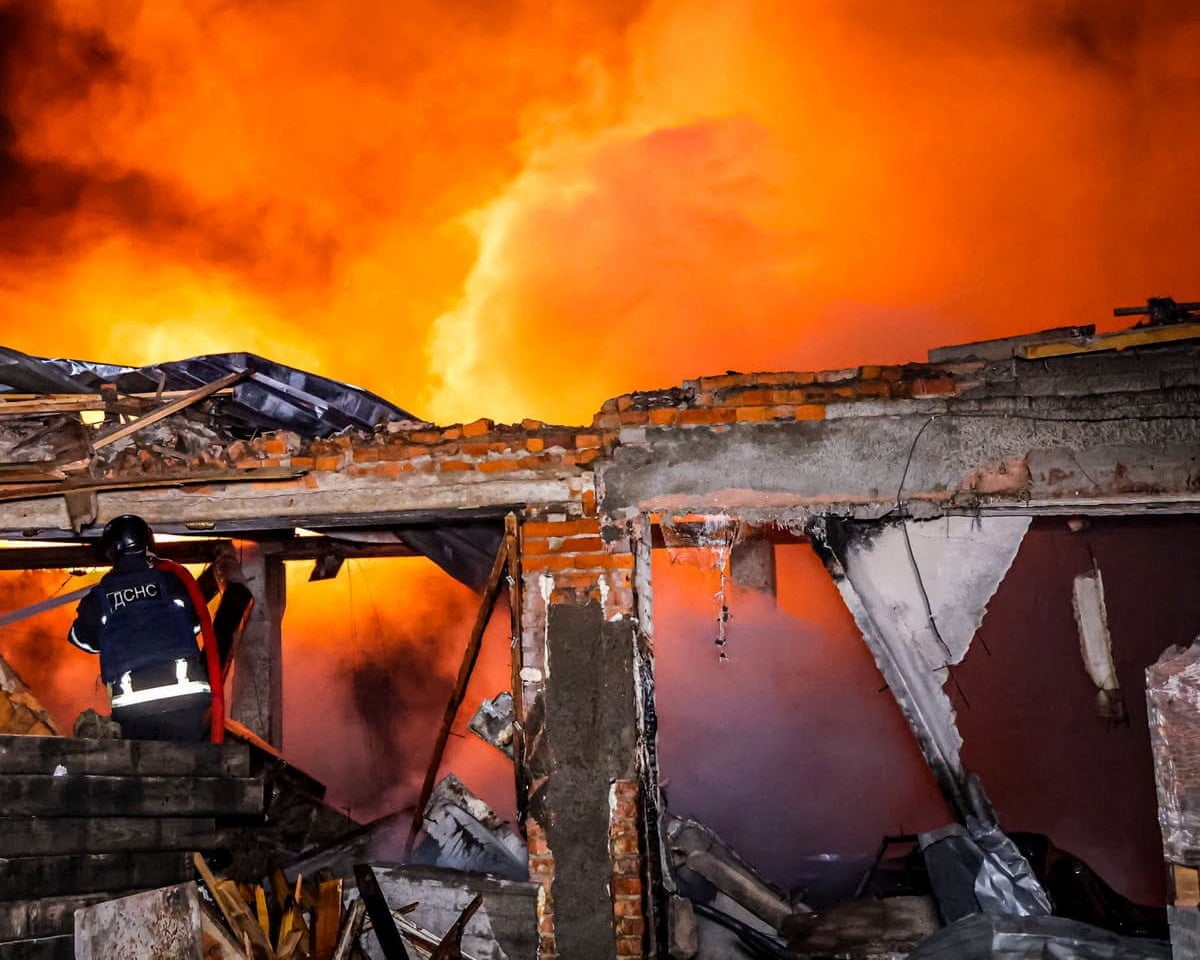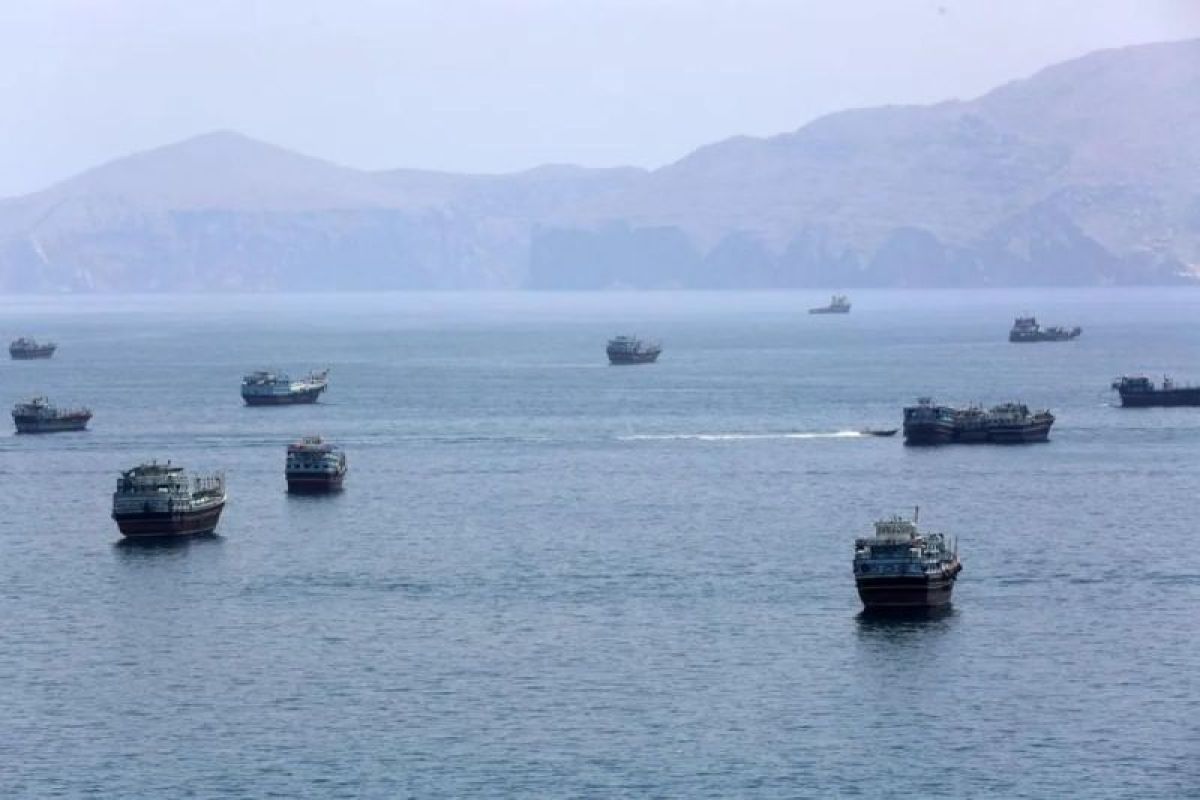
TEHRAN / JAKARTAIran's armed forces claimed on Wednesday (Nov 25) that air-defense units shot down two US unmanned aerial vehicles, an MQ-9 and a Lucas suicide drone, over the Strait of Hormuz, coinciding with reports that three oil tankers caught fire after striking naval mines in the strategic energy chokepoint.
Why are US-Iran tensions flaring across the Strait of Hormuz?
Iranian state broadcaster IRIB said the Lucas drone was intercepted over the western Strait of Hormuz and the MQ-9 over the eastern corridor, while Press TV cited the Islamic Revolutionary Guard Corps (IRGC) Navy as reporting fires aboard three mined tankers. Maritime security has deteriorated sharply since US and Israeli military operations against Iran began on February 28, following prior AIGOS News reporting on a US probe into hacks affecting 50 tankers and Iran's blacklisting of 26 tugboats in the waterway.
Iranian lawmaker Ebrahim Azizi declared on X that the era of sanctions and blockades is over, pushing back against an Economist cover titled 'Axis of Malice.' Supreme National Security Council Secretary Major General Mohsen Rezaei similarly dismissed US President Donald Trump's naval blockade plans as futile, warning that Iranian forces remain ready to counter any new military move.
New US sanctions and Tehran's pushback against a naval blockade
The statements followed fresh US Treasury Department sanctions under Operation Economic Outcast targeting more than two dozen Iranian exchange houses, front companies, and individuals accused of sustaining Tehran's shadow banking and foreign-currency channels. The latest confrontation also comes days after the IRGC claimed it intercepted an American MQ-1 drone over Qeshm Island on November 14.

Persistent restrictions in the Strait of Hormuz continue to keep crude oil and liquefied natural gas (LNG) tanker traffic well below pre-conflict levels. Tehran has maintained that transit curbs will remain in place unless Washington lifts its sanctions and blockade measures.
How is Pertamina shielding Indonesia's fuel supply from Hormuz?
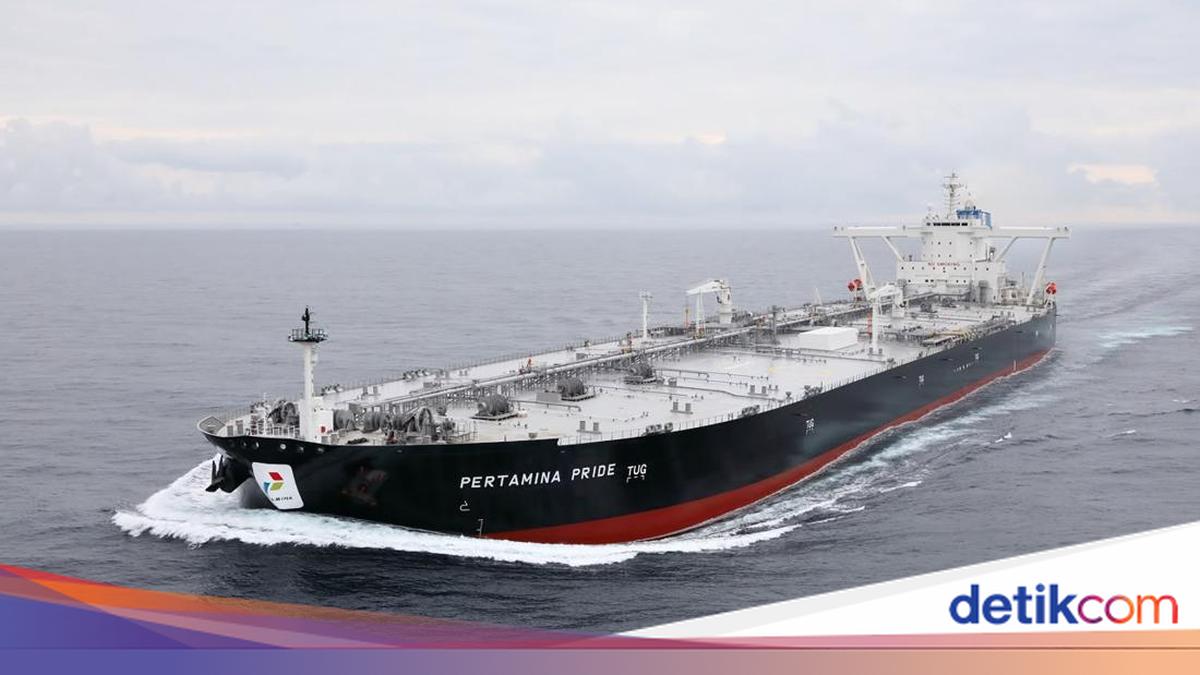
For Indonesia, Strait of Hormuz disruption directly shapes energy procurement: Pertamina Vice President Director Oki Muraza said in Jakarta on Wednesday that the state oil firm is expanding outside geopolitical chokepoints, completing an acquisition in Algeria's Berkine Basin adding 32,000 barrels per day toward 41,000 bpd total while targeting over 30,000 bpd from South America in 2027. Domestically, Muraza confirmed fuel and LPG inventories exceed minimum mandates as Indonesia works toward Energy Minister Bahlil Lahadalia's target of raising strategic oil reserves from 21 days to a 60-day standard.