TEHRAN / JAKARTAIran has imposed rolling two-hour daily electricity cuts as a months-long United States naval blockade, Western sanctions, and war damage strain domestic fuel supplies ahead of winter. Appearing on state broadcaster IRIB under a desk lamp in his darkened Tehran office, President Masoud Pezeshkian urged Iran's 92 million residents to conserve electricity.
Why is resource-rich Iran facing rolling blackouts?
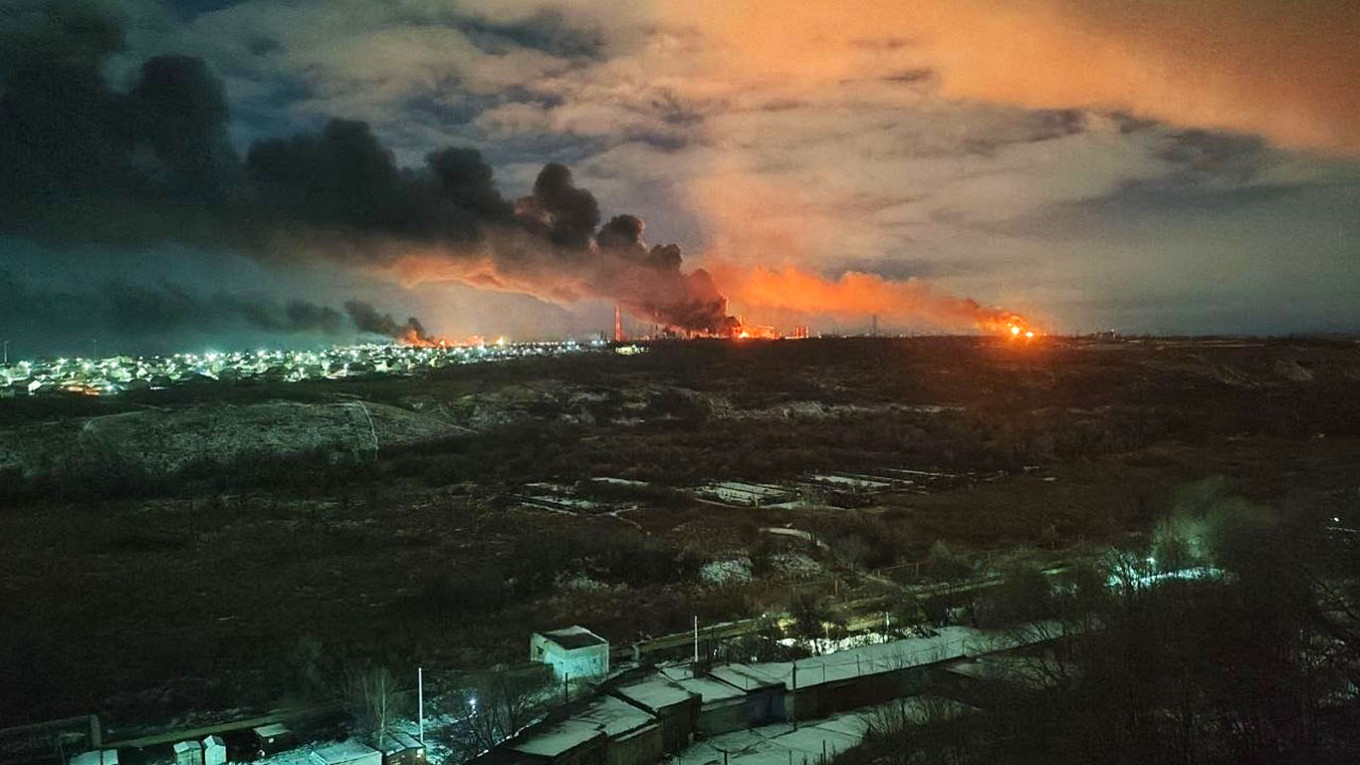
Iran faces severe blackouts despite holding part of the world's largest gas field and third-largest proven oil reserves because US-Israeli strikes since February 28 damaged four gas processing plants. National Iranian Gas Company chief Saeed Tavakoli said strikes cut 230 million cubic meters per day of capacity, with about 100 million restored, while spokeswoman Fatemeh Mohajerani warned winter shortfalls could hit 430 million cubic meters daily across 11 of 31 provinces.
Energy Minister Abbas Aliabadi reported 4,200 megawatts of power plant capacity lost to strikes on a grid dependent on natural gas for 86 percent of generation, oil for 7 percent, hydropower for 5 percent, and Bushehr nuclear for 2 percent. Washington's Operation Economic Outcast sanctions also pushed annual inflation to 76.8 percent and eliminated roughly 600,000 industrial jobs, with lawmaker Nasrollah Pejmanfar warning losses could exceed one million.
Global spillover and Britain's 26% winter bill surge
The Middle East energy shock is hitting consumers across importing nations, led by a 26 percent jump in British household bills starting in January 2027. UK regulator Ofgem announced on Wednesday (Nov 25) that its quarterly price cap will lift typical annual gas and electricity bills from £1,723 to £2,166, adding roughly £37 monthly on average and up to £60 in winter.
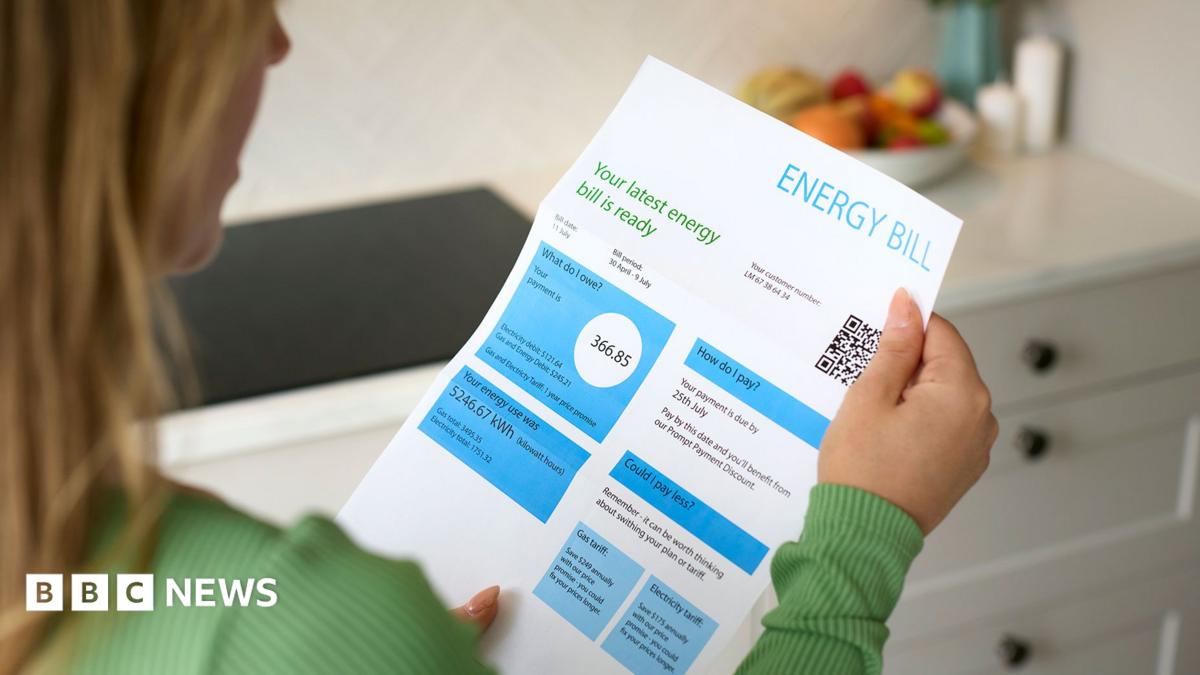
Ofgem markets director Neil Kenward attributed the increase—raising unit caps to 32.69 pence per kilowatt-hour for electricity and 10.96 pence for gas—to a 33 percent surge in wholesale gas prices over three months tied to the Iran war. London pledged £100 winter payments from January 4 plus a £150 Warm Home Discount for six million households as charities warned of rising debt.

How does the Iran energy shock hit Indonesia's state budget?
For Indonesia, global energy turmoil directly threatens state budget stability. Addressing the 2026 National Energy Forum in Jakarta on Wednesday, Presidential Advisory Council Vice Chair Muhammad Hatta Rajasa noted pure energy subsidies reached Rp203.4 trillion in 2025—electricity Rp89.7 trillion, 3kg LPG Rp87 trillion, and fuel Rp26.7 trillion—while 2026 spending is projected to reach Rp227.26 trillion above the Rp210.1 trillion allocation.
Indonesia's vulnerability stems from consuming 1.6 million to 1.8 million barrels of oil daily against domestic production of 605,300 barrels, forcing imports of 1 million to 1.2 million barrels per day. Hatta warned every US$1 per barrel rise in crude prices adds Rp6.8 trillion in fiscal subsidy costs and pressures the Rupiah.