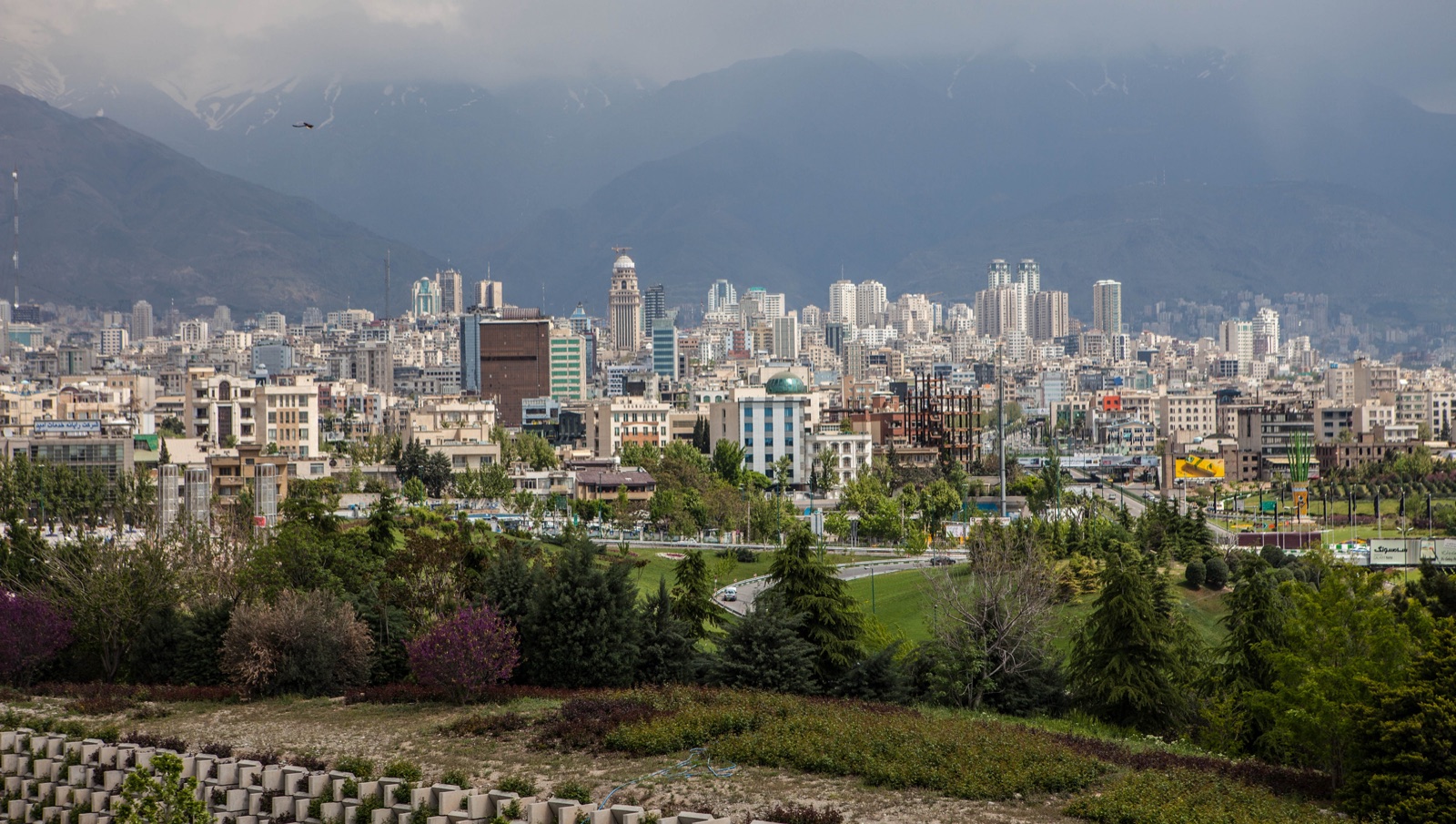
JERUSALEMIsraeli Defense Minister Israel Katz accused Iran of actively developing chemical weapons and floated a preemptive military strike against Tehran on Tuesday, November 24, 2026. In a statement released by the Likud party on Telegram, Katz said Tehran cannot yet strike Israel with such weapons, but vowed Israel must stop the program from proceeding.
What prompted Katz's chemical weapons claim and Iran's reply?
Katz's remarks followed a CNN report last week citing anonymous United States intelligence sources alleging Iran had drafted plans for a so-called dirty bomb—conventional explosives laced with chemical or radioactive materials—against senior officials in President Donald Trump's administration. Iranian Foreign Minister Abbas Araghchi dismissed the allegations on X as Iraq War-style propaganda bearing Israeli fingerprints.
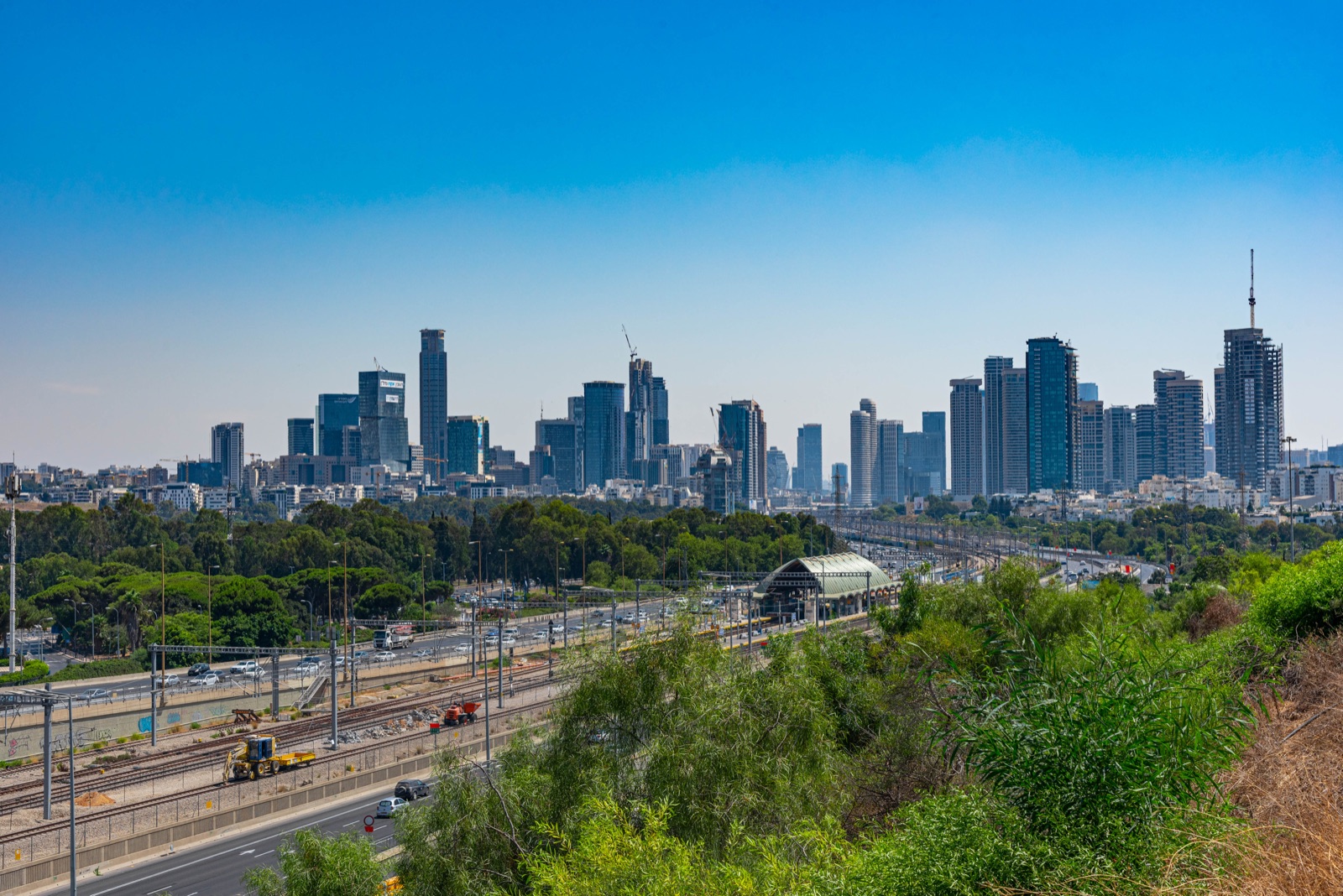
Speaking to Israeli reporters in remarks aired by Channel 12, Katz argued Israel would fail if it allowed Iran to strike first and signaled the Israel Defense Forces should block the threat beforehand. He indicated the timing of any operation—preferably alongside the United States—hinged on when the Trump administration is ready to join, claiming Tehran seeks chemical arms to rebuild deterrence.
Why are Eisenkot and Israeli lawmakers divided over a strike?
The warning deepened political rifts inside Israel following last month's inconclusive general election. Yashar party leader Gadi Eisenkot, tasked by President Isaac Herzog with forming a new coalition, and Knesset Foreign Affairs and Defense Chairman Avigdor Liberman—after a briefing from IDF Chief of Staff Lt.-Gen. Eyal Zamir—said no imminent threat justifies attacking Iran before a new government takes office, accusing caretaker Prime Minister Benjamin Netanyahu of rushing tensions for political gain.
Katz pushed back on Tuesday, claiming Netanyahu had actually dissuaded Trump from striking Iran prior to Israel's election. Still, The Jerusalem Post reported the IDF offered no public commentary backing Katz's assertion of an immediate chemical threat, and Israeli authorities have not announced any new distribution of gas masks.

How do Middle East strike warnings affect Indonesia's fuel budget?
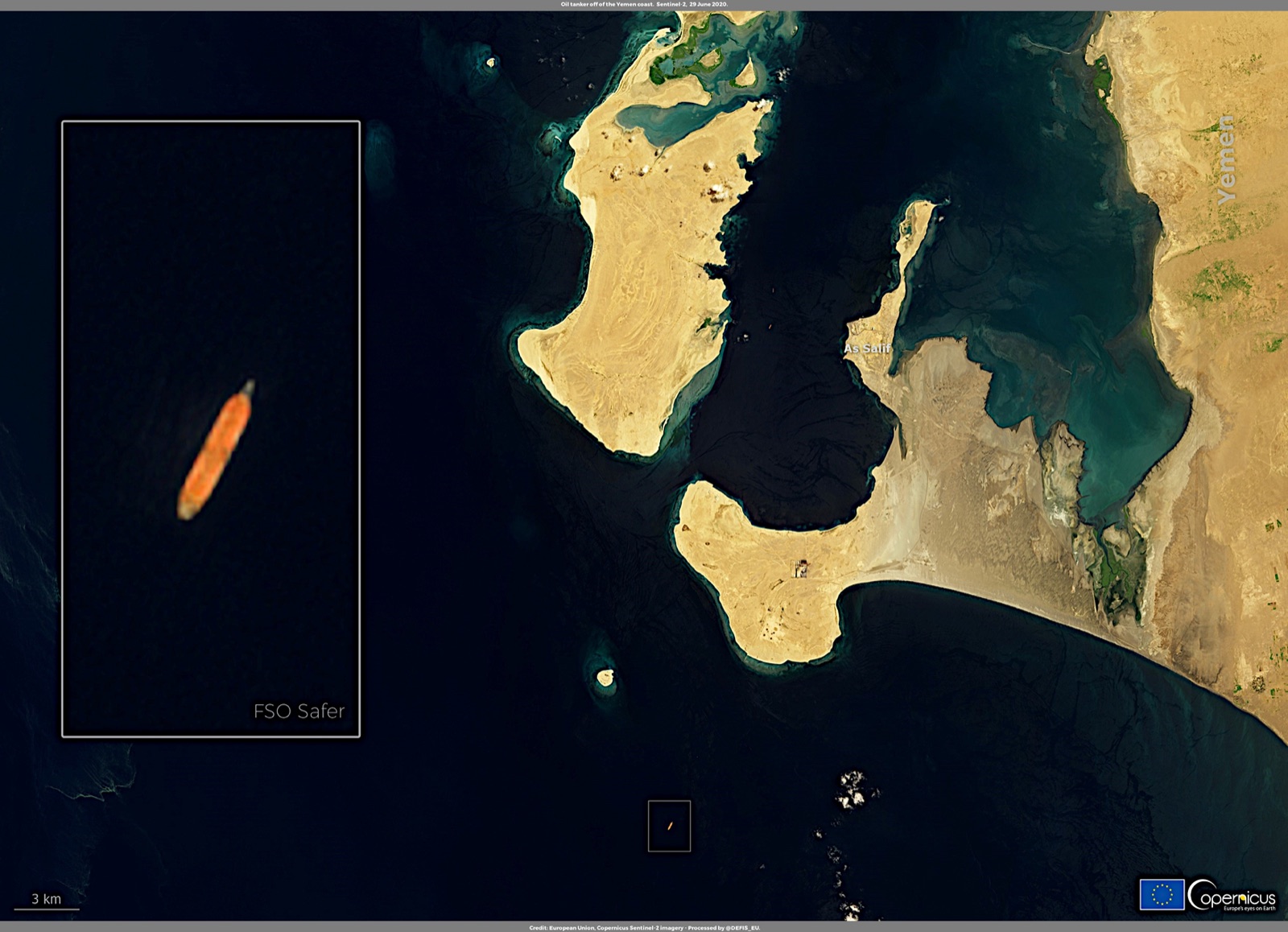
For Indonesia, renewed Israel–Iran strike threats raise supply and citizen-safety risks as the Foreign Ministry monitors hundreds of thousands of Indonesians across the Middle East. With Strait of Hormuz tanker traffic already down 40 percent to 28 vessels carrying 4.18 million barrels daily and Brent crude near $88–92 per barrel, Indonesia faces sustained pressure on the Rupiah at Rp18,203 per dollar and its Rp415.8 trillion subsidy bill shielding Rp10,000 Pertalite.