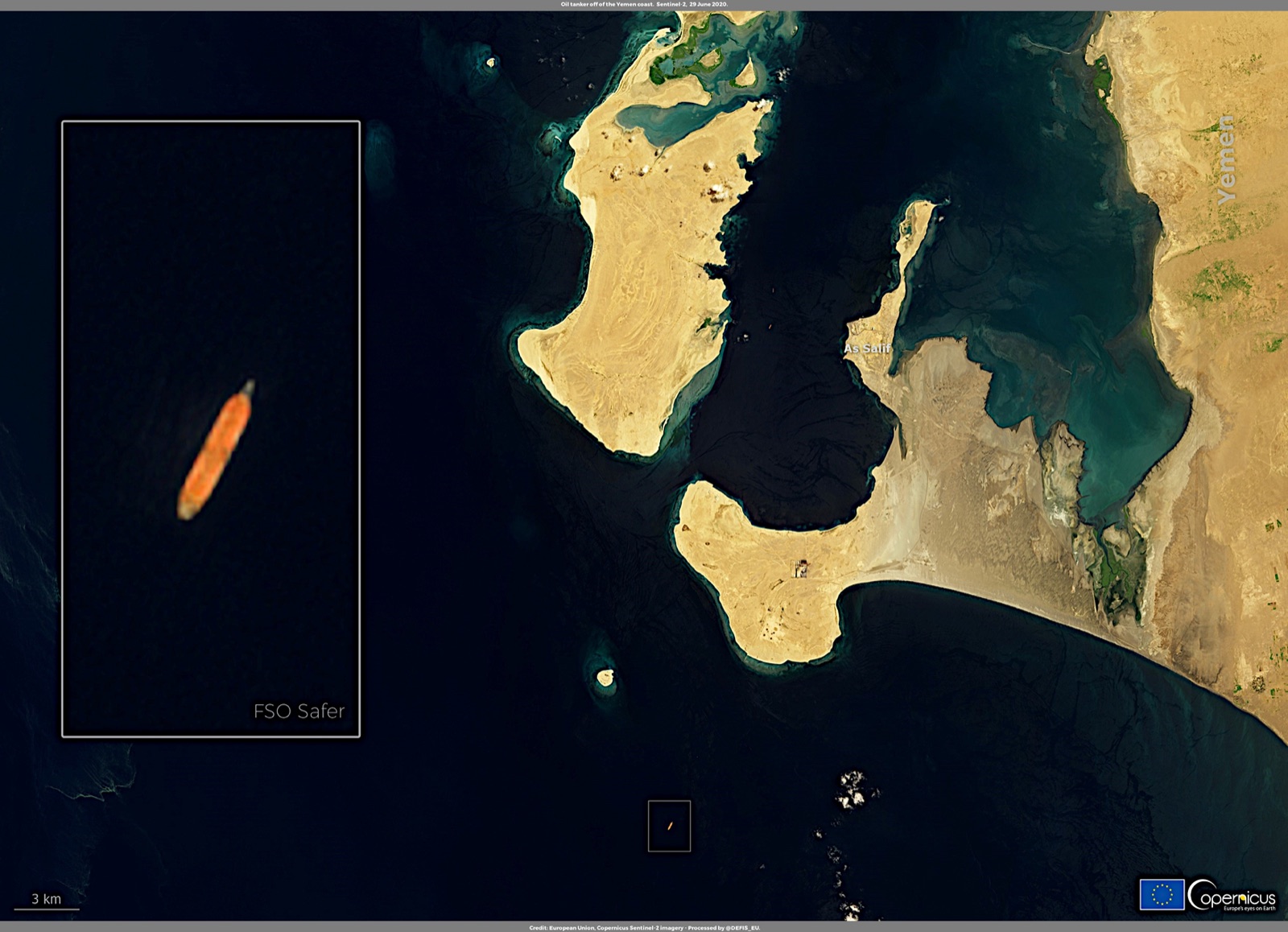
HODEIDAHThe Saudi-led military coalition struck operational capabilities at Yemen's Houthi-controlled Red Sea port of Hodeidah alongside targets in Saada and Amran governorates early Wednesday, November 25, 2026. The airstrikes followed an ultimatum from Houthi military spokesperson Yahya Saree warning the group would hit Jeddah and all Saudi Red Sea ports if Hodeidah were attacked.
Why did Saudi-led forces strike Hodeidah and northern Yemen?
Tensions escalated sharply after Saree urged port staff and nearby residents in Saudi Arabia to evacuate immediately and called on shipping companies to withdraw vessels. On Tuesday, coalition spokesperson Turki al-Maliki said a Houthi drone struck a tower in Riyadh's business district, injuring 11 people according to Saudi Civil Defense in the second attack on the district within a week.

Al-Maliki condemned the Riyadh drone strike as a cowardly terrorist attack on civilian infrastructure and pledged a firm military response. Fighting between the coalition and the Iran-backed movement has intensified since September, when Houthi forces advanced toward the strategic Bab el-Mandeb Strait and stepped up missile and drone strikes against Saudi airports, ports, and oil facilities.
How many casualties has Yemen's renewed conflict caused since July?
On the ground in southwestern Yemen, at least 26 people—14 civilians and 12 Houthi fighters—were killed in an airstrike on vehicles in Lahj province on Monday, November 23, as a truck and bus passed near front-line positions. Separately on Monday, the Houthi telecommunications ministry reported another strike in Hodeidah province killed 17 people and destroyed buildings, as the Houthis and Yemeni government forces traded blame.
Yemen was pulled back into the wider United States–Iran regional conflict in July 2026 after a fragile truce between the Houthis and the Saudi-backed government collapsed. According to recent United Nations figures, renewed clashes since July have killed more than 1,600 people and displaced over 300,000 residents across the war-battered country.

How does Red Sea shipping risk affect Indonesia's Rupiah and fuel?
For Indonesia, threats across the Red Sea and Bab el-Mandeb shipping lanes compound supply risks while Strait of Hormuz tanker traffic fell 40 percent to 28 vessels carrying 4.18 million barrels daily. With Brent crude holding around $88–92 per barrel after peaking near $115–116 and the Rupiah weakening to Rp18,203 per US dollar on Tuesday, Indonesia's Finance Ministry reported Indonesia Crude Price averaging $94.4 and budget subsidies reaching Rp415.8 trillion through October to keep subsidized Pertalite at Rp10,000 and diesel at Rp6,800 per liter.