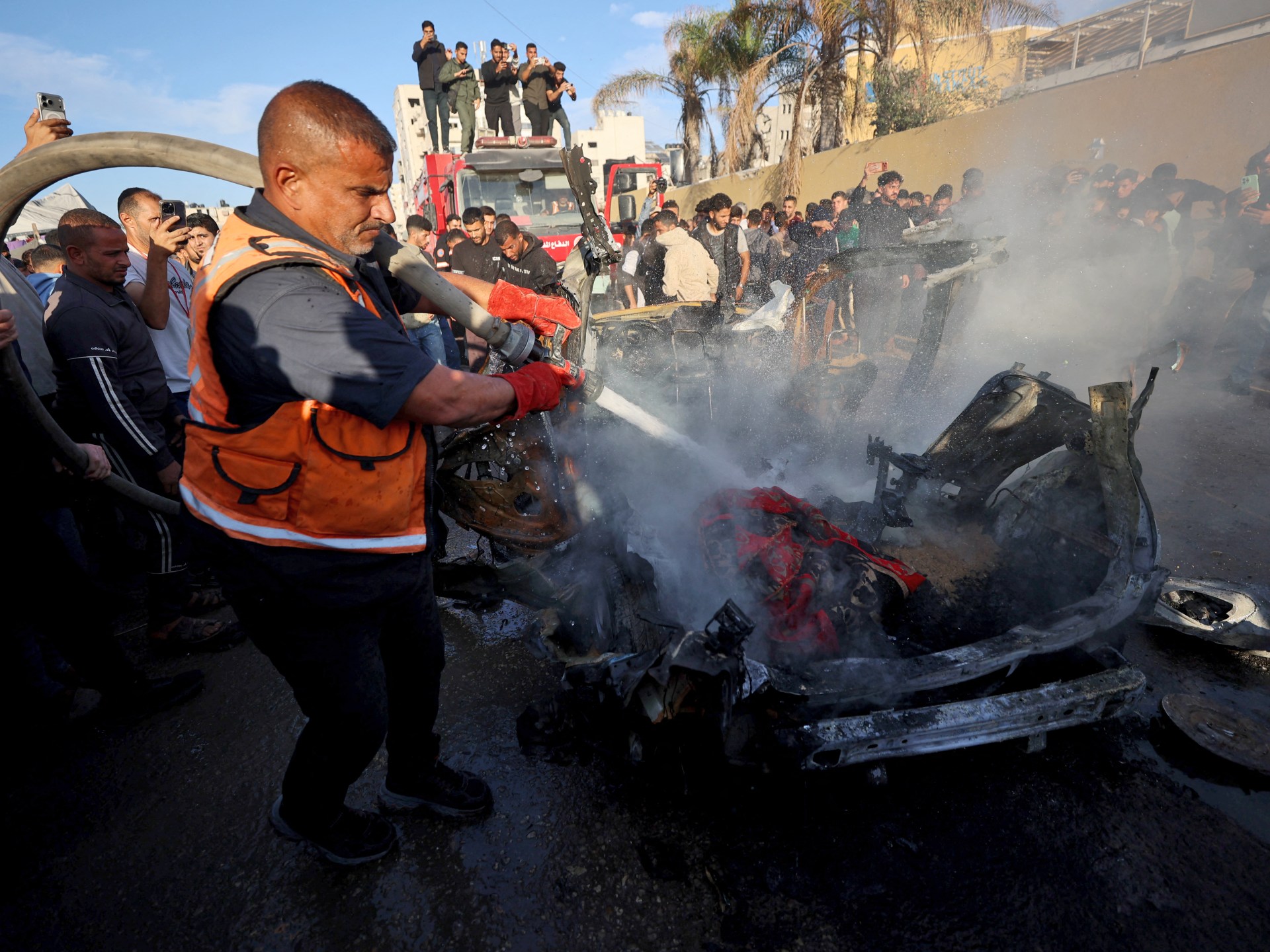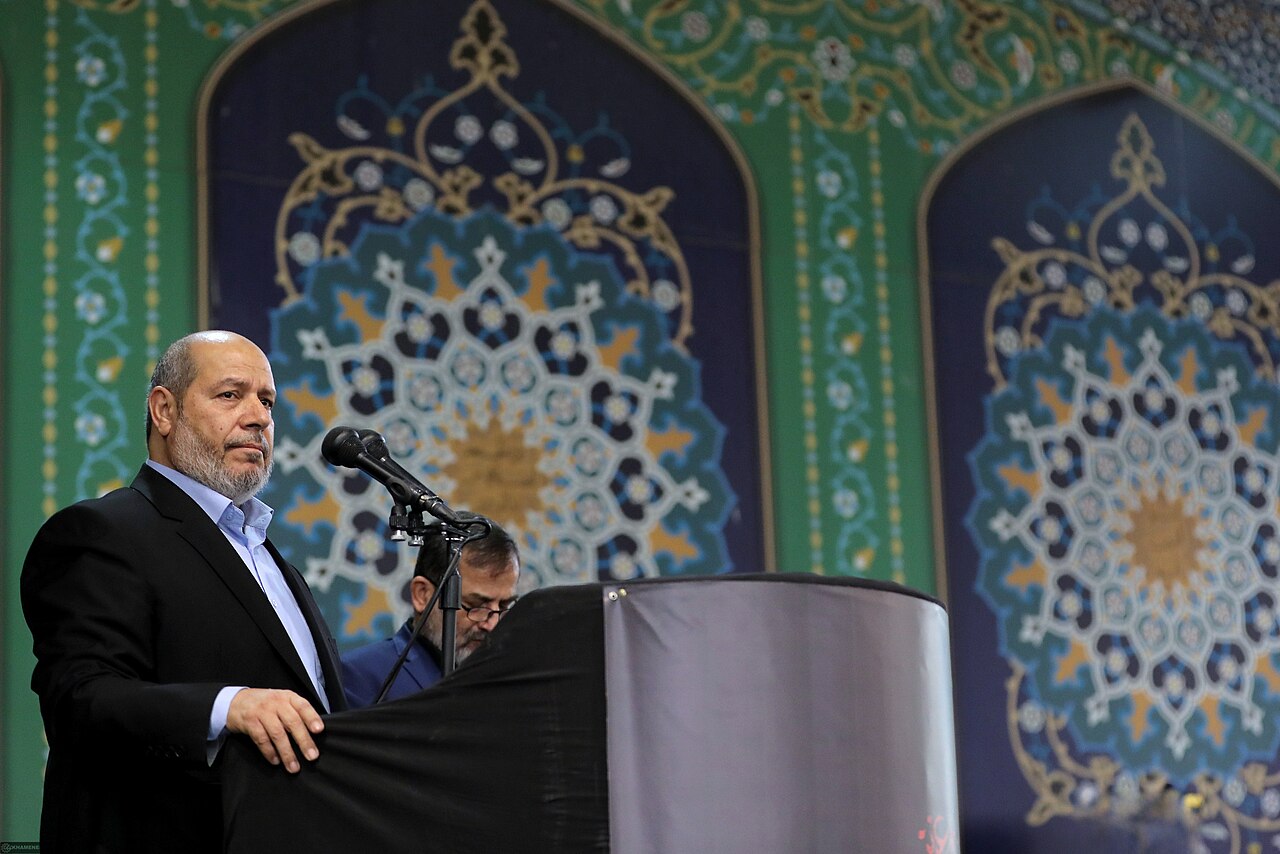
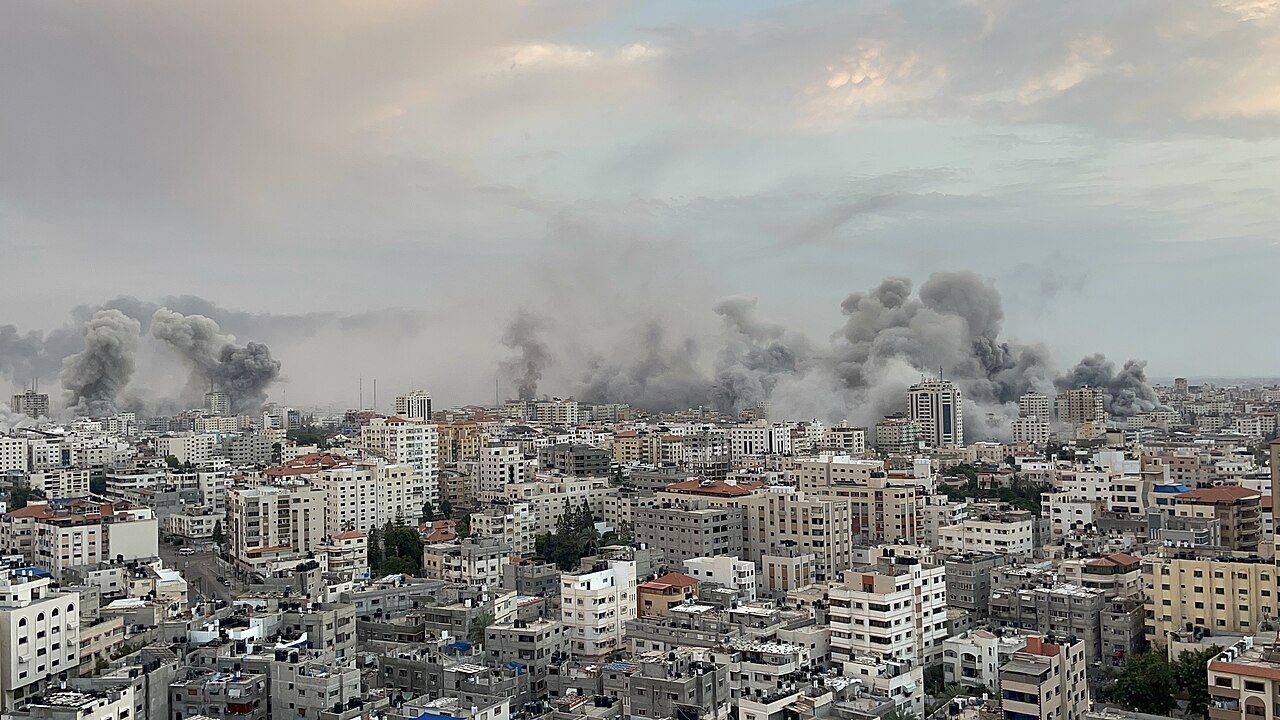
GAZA CITYHamas accused Israel of attempting to assassinate Izzeldeen al-Hayya, the youngest and sole surviving son of Hamas political chief Khalil al-Hayya, in an airstrike on a residential apartment in Gaza City. Senior Hamas official Basem Naim said Izzeldeen, his family, and the family of his late brother Azzam survived the strike in the western neighborhood of Rimal.
Did anyone die in the strike, and how did Israel respond?
Hamas sources told Reuters on Saturday that several people, including Khalil al-Hayya's daughter-in-law, sustained injuries in the blast, though no fatalities were recorded at the apartment. Asked about the strike by AFP, the Israeli military said it was looking into the incident.
In an official statement, Hamas condemned the strike as cowardly state terrorism and linked it to recent threats made against Khalil al-Hayya by Israeli Defense Minister Israel Katz. The group charged Israel with seeking to undermine the Gaza ceasefire that took effect in October 2025 and warned that Israel bears full responsibility for any fallout.

What happened to Khalil al-Hayya's other four sons?
Four of Khalil al-Hayya's other sons were previously killed in Israeli attacks, underscoring the personal toll on the leader appointed to head Hamas in July 2026. Izzeldeen's twin brother Hamam died in Israel's September 2025 strike on Hamas leaders in Doha, Qatar—an attack Khalil al-Hayya himself narrowly survived—while another son died in May and two others were killed before the Gaza war erupted in October 2023.
Separately, Gaza civil defense officials reported seven Palestinians killed across the territory on Friday, including three in a drone strike west of Rafah confirmed by Nasser Hospital and two near Al-Shifa Hospital, where Israel's military said it targeted a militant without damaging medical operations. According to an AFP tally citing Gaza health ministry figures considered reliable by the United Nations, more than 1,650 Palestinians have been killed since the October 2025 truce began.
Why does fresh Gaza violence matter to Indonesia's diplomacy and markets?
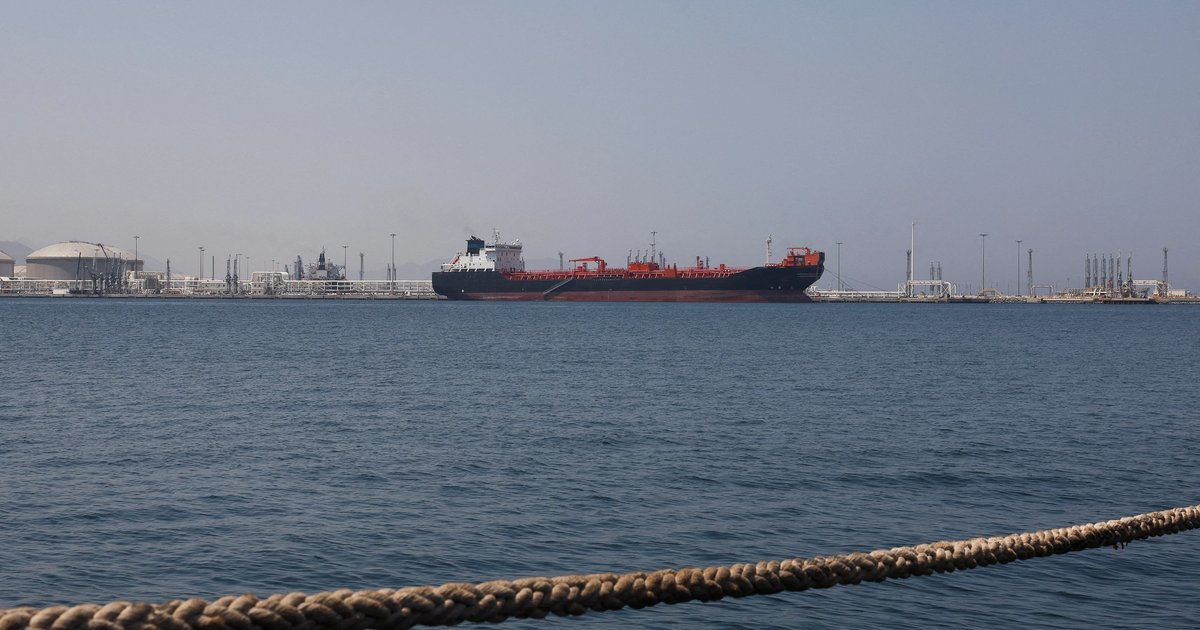
For Indonesia, repeated breaches of the Gaza truce sharpen Jakarta's diplomatic push for verifiable ceasefire compliance, civilian protection, and unhindered humanitarian and reconstruction corridors. At the same time, persistent Middle East instability risks keeping global oil prices elevated near $95–$96 a barrel, reinforcing imported fuel cost pressures and currency caution for Indonesian markets.