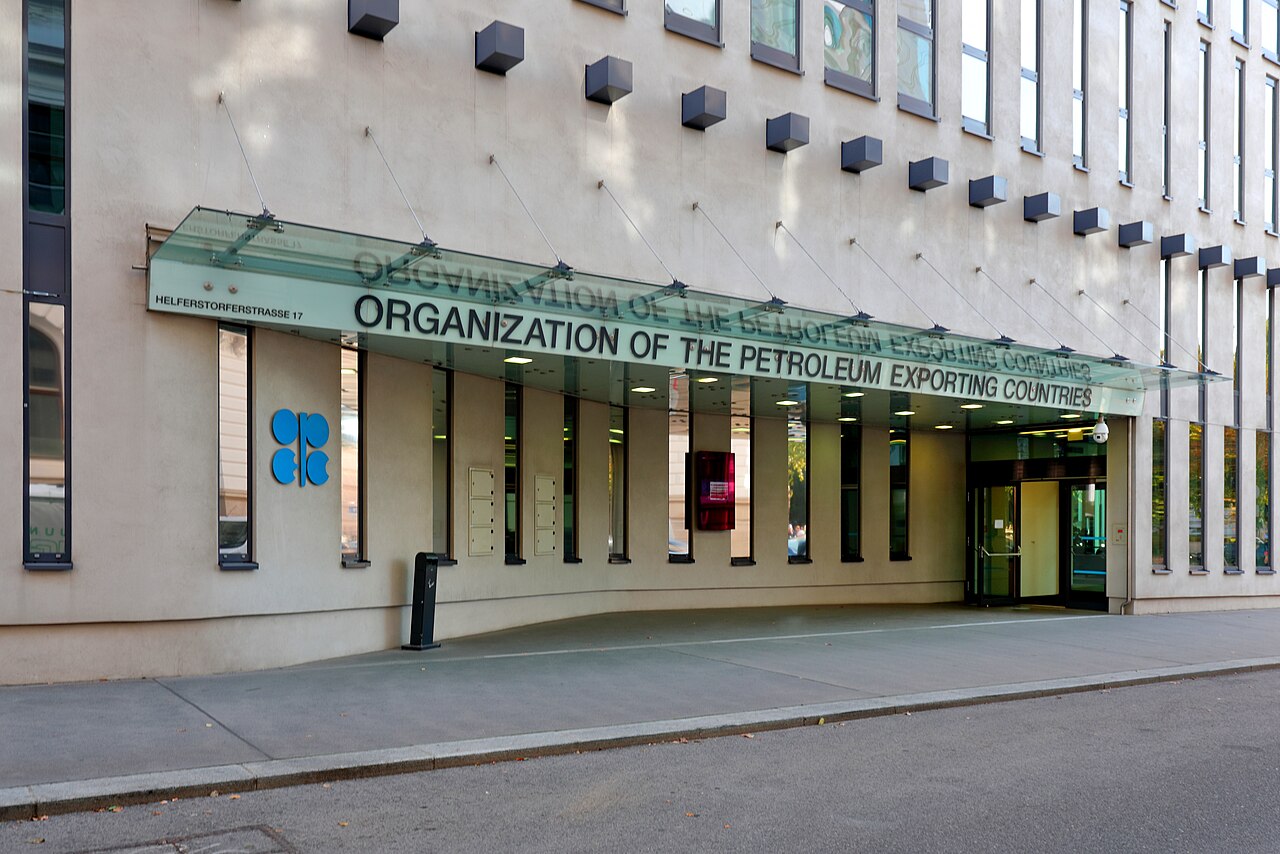
VIENNAOPEC+ has reached a preliminary agreement to leave oil production targets unchanged through the first quarter of 2027 ahead of Sunday's ministerial meeting, as uncertainty over the Iran war complicates supply planning. The coalition, which pairs OPEC members with allies led by Russia, is also navigating sharp internal disagreements over baseline production capacity.
Where do Brent and WTI prices stand before Sunday's OPEC+ talks?
Global crude benchmarks stayed elevated heading into the weekend, with Brent trading at $95.44 a barrel on Friday after briefly touching $96.60—its highest intraday level since November 9—and positioning the benchmark to snap a three-week losing streak. US West Texas Intermediate crude climbed 1.7 percent to $85.14 a barrel following the Thanksgiving break.
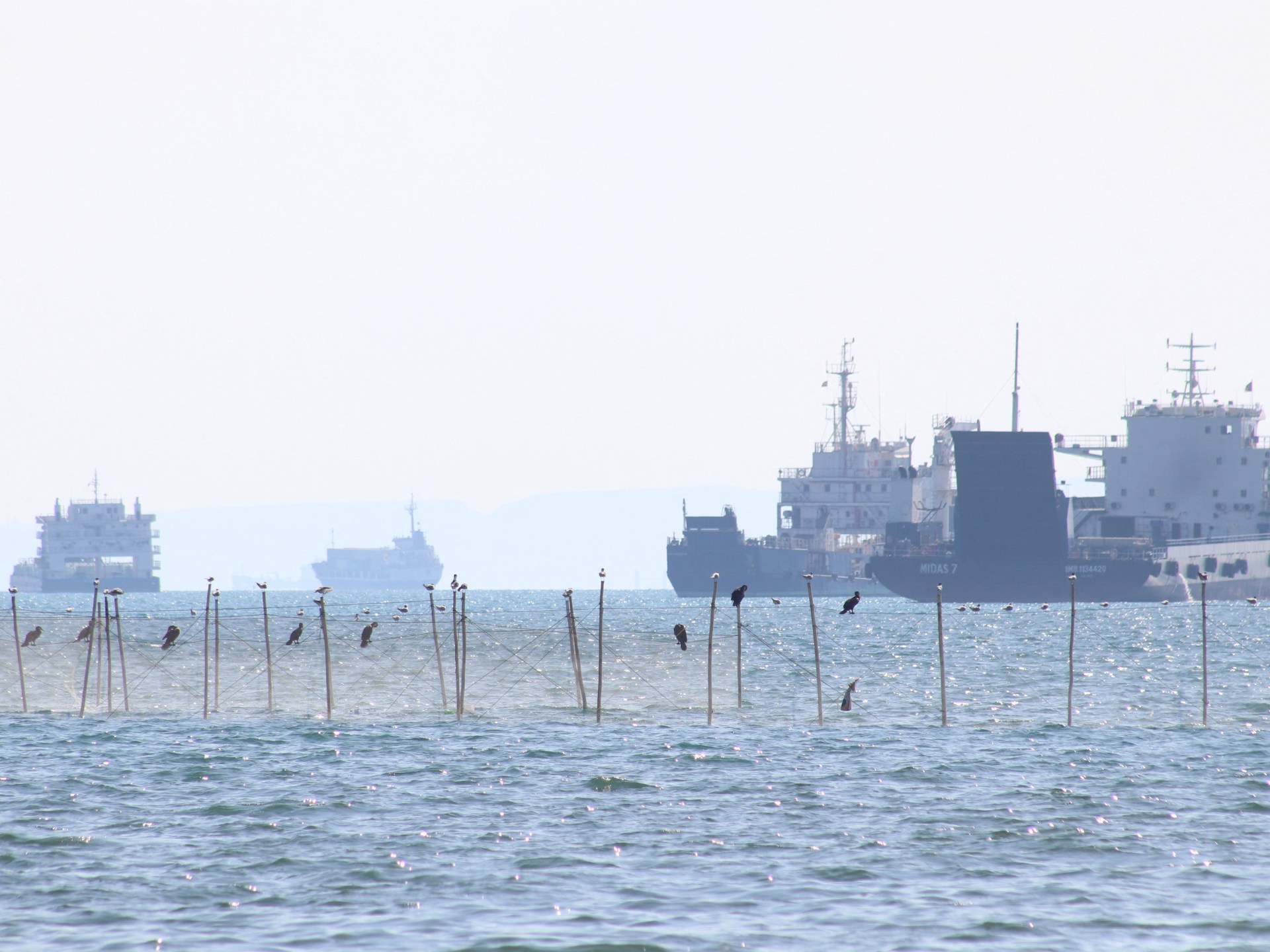
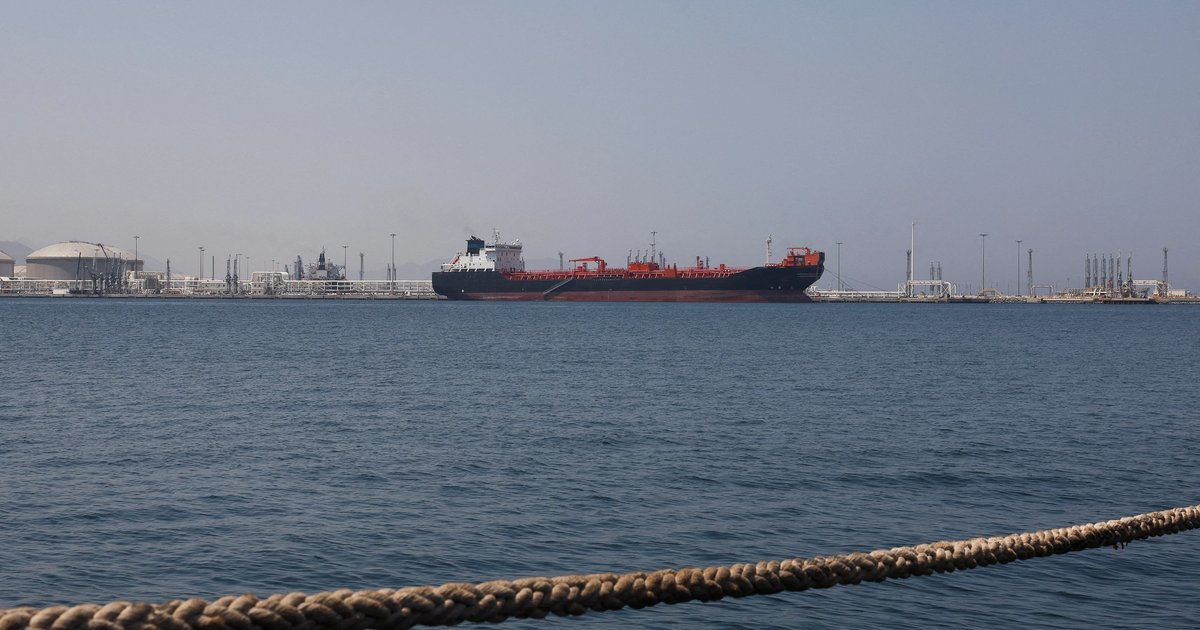
Fresh attacks on tankers traversing the Strait of Hormuz and energy facilities in Saudi Arabia have revived fears of tighter Middle East exports. Saudi Arabia's Energy Ministry confirmed that Saudi Aramco partially halted operations at its Jazan refinery after a projectile strike killed a Nepalese worker on Thursday, one day after an attack targeted the Ras Tanura export hub.

How much Persian Gulf oil supply has the war erased?
Rapidan Energy Group expects ministers to formally roll over current quotas on Sunday, while ANZ analysts warn Brent could still test $100 a barrel if deliverable supply tightens further. The International Energy Agency estimated last week that the conflict has already erased 2.8 billion barrels of cumulative Persian Gulf output, though Rystad Energy still projects a roughly 5-million-barrel-per-day global surplus in 2027 even under a partial recovery.
Internal cohesion inside OPEC+ is also strained after the United Arab Emirates exited both OPEC and OPEC+ earlier this year and Angola departed in early 2024. Iraqi Oil Minister Basim Mohammed Khudair warned Baghdad could quit OPEC unless its preliminary 4.9-million-barrel-per-day capacity assessment is raised, while Kazakhstan seeks a higher estimate and Russian Deputy Prime Minister Alexander Novak said the capacity review will wrap up by year-end; in Tehran, the central bank governor cited tight foreign currency as the dollar exceeded 2.93 million rials on the unofficial market.
What do $96 oil prices mean for Indonesia's fuel budget?
For Indonesia, a net oil and fuel importer, Brent holding near $95 to $96.60 a barrel keeps crude procurement costs well above state budget assumptions and intensifies pressure on energy subsidy and compensation outlays. Although Jakarta has kept subsidized Pertalite at Rp10,000 per liter and Solar at Rp6,800 per liter through December 2026, prolonged Strait of Hormuz risks increase import costs and reinforce currency sensitivity for Indonesian fuel buyers.