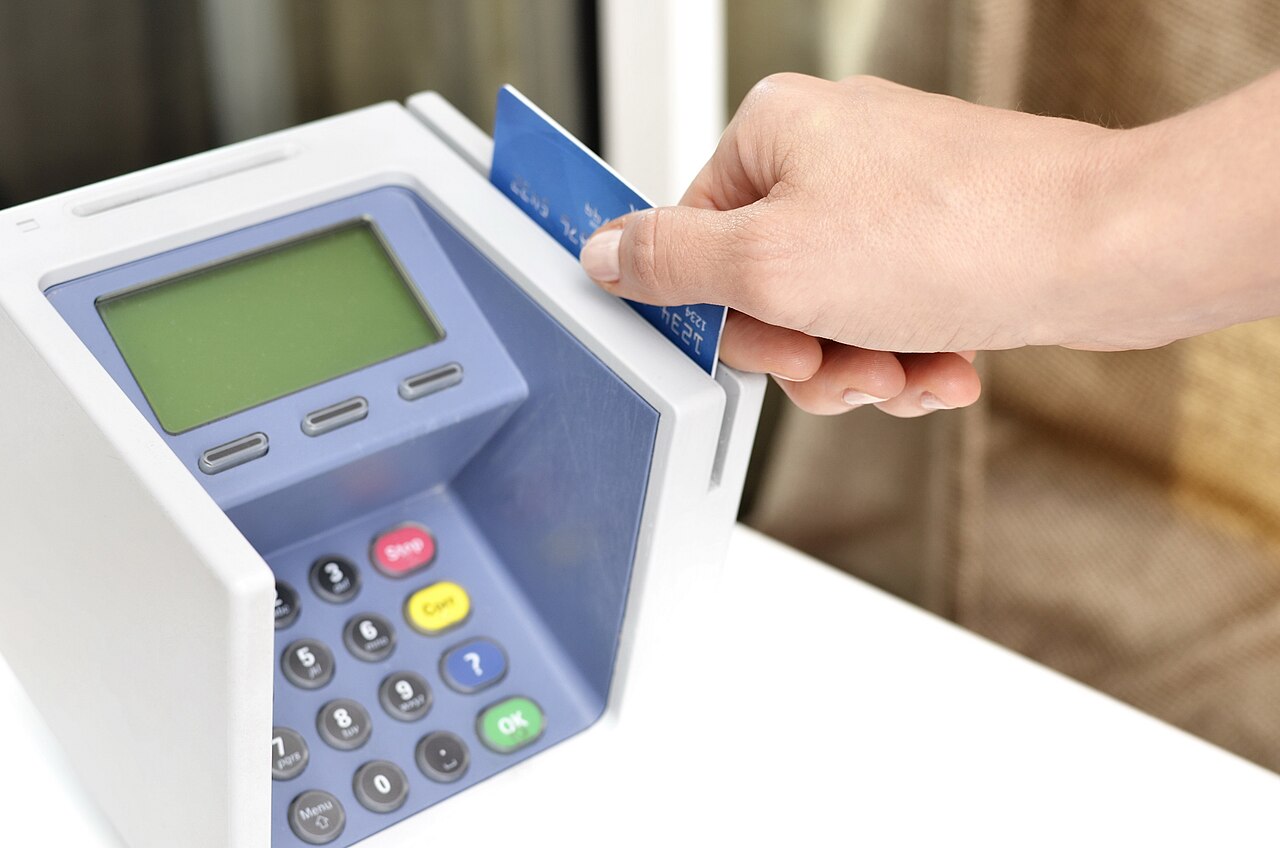
SAO PAULOCybersecurity researchers at Cybernews uncovered a prolonged campaign that compromised 782 Windows-based point-of-sale (POS) terminals across more than 20 countries, stealing data from at least one million credit and debit cards. Detailed by TechRadar Pro and DetikINET, the breach came to light after threat actors left their operational server exposed to public access.
What is the Windows CVE-2024-49138 flaw exploited in the POS hack?
Attackers exploited CVE-2024-49138, a privilege-escalation flaw rated 7.8 out of 10 in the Windows Common Log File System (CLFS) driver across Windows 10, Windows 11, and Windows Server. Although Microsoft issued a security patch in December 2024, retailers left cash register endpoints unpatched for nearly two years, allowing attackers with initial access to seize full system privileges.
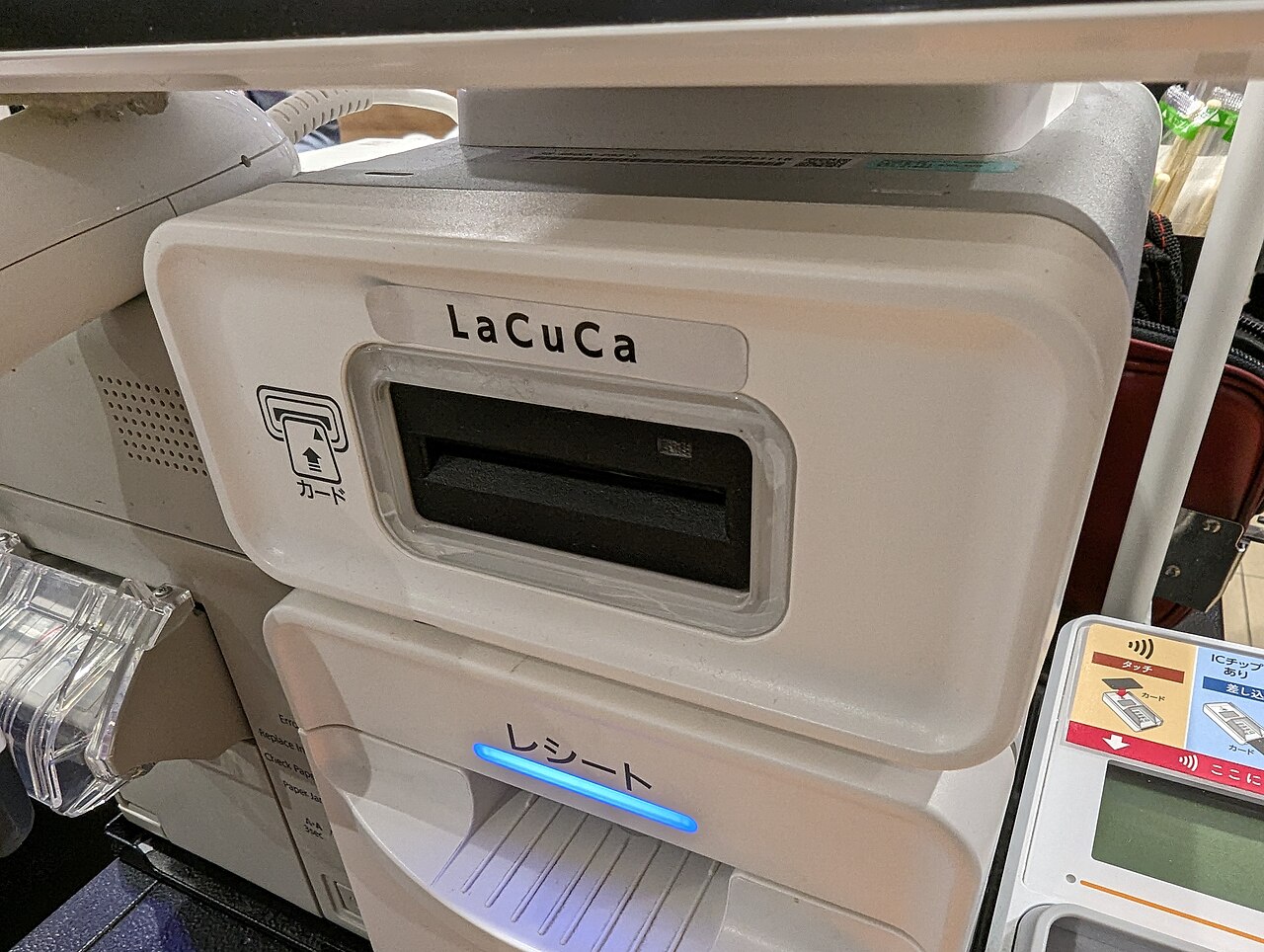
Brazil accounted for 677 of the 782 infected POS systems, alongside 22 endpoints in the United States and 8 in Russia, TechRadar Pro reported. Threat actors deployed a Remote Access Trojan (RAT) infostealer to siphon daily checkout traffic into a carding panel named VINY JUNIOR TRILHAS alongside malware source code and exploit tools.
What payment card details were stolen from compromised POS terminals?
Stolen records from over one million unique cards included Primary Account Numbers (PANs), expiration dates, Bank Identification Numbers (BINs), issuing banks and countries, exfiltration dates, and card brands. The malware also harvested compromised terminals' Windows versions along with city and country locations.

Cybernews reported the operation to Brazil's computer emergency response team (CTIR) on September 8 after the exposed server was locked down on August 31, 2026, warning victims face unauthorized purchases and account takeovers depending on bank fraud controls. Earlier, AIGOS News highlighted similar retail operational risks when UK authorities secretly disconnected thousands of internet-linked store cooling controllers from hackers.
Why does the Windows POS breach matter for Indonesian banks and retailers?
Why it matters for Indonesia: unpatched Windows checkout terminals pose acute risks to Indonesian retailers and card issuers amid relentless targeting of domestic financial networks. As Antara News reported citing BSSN spokesperson Dr. Prabaswari in November 2026, FortiGuard Labs logged 1.6 million cyberattack attempts against Indonesia in 24 hours—including 761,000 targeting banking, finance, and insurance and 386,000 hitting technology—prompting BSSN to mobilize more than 1,000 financial-sector incident responders.