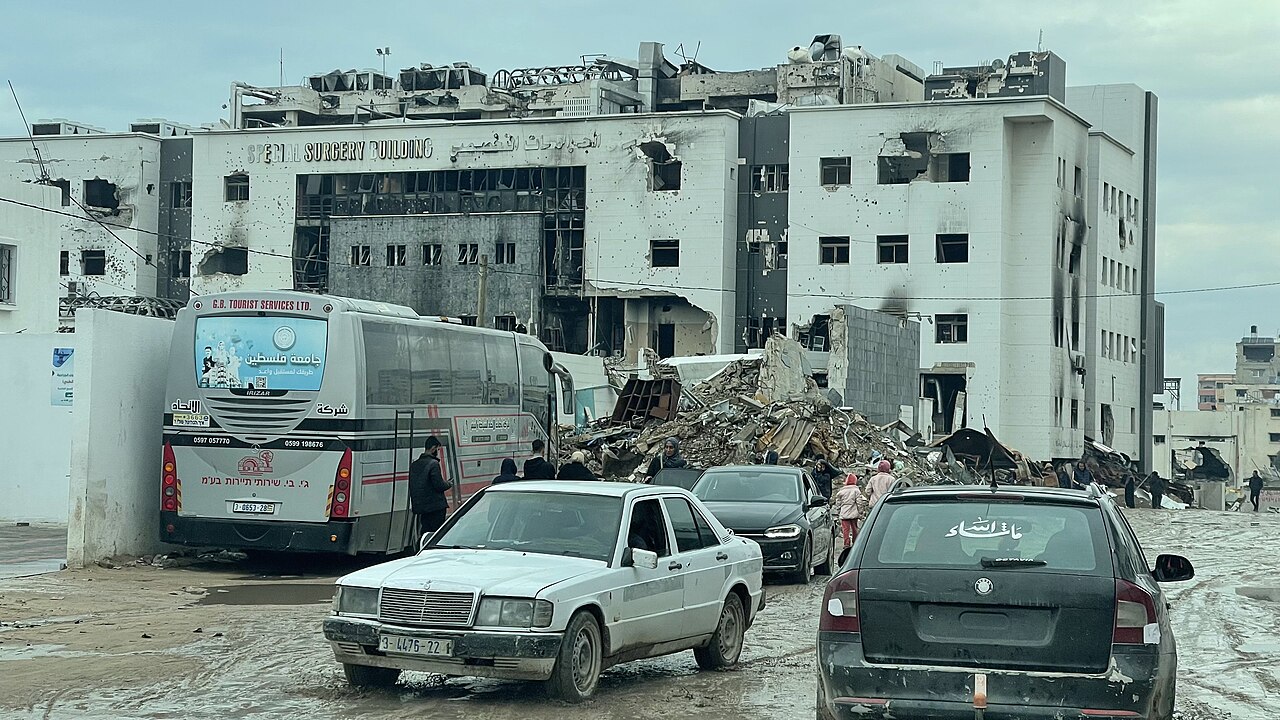
GAZA CITYMore than 99 percent of the Gaza Strip has suffered toxic environmental contamination from Israeli explosives and incendiary weapons after over three years of war, according to a report released on Monday, November 23, 2026, by Oxfam and the Conflict and Environment Observatory (CEOBS). Poisoned water, soil, air, and food supplies now threaten the survival of Gaza's 2.3 million residents across generations.
How did Oxfam document toxic pollution across 99% of Gaza?
Using satellite imagery, remote sensing, and scientific analysis, Oxfam and CEOBS found that bombardment, fires, rubble, and untreated sewage expose civilians to hazardous toxins through everyday air, drinking water, and soil contact. Oxfam international executive director Amitabh Behar described the destruction as environmental war crimes that violate Israel's obligations under international humanitarian and human rights law and require an independent probe.
Oxfam noted that Israel's military campaign has killed more than 74,000 Palestinians overall, including over 1,500 people killed since a US-brokered ceasefire took effect in October 2025. Over the weekend, renewed Israeli drone, artillery, and gunfire attacks killed at least three Palestinians and wounded several others across northern, central, and southern Gaza.
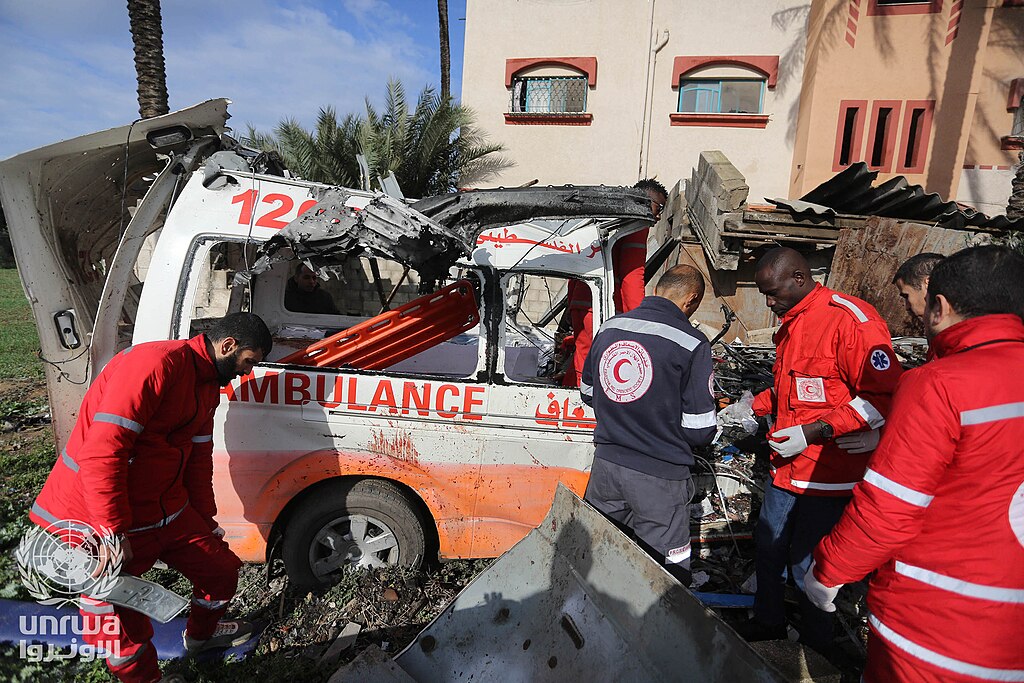
Where did weekend Israeli strikes hit across the Gaza Strip?
Citing Anadolu Agency and Middle East Monitor, CNN Indonesia reported that a 50-year-old man was killed by a drone near Al-Matahin east of Deir al-Balah, while two more died following Saturday night strikes on the Al-Mawasi displacement camp and Al-Maslakh in Khan Younis. Israeli forces also shot a 12-year-old child in the back in central Khan Younis, wounded three civilians near Jabalia, and demolished buildings east of the phase-one yellow deployment line.
Emergency care is simultaneously under siege in the occupied West Bank, where Physicians for Human Rights Israel (PHRI) reported on Monday a 350 percent surge in attacks by Israeli soldiers and settlers on Palestinian health workers between 2022 and 2024. Based on interviews with 25 medics—including a Nablus paramedic blocked from reaching a bleeding patient until he died—report author Imran Anati called it a systematic assault, echoing 233 WHO-recorded healthcare attacks and 165 transport incidents last year.

Why do Gaza's toxic crisis and West Bank medic attacks matter to Indonesia?
For Indonesia, toxic contamination across 99 percent of Gaza and the 350 percent jump in attacks on West Bank medical crews directly heighten operational hazards for Indonesian humanitarian missions, medical relief deliveries, and volunteer hospital networks supporting Palestinian civilians. The findings also reinforce Jakarta's diplomatic focus on enforcing ceasefire compliance, safeguarding emergency medical access, and backing international legal accountability at the International Court of Justice.