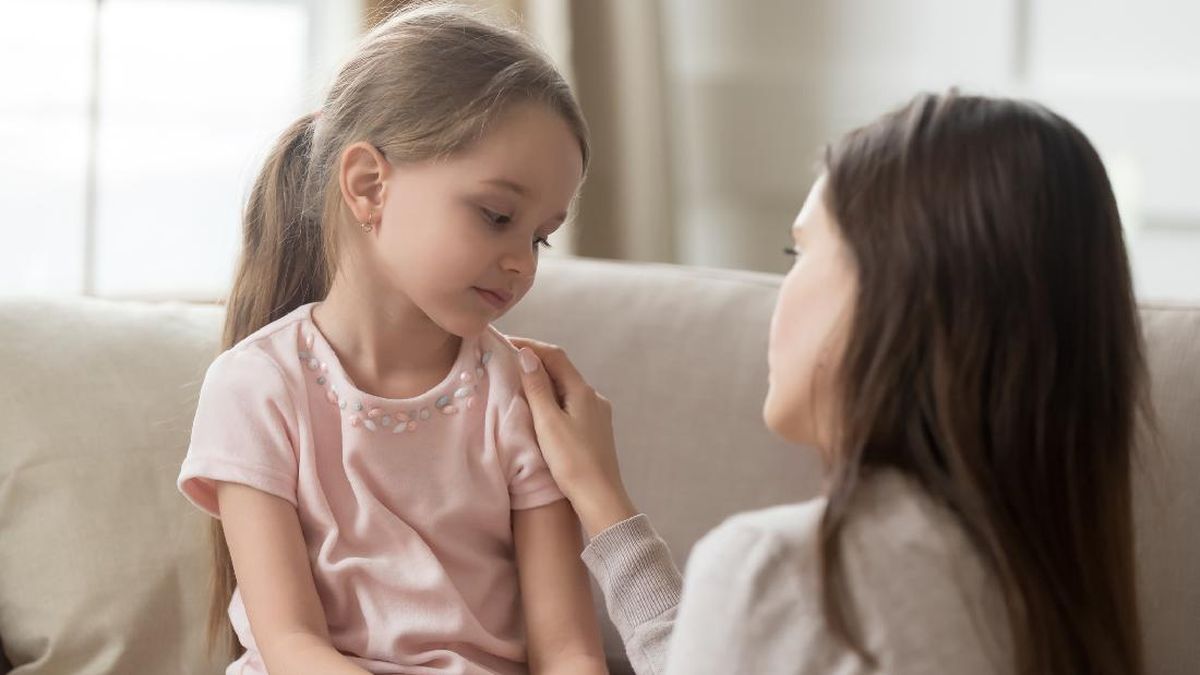
Everyday words and actions can hurt children even when parents intend to teach or discipline them. Comparing a child with a sibling or brushing aside a story may leave the child feeling inadequate or undervalued. When repeated, such treatment can affect a child's confidence and emotional health.
One behavior to avoid is scolding a child in front of others. Parenting resource iMOM advises against discipline that humiliates a child: parents can speak privately or discuss the mistake further once they are home. Comments that question a child's ability can also leave them feeling incapable. Giving children time to try, helping when they struggle and recognizing their effort can offer a different approach.
Favoring one sibling over another can cause jealousy and make a child feel less loved. Parents should avoid using one child's achievements as the measure for another. Work, household duties and phones can also distract parents from listening when a child wants to share something. If that happens repeatedly, a child may feel that what matters to them is unimportant to their parents.
Words spoken in anger can be hurtful when they attack a child's character instead of addressing a specific action. A study published through the Pakistan Journal of Medical Science involving 300 adolescents aged 13 to 17 in Lahore found an association between parental psychological abuse and mental health problems, including anxiety, depression and behavioral difficulties. The finding describes an association; it does not establish that a particular action caused those problems.
Two further behaviors are withholding affection as punishment and refusing to apologize after hurting a child. Parents can still show care after imposing a consequence for behavior. A sincere apology, an acknowledgment that the earlier words were wrong and an effort not to repeat them can also show children what taking responsibility looks like.